
What Vehicles Fit Whiteline KSB729?
The Whiteline KSB729 is designed for the 2005–2014 Ford Mustang S197 platform.
| Years | Make | Model |
|---|---|---|
| 2005–2014 | Ford | Mustang |
Depending on the exact Whiteline application listing and existing suspension hardware, this generation includes Mustang variants such as:
- Mustang V6
- Mustang GT
- Mustang GT500
- Boss 302
- Other S197-based performance models
Fitment Note: Verify compatibility with the vehicle’s existing rear suspension components, aftermarket panhard-bar hardware and chassis modifications before ordering.
For Pro Street’s vehicle database, the primary application should be:
2005–2014 Ford Mustang (S197)
What Does the Whiteline KSB729 Do?
Suspension works by controlling wheel movement relative to the chassis.
That assumes the chassis and suspension mounting points remain stable.
If those mounting areas move or flex under load, some of the forces that should be managed by the springs, dampers and suspension links are instead absorbed by structural movement.
Chassis bracing is designed to reduce that movement.
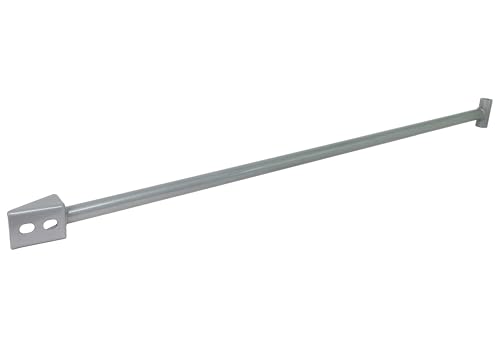
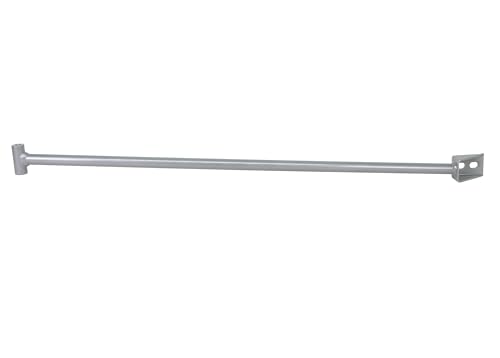
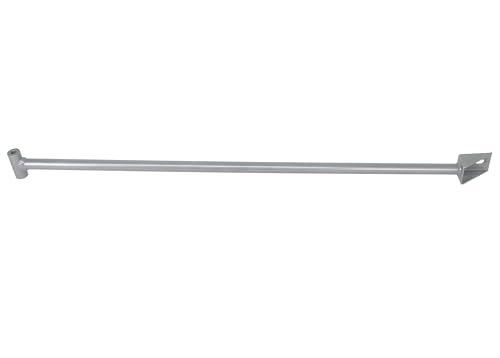
The KSB729 reinforces the rear suspension structure so other components can operate from a more rigid platform.
Potential benefits include:
- Reduced rear chassis flex
- More consistent suspension geometry
- Improved rear suspension response
- More predictable handling
- Better feedback
- Improved suspension consistency under load
The difference becomes increasingly relevant as vehicle grip and suspension loads increase.
Why Chassis Rigidity Matters
Imagine setting a suspension alignment perfectly and then mounting all those carefully adjusted components to something that moves under load.
That’s obviously less than ideal.
When the chassis flexes, suspension geometry can change dynamically.
The vehicle may experience small changes in:
- Suspension position
- Alignment relationships
- Rear axle behavior
- Load transfer
- Steering response
Reducing structural movement gives the suspension a more stable reference point.
This is why chassis bracing often becomes increasingly useful as other performance modifications are added.
The S197 Mustang Rear Suspension
The 2005–2014 Mustang uses a solid rear axle located through suspension links and a lateral locating system.
That architecture is durable and extremely effective for many performance applications, but controlling axle position is critical.
During acceleration and cornering, substantial forces travel through the rear suspension and into the chassis.
This becomes even more significant on Mustangs equipped with:
- Sticky performance tires
- Lowering springs
- Performance shocks
- Larger sway bars
- Upgraded suspension links
- Higher horsepower
- Drag-racing tires
The more grip the tires generate, the more load gets transferred into the suspension mounting structure.
What Is a Track Bar?
A track bar—commonly called a panhard bar in Mustang applications—helps locate the solid rear axle laterally beneath the vehicle.
Without lateral control, the axle could move from side to side relative to the chassis.
The panhard system therefore plays an important role in maintaining rear axle position.
A brace supporting this area helps provide a more rigid mounting foundation.
That’s particularly useful when the vehicle is driven aggressively.
Track Bar Brace vs. Track Bar
These are different components.
Track Bar / Panhard Bar
Controls lateral rear axle position.
Track Bar Brace
Reinforces the chassis structure supporting the lateral-location system.
Replacing the panhard bar can provide adjustability or reduce compliance.
Adding a brace addresses structural rigidity.
The two modifications can therefore complement each other.
Why Lowered Mustangs Benefit From Rear Suspension Tuning
Lowering an S197 Mustang changes the relationship between the chassis and rear axle.
That can alter the angle of the panhard bar and shift the axle laterally.
This is why adjustable panhard bars are commonly used on lowered S197 Mustangs.
A rear brace can complement that setup by strengthening the mounting structure.
If you’re lowering an S197, read Pro Street’s Complete Guide to Lowering Springs for more information about how ride height changes affect suspension geometry.
KSB729 With Lowering Springs
Lowering springs are one of the most popular S197 modifications.
They can improve:
- Appearance
- Center-of-gravity height
- Spring rate
- Body control
But once ride height changes, rear suspension geometry deserves attention.
A well-developed lowered Mustang may use:
Lowering springs
Performance dampers
Adjustable panhard bar
Rear chassis bracing
Proper alignment
rather than simply installing springs and hoping every other suspension component appreciates the surprise.
KSB729 With an Adjustable Panhard Bar
This is one of the most logical combinations.
An adjustable panhard bar allows the rear axle to be properly centered after ride height changes.
The KSB729 reinforces the surrounding suspension structure.
In simplified terms:
Adjustable Panhard Bar = axle-position adjustment
KSB729 Brace = structural reinforcement
Together, they address two different aspects of rear axle control.
KSB729 With a Rear Sway Bar
A rear sway bar and track-bar brace also perform different jobs.
Rear Sway Bar
Controls roll stiffness and affects handling balance.
Track Bar Brace
Reduces unwanted structural movement around rear suspension mounting points.
A performance sway bar can generate additional suspension loads.
Strengthening the surrounding structure can help the upgraded suspension operate more consistently.
Does a Track Bar Brace Reduce Body Roll?
Not directly in the way a larger sway bar does.
The KSB729 doesn’t significantly increase the suspension’s roll spring rate.
Instead, it reduces unwanted structural compliance.
That distinction matters.
If your goal is primarily reducing body roll, look at:
- Springs
- Dampers
- Sway bars
If your goal is making the rear suspension mounting structure more rigid and predictable, chassis bracing becomes relevant.
Does Chassis Bracing Improve Handling?
Potentially, especially on a vehicle being driven near its performance limits.
Reducing structural flex can improve:
- Transitional response
- Rear suspension consistency
- Driver feedback
- Predictability
- Suspension precision
The improvement may be more subtle than installing a dramatically larger sway bar.
But chassis tuning isn’t always about dramatic changes.
Sometimes the goal is simply making the suspension do exactly what you told it to do.
Street Performance
For a street-driven S197 Mustang, the KSB729 can make sense as part of a comprehensive suspension upgrade.
A good street setup might combine:
- Performance tires
- Moderate lowering springs
- Quality dampers
- Adjustable panhard bar
- Sway-bar upgrades
- Rear chassis bracing
The objective should be improving response while retaining enough compliance for real roads.
Pro Street’s Daily Driver Suspension Setup That Actually Works explains why maximum stiffness isn’t necessarily maximum grip.
Drag Racing
Rear suspension control becomes particularly important in drag racing.
Hard launches transfer substantial force through the rear axle and suspension mounting points.
Higher horsepower and sticky tires increase those loads dramatically.
Reducing unwanted movement can help provide more consistent rear suspension behavior.
For a drag-oriented Mustang, chassis bracing can complement:
- Control arms
- Adjustable dampers
- Springs
- Panhard-bar upgrades
- Differential modifications
- Performance tires
The more power you make, the less amusing uncontrolled suspension movement becomes.
Autocross and Track Driving
During cornering, the rear suspension experiences repeated lateral loading.
A more rigid mounting structure helps maintain consistent rear axle location and suspension behavior.
That’s useful during:
- High-speed transitions
- Slaloms
- Corner entry
- Mid-corner loading
- Direction changes
Consistency is valuable because predictable handling allows the driver to build confidence.
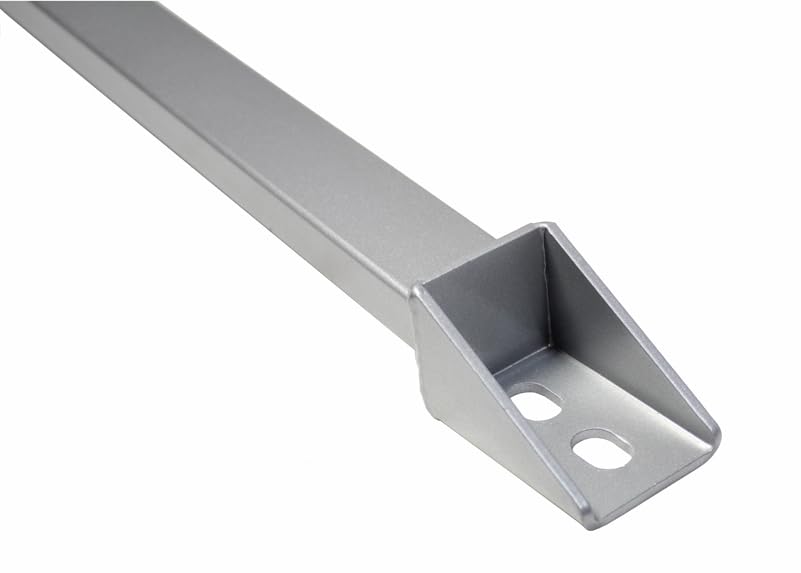
Premium Polished Alloy Construction
Whiteline manufactures the KSB729 using premium alloy material.
The polished finish provides corrosion resistance while also giving the brace a high-quality appearance.
Granted, most people won’t regularly crawl underneath your Mustang to admire the rear suspension brace.
But if they do, you’ve apparently found your people.
Installation
Installation will depend on the Mustang’s existing rear suspension configuration.
General considerations include:
- Safely raise and support the vehicle.
- Identify the rear track-bar/panhard mounting structure.
- Inspect the factory mounting points.
- Position the KSB729 according to Whiteline’s instructions.
- Install the supplied hardware.
- Verify clearance with the panhard bar and surrounding components.
- Torque all fasteners to specification.
- Check exhaust and suspension clearance.
- Inspect the installation with the suspension loaded.
- Road-test the vehicle carefully.
Always follow Whiteline’s supplied installation instructions and Ford’s applicable torque specifications.
Inspect the Existing Rear Suspension
Installation is also a good opportunity to inspect:
- Panhard-bar bushings
- Rear control-arm bushings
- Sway-bar links
- Sway-bar bushings
- Shock mounts
- Chassis mounting points
- Rear axle position
A chassis brace won’t repair a destroyed suspension bushing.
Fix worn components first.
Then reinforce the system.
Do You Need an Alignment?
Installing a chassis brace by itself generally doesn’t change front alignment settings such as:
- Camber
- Caster
- Toe
However, if you’re simultaneously changing ride height or installing adjustable rear suspension components, verify rear axle position and have the vehicle aligned appropriately.
On a lowered S197, checking whether the rear axle remains centered beneath the chassis is particularly important.
Who Should Buy the Whiteline KSB729?
The KSB729 makes the most sense for Mustang owners who:
Have modified the rear suspension
Have lowered the vehicle
Use an adjustable panhard bar
Run upgraded sway bars
Drive aggressively on street or track
Drag race the vehicle
Want greater rear chassis rigidity
It can also be useful when building the suspension as a complete system rather than replacing isolated components.
Is the Whiteline KSB729 Worth It?
For a compatible 2005–2014 Ford Mustang, the Whiteline KSB729 Rear Suspension Track Bar Brace provides additional structural support to an important area of the S197’s rear suspension.
Its primary benefits include:
Reduced chassis flex
More stable rear suspension mounting
Improved suspension consistency
Premium alloy construction
Compatibility with performance-oriented suspension builds
It isn’t going to produce the dramatic handling change of installing springs or a larger sway bar by itself.
That’s not its purpose.
The KSB729 is about giving those other suspension components a more rigid foundation from which to work.
Because there’s little point spending thousands of dollars optimizing spring rates, dampers and suspension geometry if the mounting structure responds with, “Eh, close enough.”
Shop Mustang suspension, chassis and performance components through Pro Street Online.








There are no reviews yet.