
Passenger Compartment Air Filters: Why They Matter, How They Work, and When to Replace Them | Pro Street Online
Passenger compartment air filters — also known as cabin air filters, HVAC filters, or interior microfilters — are among the most overlooked maintenance items on any vehicle. Most people obsess over oil changes and engine air filters while completely ignoring the filter that they actually breathe through. At Pro Street Online, we know just how important your cabin air quality is, whether you daily a Nissan Versa, commute in a BMW X5, or shuttle the kids around in a Chevy Suburban.
Modern vehicles rely on passenger compartment air filters to trap dust, pollen, soot, road debris, mold spores, and even harmful airborne pollutants before they enter the cabin. Many come with activated carbon or HEPA-grade filtration, giving you cleaner air and stronger HVAC performance. If you want your A/C to blow like it’s supposed to — instead of wheezing like it’s in its final semester — replacing your cabin filter is mandatory.
Showing 1–10 of 146 results
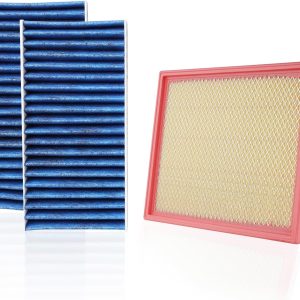
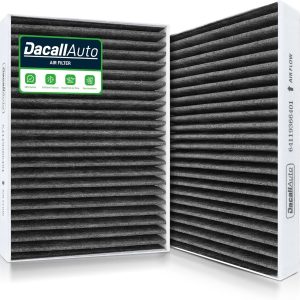
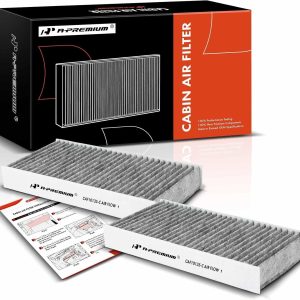
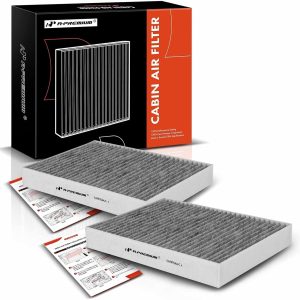
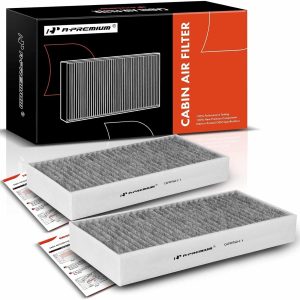
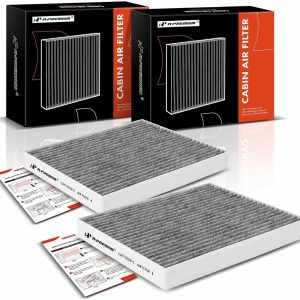
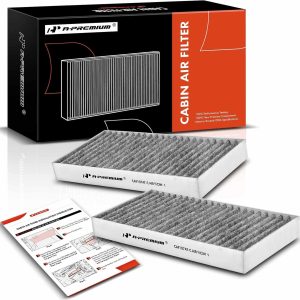
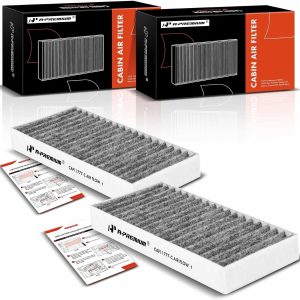
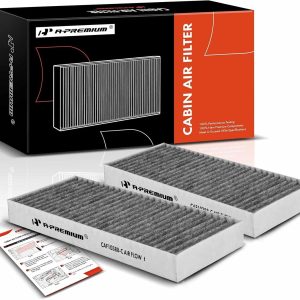
What Does a Passenger Compartment Air Filter Do?
Think of your cabin air filter as your vehicle’s respiratory system. It keeps the air inside your cabin fresh, breathable, and free of contaminants. Without it, you’d be inhaling:
-
Dust and dirt kicked up from the road
-
Allergens like tree pollen and grass particles
-
Exhaust fumes from surrounding vehicles
-
Mold spores and mildew
-
Smoke, odors, and VOCs (volatile organic compounds)
The HVAC system pulls outside air in through the filter before sending it to your vents. A clean filter ensures maximum airflow and interior protection. A clogged filter? That turns your car into a stale, dusty air recirculation chamber.
Types of Passenger Compartment Air Filters
There are three major types commonly sold on ProStreetOnline.com, each suited for different drivers and environments.
1. Standard Particulate Cabin Filters
These use pleated paper or synthetic media to trap dust, debris, and pollen. They’re inexpensive, effective, and perfect for moderate driving conditions.
Best for:
✔ Daily commuters
✔ Low-allergen areas
✔ Budget-friendly maintenance
2. Activated Carbon Cabin Filters
These filters add a carbon layer that absorbs odors and chemical pollutants. Carbon filters help remove exhaust smells, smoke, and urban pollution — something every city driver appreciates.
Best for:
✔ Urban driving
✔ Heavy traffic areas
✔ Vehicles exposed to exhaust fumes
✔ Drivers with sensitive sinuses or allergies
3. HEPA & MERV-Rated Filters
HEPA (High-Efficiency Particulate Air) or high-MERV filters provide medical-grade filtration. They trap particles as small as 0.3 microns — including smoke particulates, bacteria, and ultra-fine dust.
Best for:
✔ Allergy sufferers
✔ High-pollution regions
✔ Families with kids and pets
✔ Luxury vehicles and large SUVs
Why Cabin Air Filter Replacement Matters
A dirty cabin air filter doesn’t just smell bad — it affects your entire HVAC system.
1. Improved Airflow & HVAC Performance
A clogged filter restricts airflow, forcing the blower motor to work harder. This causes:
-
Weak A/C performance
-
Slower cooling
-
Poor heater output
-
Foggy windows and slow defogging
Replacing the filter can immediately restore airflow.
2. Cleaner Cabin Environment
A fresh filter stops allergens, dust, and odors before they reach your nose. Anyone with allergies or asthma knows what a difference this makes.
3. Protects Expensive HVAC Components
Your A/C system wasn’t designed to choke on 5 years of dust. A dirty cabin filter can lead to:
-
Strain on the blower motor
-
Condensation buildup
-
Musty or moldy smells
-
Reduced cooling performance
Replacing a cabin filter costs pocket change. Replacing a blower motor? That’s “call your mechanic and take a deep breath” expensive.
How Often Should You Replace a Passenger Compartment Air Filter?
Most manufacturers recommend replacing filters every:
12,000–15,000 miles or once per year.
But you should replace it sooner if:
-
Airflow feels weak
-
Cabin smells musty
-
You hear the HVAC fan working harder than usual
-
You drive in dusty or urban environments
-
You experience excess interior dust
If your cabin smells like old gym socks every time you fire up the A/C — congratulations, your filter is long overdue.
Signs Your Cabin Air Filter Is Failing
You may need a replacement if you notice:
-
Persistent odors
-
Weak airflow from vents
-
Increased dust inside the cabin
-
Allergies acting up while driving
-
Fogged windows that never clear
-
HVAC fan noise increasing
Drivers usually don’t notice the gradual decline — until they replace the filter and instantly wonder why they didn’t do it sooner.
Shop Passenger Compartment Air Filters at Pro Street Online
At ProStreetOnline.com, we carry a full catalog of OEM-fit, premium-grade cabin air filters from:
-
A-Premium
-
Bosch
-
PHILTOP
-
ACDelco
-
K&N
-
DNA Motoring
-
And many more
Whether you drive a BMW X7, Honda Accord, Toyota Tacoma, Chevy Impala, Nissan Rogue, Ford Escape, or Infiniti Q50 — we have the exact filter you need.
Each listing includes:
✔ Exact year/make/model fitment
✔ Activated carbon or HEPA filtration details
✔ Installation notes
✔ SEO-optimized product descriptions
✔ Fast, reliable shipping
Clean air isn’t optional — it’s part of your vehicle’s performance. Replace your passenger compartment air filter today and keep your interior fresh, healthy, and running the way it should.
passenger compartment air filters, cabin air filter, interior air filter, HVAC cabin filter, activated carbon cabin filter, HEPA cabin filter, automotive air filtration, car cabin air quality, replace cabin air filter, Pro Street Online cabin filters, vehicle interior filter, car air purification, dust pollen odor filter, car HVAC maintenance, microfilter replacement