
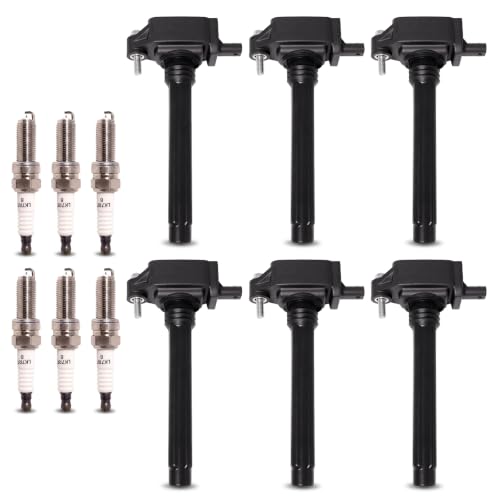

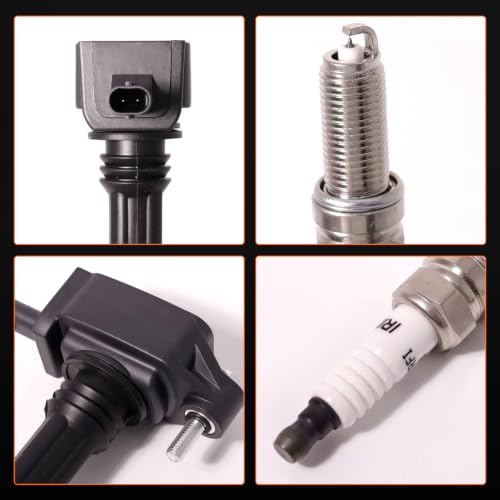
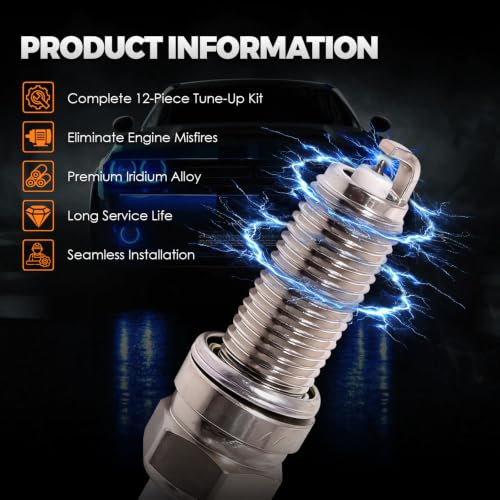
Interchange Numbers
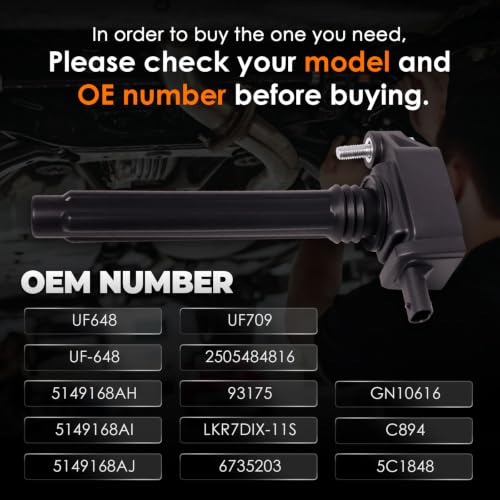
The ignition coils are advertised as replacements for:
- UF648
- UF-648
- UF709
- Mopar 5149168AH
- Mopar 5149168AI
- Mopar 5149168AJ
- Denso 673-5203
- Delphi GN10616
- Standard C894
- 5C1848
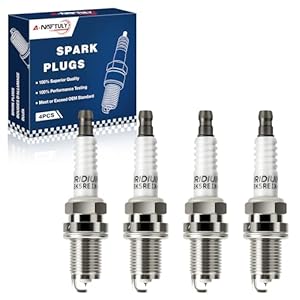
Advertised spark-plug references include:
- NGK 93175
- LKR7DIX-11S
- 97390
Spark-Plug Reference Warning
The supplied interchange information appears to combine different spark-plug designs. NGK 93175/LKR7DIX-11S is an Iridium IX plug, while NGK 97390 is commonly cataloged as a G-Power platinum plug—not the same product.
Do not present 97390 and LKR7DIX-11S as identical replacements without verifying the plug supplied in the box. Confirm:
- Manufacturer and complete part number
- Thread diameter and reach
- Seat design
- Heat range
- Electrode construction
- Factory-specified gap
- Exact year, model and engine application
The words “fits Pentastar” aren’t quite enough engineering data, tempting as that shortcut may be.
Helps Correct Ignition-Related Problems
Replacing worn plugs or failed coils may help address:
- Rough or unstable idle
- Hesitation during acceleration
- Hard starting
- Reduced engine power
- Increased fuel consumption caused by a misfire
- P0300 random/multiple-cylinder misfire
- P0301 through P0306 cylinder-specific misfires
- Ignition-coil circuit trouble codes
- A flashing check-engine light
A P0300 code does not automatically mean all six coils have failed. Fuel-injector problems, intake leaks, wiring faults, low compression and other conditions can produce similar symptoms. Use our P0300 diagnostic guide before replacing parts unnecessarily.
Why Replace the Coils and Plugs Together?
Worn spark plugs develop larger effective gaps and require more voltage to fire. That additional demand can place greater stress on aging coils. Replacing both components together can make sense when the plugs have reached their service interval and multiple original coils are showing age-related deterioration.
That does not mean every coil must automatically be replaced whenever one fails. Test the affected circuit, inspect the coil boot and connector, and check the plug before condemning the entire set.
Installation Notes
Spark-plug access varies by vehicle, and some Pentastar applications require removal of the upper intake manifold to reach the rear cylinder bank. Replace the intake seals when specified by the service procedure.
For installation:
- Allow the engine to cool completely.
- Disconnect the negative battery cable.
- Remove the engine cover and intake components as required.
- Mark and disconnect vacuum lines and electrical connectors.
- Clean debris from around each plug well.
- Inspect for oil, coolant or water contamination.
- Compare every new coil and plug with the removed component.
- Verify the spark-plug part number and gap.
- Start each plug by hand to prevent cross-threading.
- Tighten the plugs and coil fasteners to factory specifications.
- Reassemble the intake system and check for vacuum leaks.
- Clear stored codes and verify normal operation.
NGK recommends installing plugs into clean holes and tightening them to the specified torque or turning angle. Incorrect torque can affect sealing and heat transfer. Review NGK’s spark-plug installation procedure before installation.
NGK also warns that anti-seize changes the relationship between tightening torque and clamping force. Unless the plug manufacturer specifically calls for it, coating plated spark-plug threads can lead to over-tightening. See NGK’s spark-plug installation guidance.
Confirm Fitment Before Ordering
Match the following information before purchasing:
- Vehicle year, make and model
- 3.2L or 3.6L engine
- Engine generation
- Body designation, especially JK versus JL
- Original coil number
- Coil connector and mounting design
- Original spark-plug number
- Vehicle identification number
The Pentastar received application-specific updates over its production run, including revised ignition components on some later vehicles. Matching displacement alone is not enough.






There are no reviews yet.