
Focused LED Placement
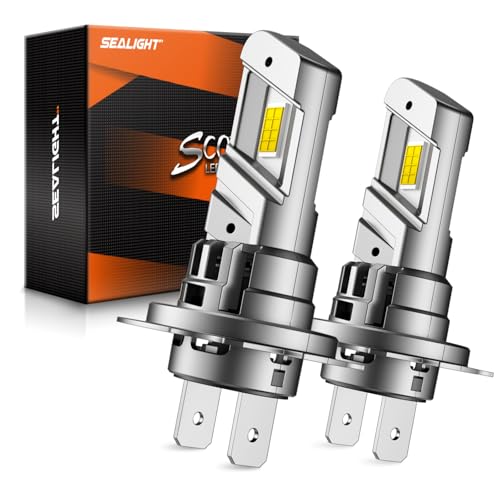
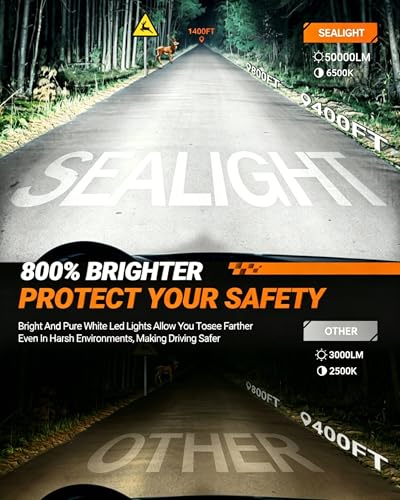
The slim copper substrate positions the LED emitters close together to approximate the location of an H7 halogen filament. Proper emitter placement can help the existing housing produce a more controlled beam, but final performance still depends on the optics of the specific fog-light assembly.
A bright bulb cannot correct a damaged reflector, hazy lens or housing designed for a different light source. Our aftermarket lighting guide explains why beam control and housing condition matter as much as advertised output.
Active Cooling for Heat Management
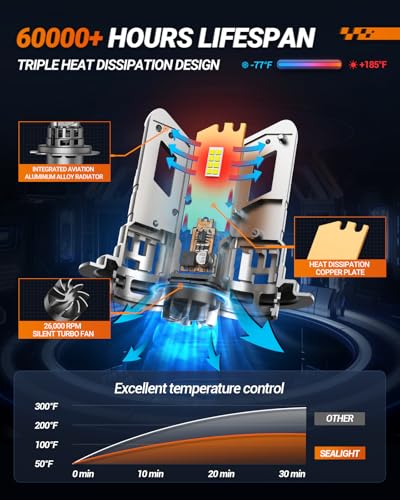
LED chips and their control electronics generate heat that must be removed to maintain consistent operation. These SEALIGHT bulbs use an integrated fan rated by the manufacturer at 22,000 rpm to move heat away from the emitters and driver.
Before installation, verify that the fan housing clears the factory dust cover and surrounding components. The rear of an LED bulb is often larger than the base of the halogen bulb it replaces, even when the manufacturer describes it as a 1:1 design.
Installation
The compact design is intended to provide plug-and-play installation in compatible applications:
- Switch off the lights and allow the existing bulbs to cool.
- Remove the fog-light access panel or liner as required.
- Disconnect and remove the original H7 bulb.
- Compare the connector, locating tab and overall dimensions.
- Install the LED bulb in the correct orientation.
- Reconnect the factory wiring.
- Confirm adequate clearance around the cooling fan.
- Test both bulbs and inspect the resulting beam pattern.
The advertised three-minute installation time may be possible on an easily accessible housing. Vehicles requiring removal of a wheel liner, bumper cover or headlight assembly will naturally take longer—because cars occasionally object to convenient maintenance.
CAN-Bus Compatibility
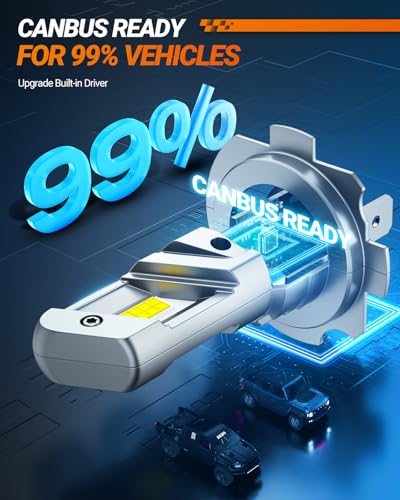
The integrated driver is designed to work with many vehicle electrical systems, but universal compatibility should not be assumed. Some vehicles may still display a bulb-out warning or experience flickering because of pulse-width modulation, circuit monitoring or minimum-load requirements.
Additional decoders or resistors may be necessary on certain applications. Confirm compatibility through the official SEALIGHT Support Center before ordering.
Fitment and Road-Use Notice
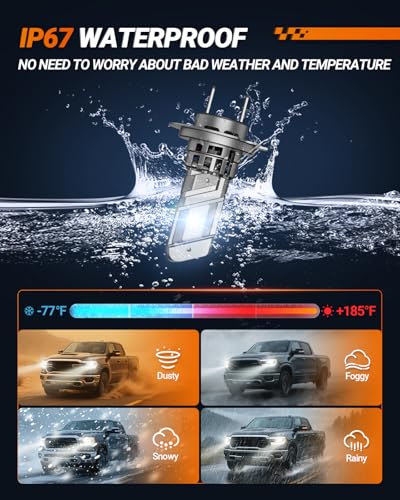
Confirm that the vehicle uses an H7 bulb in the intended fog-light position. An H7 bulb may also appear in a vehicle’s low- or high-beam position, but that does not automatically make an LED replacement compliant for headlight use.
NHTSA states that LEDs may be used in compliant integral-beam headlamps, but LED replaceable light sources are not currently permitted in replaceable-bulb headlamps under FMVSS No. 108.
Use these bulbs only in applications permitted by the vehicle manufacturer and applicable federal, state and local regulations. Do not describe them as DOT approved or street legal unless the exact product and intended installation have documented certification.
For more information about choosing compatible lighting, read How to Upgrade Headlights the Right Way and our LED Headlight Bulb Review.
Why Choose SEALIGHT H7 LED Fog Bulbs?
These bulbs combine cool-white LED output, compact packaging and active cooling in a two-bulb kit. They are suited to buyers seeking an LED fog-light upgrade without separate ballasts or external driver boxes, provided the bulbs fit the intended housing and the finished installation produces an acceptable beam pattern.
Find additional lighting products and automotive upgrades at Pro Street Online.








There are no reviews yet.