
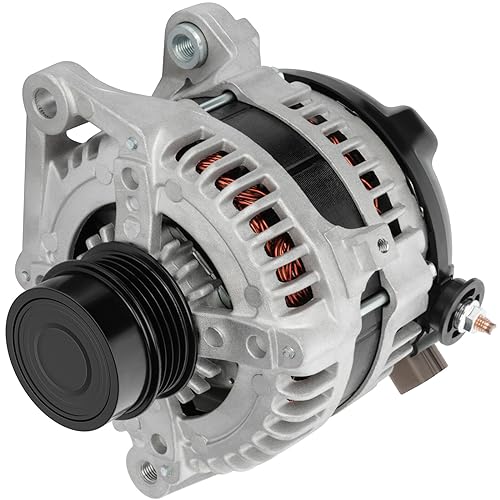
Which Toyota Camry Models Does This Alternator Fit?
According to the supplied SCITOO application information, this replacement alternator fits:
- 2010 Toyota Camry 2.5L four-cylinder
- 2011 Toyota Camry 2.5L four-cylinder
The 2.5-liter Toyota 2AR-FE engine was designed for everyday reliability, but its charging system still depends on a properly functioning alternator.
An incorrect alternator can cause belt alignment problems, electrical connector incompatibility, or improper charging behavior.
SCITOO Alternator OEM Cross-Reference Numbers
The manufacturer lists the following reference numbers:
- 104210-2650
- 1042102650
- 27060-0V060
- 270600V060
- 27060-0V060-84
- 270600V06084
- 11516
These numbers are provided as manufacturer-advertised cross-references, not independent confirmation of interchangeability.
For the best results, compare your existing alternator’s part number with the replacement listing before ordering.
Why Choose a 100-Amp Alternator for Your Toyota Camry?
The alternator serves two important purposes: supplying electricity while the engine runs and replenishing the battery after starting.
Modern vehicles place significant demands on their charging systems. Even a relatively straightforward sedan like the Toyota Camry must supply electrical power to multiple components simultaneously.
These include engine management computers, electronic fuel injectors, ignition coils, electric cooling fans, headlights, entertainment systems, and cabin accessories.
A properly matched 100-amp alternator can support the electrical requirements of compatible factory-equipped vehicles.
However, 100 amps is the alternator’s rated output, not a guarantee of continuous output at idle. Actual electrical production varies with alternator speed, temperature, and operating conditions.
Drivers installing unusually powerful aftermarket audio equipment, additional lighting, or other high-current accessories should calculate their electrical requirements before assuming a stock-replacement alternator will provide enough capacity.
Signs Your Toyota Camry Alternator Is Failing
Alternators typically deteriorate through internal bearing wear, voltage regulator problems, diode failures, or damaged electrical connections.
Some symptoms are easy to recognize. Others resemble battery or wiring problems.
1. Battery Warning Light
An illuminated battery warning light while the engine is running can indicate a charging-system malfunction.
Although the symbol resembles a battery, it does not automatically mean the battery itself is defective.
2. Flickering or Dimming Headlights
If your headlights dim at idle or fluctuate in brightness while driving, unstable electrical output may be responsible.
Poor grounding, loose connections, and battery problems can produce similar symptoms.
3. Repeatedly Dead Battery
A healthy battery can become discharged when the alternator fails to replenish the energy used during starting.
If you repeatedly jump-start your Camry only to find the battery dead again, the charging system deserves attention.
4. Whining or Grinding Noises
Worn alternator bearings can create whining, grinding, or rattling noises that change with engine speed.
A failing pulley or other belt-driven accessory can produce similar sounds.
5. Unusual Electrical Behavior
Voltage instability may contribute to electronic malfunctions, warning lights, or intermittent accessory operation.
Before purchasing replacement parts, learn how to test alternator output with a multimeter. A few electrical measurements can help distinguish a failing alternator from a weak battery or damaged charging cable.
How to Test Your Toyota Camry Alternator Before Replacing It
Replacing a functioning alternator is an expensive way to discover that your real problem was a corroded battery terminal.
A digital multimeter provides a useful starting point.
Step 1: Measure battery voltage with the engine off.
A fully charged conventional 12-volt lead-acid battery typically measures approximately 12.6 volts at rest.
A lower reading may indicate partial discharge or battery deterioration.
Step 2: Start the engine and measure charging voltage.
Many conventional charging systems operate around 13.5–14.8 volts under typical conditions.
However, actual voltage varies with operating conditions and vehicle-specific charging controls.
Step 3: Apply an electrical load.
Switch on the headlights, cabin blower, and rear defroster.
Observe whether the charging system maintains an appropriate voltage.
Step 4: Inspect the electrical connections.
Check the battery terminals, alternator output cable, ground connections, drive belt, and charging-system fuses.
Do not disconnect the battery while the engine is running to test the alternator. This outdated practice can damage vehicle electronics.
For additional troubleshooting information, our car battery and charging-system articles cover common electrical problems that can mimic alternator failure.
SCITOO Alternator Construction and Design
SCITOO advertises several manufacturing and testing features intended to support reliable operation.
CNC-Machined Mounting Surfaces
The manufacturer describes precision-machined castings and measured mounting points designed to support proper installation.
Accurate mounting geometry matters because pulley misalignment can accelerate belt wear and create unnecessary bearing loads.
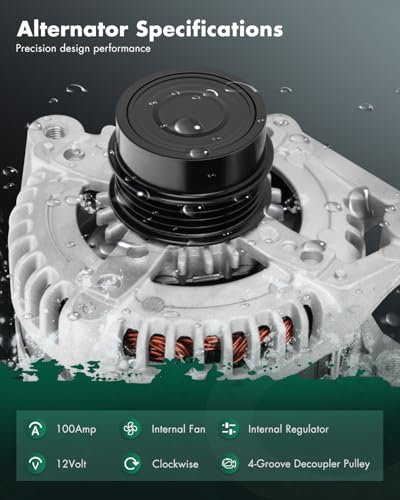
Internally Regulated Charging
The integrated voltage regulator manages alternator output in conjunction with the vehicle’s charging-system requirements.
A malfunctioning regulator can cause undercharging or overcharging, making proper voltage control essential.
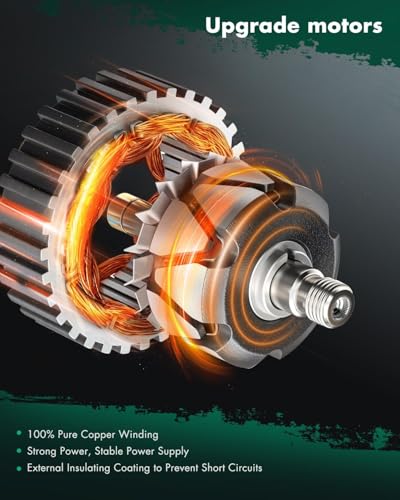
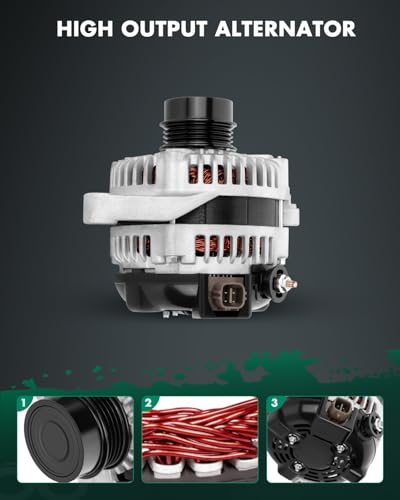
Internal Cooling Fan
The internal fan circulates air through the alternator housing to help dissipate heat.
Excessive heat can shorten the service life of diodes, regulators, bearings, and internal electrical components.
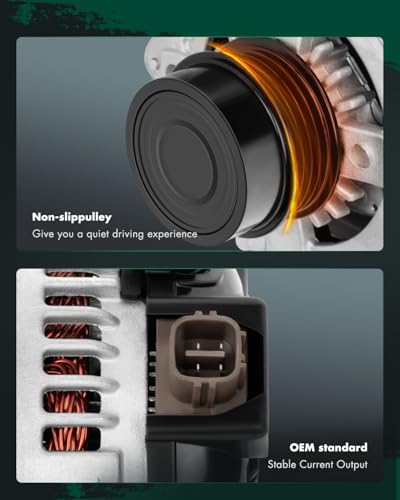
Four-Groove Decoupler Pulley
The advertised four-groove decoupler pulley is designed to work with the appropriate accessory drive system.
A decoupler-style pulley can help manage rotational speed fluctuations and reduce certain belt-drive vibrations.
Confirm the replacement pulley matches the original alternator before installation.
SCITOO also advertises bearing testing and accelerated durability testing. These are manufacturer claims; independently verified test results have not been supplied.
How to Replace the Alternator on a 2010–2011 Toyota Camry 2.5L
Replacing the alternator is a manageable project for experienced DIY mechanics with appropriate tools and access to factory service information.
Exact procedures and torque specifications should be obtained from the correct Toyota repair documentation.
General Replacement Procedure
- Park on a level surface, switch off the ignition, and allow the engine to cool.
- Disconnect the negative battery terminal.
- Locate the alternator and document the accessory belt routing.
- Release belt tension using the appropriate tensioner procedure.
- Disconnect the alternator electrical connector and main output cable.
- Remove the alternator mounting fasteners and original assembly.
- Compare the replacement alternator’s mounting points, electrical connector, and pulley with the original.
- Install the replacement using the specified factory fastener torque values.
- Reinstall the accessory belt and confirm proper alignment and tensioner operation.
- Reconnect the battery and verify charging-system operation.
Installation tip: Do not overtighten the serpentine belt or attempt to adjust tension by forcing the alternator into position. Use the factory-specified belt tensioning system.
If the belt is cracked, contaminated, or excessively worn, consider replacing it during the repair.
Is the SCITOO 100A Alternator Worth Buying?
The SCITOO 100A alternator is worth considering for Camry owners looking for a new aftermarket replacement without automatically paying dealership parts prices.
Its strongest selling points are its advertised vehicle-specific application, 100-amp output rating, integrated regulator, and new construction.
There are also considerations.
The manufacturer-provided specifications do not establish how this alternator compares with Toyota genuine parts or established remanufactured alternatives in long-term reliability testing.
Before buying, verify warranty terms, seller return policies, and exact vehicle compatibility.
For owners maintaining an older Camry on a reasonable budget, the SCITOO unit may provide an attractive alternative when the original alternator has failed.
Frequently Asked Questions
Will this SCITOO alternator fit a 2010 Toyota Camry 2.5L?
According to the supplied manufacturer fitment information, yes. Confirm the original equipment part number and electrical configuration before ordering.
Does this alternator fit a 2011 Toyota Camry?
It is advertised for the 2011 Camry equipped with the 2.5-liter four-cylinder engine. Fitment for other engine configurations is not established by this listing.
Is the SCITOO 100A alternator new or remanufactured?
The manufacturer describes this product as a new replacement alternator.
Can a bad alternator damage a new battery?
Yes. An undercharging alternator can repeatedly discharge the battery, while an overcharging system can damage it through excessive voltage.
Will a 100-amp alternator support an aftermarket stereo?
That depends on the amplifier’s actual current consumption and the vehicle’s other electrical loads. High-power audio systems may require a charging-system upgrade.
Should I replace the battery when replacing the alternator?
Not automatically. Test the battery’s state of charge and health. A battery that has experienced repeated deep discharges may need replacement.
Final Verdict: A Practical Alternator Replacement for the 2010–2011 Camry
The SCITOO 100A Alternator for the 2010–2011 Toyota Camry 2.5L offers a straightforward replacement option for drivers dealing with a failed charging system.
Its advertised 12-volt, 100-amp configuration, internal regulator, internal fan, and four-groove decoupler pulley make it a candidate for compatible Camry applications.
The most important purchasing decision is confirming that the replacement matches your original alternator.
Diagnose the charging problem first, verify the OE cross-reference, and inspect the battery and drive belt before installation.
A properly functioning alternator keeps your Camry’s electrical system operating as intended—and helps prevent an inconvenient roadside breakdown.













There are no reviews yet.