


External Fuel Pump for Custom Performance Builds
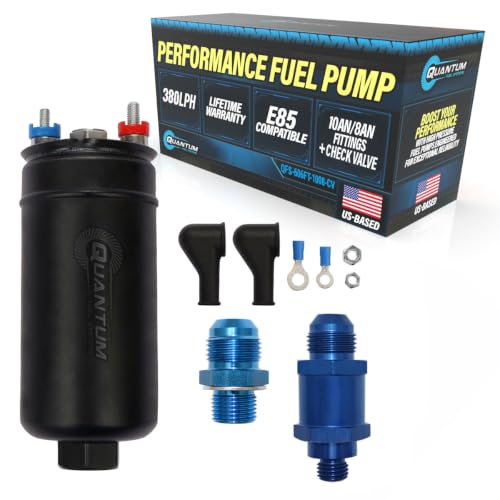
The QFS-606FT-8-8 uses an external inline configuration rather than mounting inside the fuel tank.
External pumps are particularly useful when building a custom fuel system because they allow the pump, filters, regulator and plumbing to be configured around the requirements of the vehicle.
They’re commonly found in:
- Dedicated race cars
- High-horsepower street cars
- Turbocharged builds
- Supercharged vehicles
- Drift cars
- Track vehicles
- Engine swaps
- Custom fuel cells
- Motorsports applications
- Marine performance applications
External mounting can also simplify access for inspection or replacement compared with removing an in-tank pump assembly.
Proper pump positioning remains critical. Fuel pumps are generally much better at pushing fuel than pulling it, so the complete installation should be designed around adequate pump supply and manufacturer mounting recommendations.
-08 AN Fuel Connections
A serious pump deserves something better than tiny factory fuel lines and whatever hose happened to be hiding under the workbench.
The QFS QFS-606FT-8-8 features a -08 AN inlet and -08 AN outlet check-valve fitting, simplifying integration into performance fuel systems already using AN plumbing.
The outlet check valve helps maintain directional fuel flow while providing a clean connection for downstream fuel-system plumbing.
When designing the complete system, make sure the:
Tank/Fuel Cell → Pre-Filter → Pump → Post-Filter → Feed Line → Fuel Rail → Regulator
are appropriately sized for the required flow.
A 380LPH pump attached to restrictive plumbing is still a restrictive fuel system.
E85 Compatible External Fuel Pump
One of the strongest reasons to consider the QFS-606FT-8-8 is its specified E85 compatibility.
E85 is popular in high-boost applications because of its performance characteristics, but converting from gasoline requires more fuel volume and ethanol-compatible components.
If you’re building an ethanol-fueled vehicle, read our How to Convert to E85 guide before selecting the rest of the system.
The QFS pump addresses one major part of that conversion by providing an external pump designed for ethanol use.
But the rest of the system still needs to keep up.
E85 Requires More Than an E85 Fuel Pump
Installing an ethanol-compatible pump doesn’t magically make an entire gasoline fuel system E85-ready.
Fuel hoses, seals, filters, regulators and other components should also be checked for ethanol compatibility.
Our guide to upgrading fuel lines for E85 explains why feed and return plumbing should be evaluated when converting a performance vehicle to ethanol.
This becomes especially important on a 380LPH external system because a restrictive feed line can reduce the benefit of installing a higher-capacity pump.
Methanol and Racing Gas Compatible
QFS also specifies compatibility with methanol and racing gasoline, broadening the QFS-606FT-8-8’s usefulness for dedicated competition vehicles.
That’s particularly valuable when building a fuel system that may operate on different fuels over its lifetime.
Alcohol fuels can be demanding on components not designed for them, so using pumps, lines, filters and regulators specifically rated for the intended fuel helps improve reliability.
Always verify compatibility for every component in the system rather than assuming that because the pump handles methanol or E85, everything downstream will too.
Pair the Pump With Proper Fuel Injectors
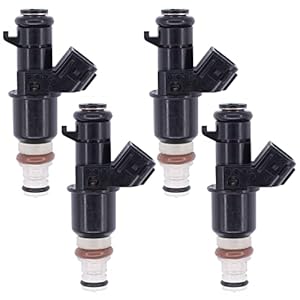
A 380LPH pump only supplies fuel to the rail. The injectors still determine how that fuel enters the engine.
High-output E85 and methanol combinations can require substantially larger injectors than comparable gasoline builds.
Before selecting injectors, read our guide covering fuel injector upgrade benefits.
Injector duty cycle, fuel pressure and expected horsepower should all be considered alongside pump capacity.
For a serious race build, designing the pump and injectors together provides far more useful headroom than buying each component independently.
Ideal for Return-Style Fuel Systems
High-output custom builds frequently use a return-style fuel system with an adjustable regulator.
This arrangement allows the pump to continuously supply fuel while the regulator maintains the required rail pressure and returns excess fuel to the tank.
If you’re deciding how to configure a custom system, our guide comparing returnless versus return fuel systems explains the major differences.
For high-horsepower builds using an external pump, fuel cell and AN plumbing, a properly designed return system can provide straightforward pressure control and tuning flexibility.
Electrical Supply Matters at 380LPH
High-performance electric fuel pumps need a strong electrical supply.
Do not expect a high-output external pump to perform correctly when powered through undersized factory wiring, questionable grounds or an ancient relay that looks like it survived three engine swaps.
Custom wiring is required for the QFS-606FT-8-8.
The installation should include appropriately sized:
- Power wiring
- Ground wiring
- Fuse protection
- High-current relay
- Terminals
- Connections
The included terminal nuts and protective boots help provide a clean electrical connection at the pump.
Voltage should be checked at the pump while the fuel system is operating under load.
Professional Installation Recommended
The QFS-606FT-8-8 is a universal performance component rather than a vehicle-specific replacement pump.
Installation requires planning the fuel-system layout, plumbing, filtration, regulator, electrical supply and pump mounting.
Professional installation is strongly recommended for builders who aren’t experienced with custom high-pressure EFI fuel systems.
Fuel leaks and improvised electrical wiring are two things that should never meet underneath a car. They tend to have creative differences.
Ideal Applications
The QFS 380LPH external E85 fuel pump is designed for demanding custom applications including:
- High-horsepower turbo builds
- Large single-turbo systems
- Twin-turbo engines
- Supercharged vehicles
- E85 race cars
- Methanol-fueled builds
- Racing gasoline applications
- Dedicated drag cars
- Drift cars
- Road-racing vehicles
- Track builds
- Custom engine swaps
- Fuel-cell installations
- Marine performance applications
Why Choose the QFS QFS-606FT-8-8?
The QFS-606FT-8-8 combines 380LPH fuel delivery, external mounting, -08 AN connections and broad performance-fuel compatibility in a package designed specifically for custom high-output applications.
Its support for E85, methanol and racing gasoline makes it especially useful when a conventional gasoline-only in-tank pump is no longer appropriate for the build.
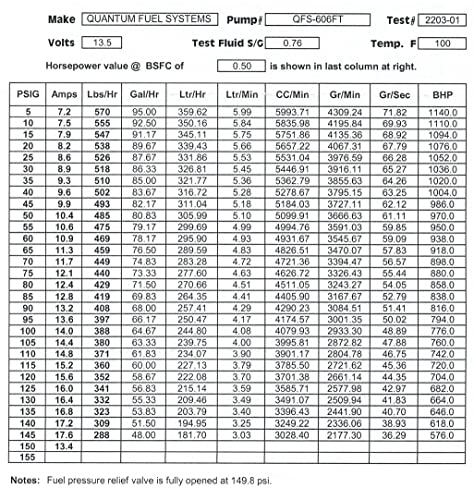
For extreme-power applications, however, don’t treat the advertised 1,200+ HP figure as the entire fuel-system calculation.
Build around actual fuel demand.
Choose the injectors, regulator, filters, feed and return lines, electrical system and pump configuration together. That’s how you build a fuel system capable of supporting serious horsepower instead of one that merely has serious-looking AN fittings.
Product Specifications
Brand: QFS
SKU: QFS-606FT-8-8
Product Type: High-Flow External Electric Fuel Pump
Rated Flow: 380 LPH
Installation Type: External / Inline
Inlet: -08 AN
Outlet: -08 AN with check-valve fitting
Fuel Compatibility: E85, methanol and racing gasoline
Fitment: Universal performance / custom installation
Electrical Installation: Custom wiring required
Included Electrical Hardware: Terminal nuts and protective boots
Applications: Racing, track, drift, high-performance and marine builds
Warranty: Lifetime warranty as specified by QFS
Fitment Note: This is a universal external performance fuel pump requiring custom installation. Verify flow requirements, operating pressure, electrical demand, fuel compatibility, filtration, regulator capacity and plumbing requirements for your specific application.





There are no reviews yet.