
What Does the Ancillary Hose Kit Include?
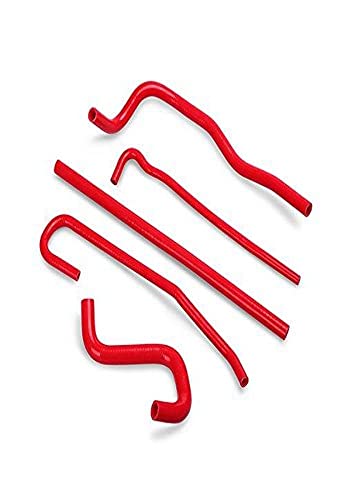
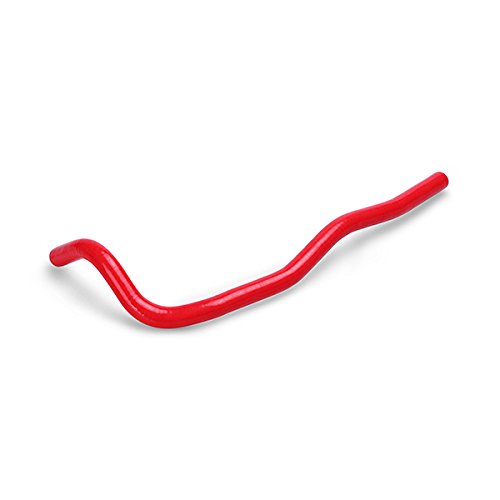
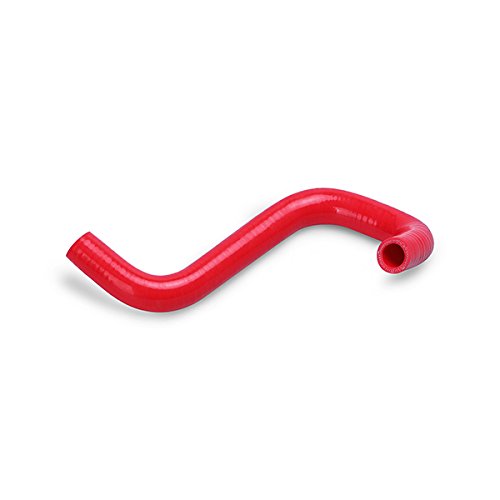
The kit includes five molded silicone hoses:
- Expansion-tank hoses
- Upper heater hose
- Lower heater hose
- Radiator-to-engine vent hose
- Associated secondary coolant connection hose
- Ten worm-gear clamps
Mishimoto’s official MMHOSE-VET-97ANCRD listing confirms five silicone hoses, reinforced construction and direct C5 Corvette fitment.
What This Kit Does Not Include
This is an ancillary hose kit, not a complete radiator-hose replacement package.
It does not include:
- Main upper radiator hose
- Main lower radiator hose
- Radiator
- Expansion tank
- Water pump
- Thermostat
- Heater core
- Coolant
- Replacement spring clamps beyond the supplied worm-gear clamps
Owners replacing the primary radiator hoses will need the separate Mishimoto C5 radiator-hose kit, such as the corresponding MMHOSE-VET-97RD red kit.
Ancillary hoses handle secondary coolant connections that are easy to ignore until one splits behind something difficult to reach. The main hoses get all the attention; the smaller hoses quietly plot the roadside breakdown.
Product Specifications
| Specification | Detail |
|---|---|
| Manufacturer | Mishimoto |
| Part number | MMHOSE-VET-97ANCRD |
| Product type | Ancillary coolant-hose kit |
| Color | Red |
| Material | Reinforced silicone |
| Hose quantity | Five |
| Clamp quantity | Ten |
| Clamp type | Worm gear |
| Maximum temperature | 330°F |
| Fitment | 1997–2004 C5 Corvette |
| Z06 fitment | 2001–2004 |
| Warranty | Mishimoto Lifetime Warranty |
Hose Dimensions
| Hose | Inner diameter | Outer diameter |
|---|---|---|
| Hose 1 | 0.71 in | 1.10 in |
| Hose 2 | 0.35 in | 0.75 in |
| Hose 3 | 0.60 in | 0.98 in |
| Hose 4 | 0.55 in | 0.94 in |
| Hose 5, first end | 0.31 in | 0.71 in |
| Hose 5, second end | 0.24 in | 0.63 in |
The dimensions describe molded hose openings and may vary slightly through bends or connection points. Match each replacement hose with the removed factory hose before installation.
Five-Layer Silicone Construction
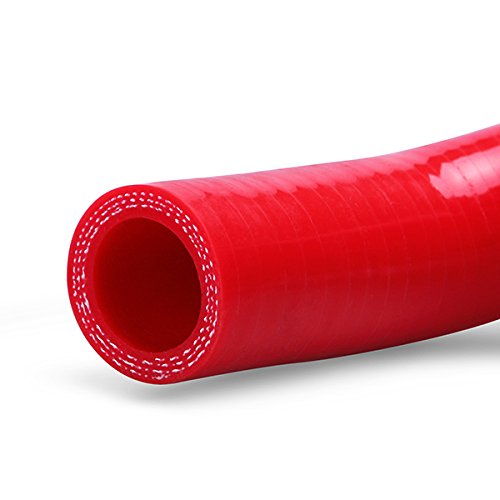
Each Mishimoto hose uses five layers of silicone with heat-resistant embedded fibers. This construction is designed to improve:
- Heat tolerance
- Pressure tolerance
- Resistance to cracking
- Resistance to swelling
- Shape retention
- Long-term engine-bay durability
Factory EPDM rubber hoses can provide long service when maintained correctly, but age, heat, coolant contamination and repeated pressure cycles eventually harden the rubber.
Silicone does not make the cooling system indestructible. A damaged radiator neck, corroded fitting, failed pressure cap or overtightened clamp can still create a leak. The hose may be stronger, but it cannot negotiate with a cracked plastic fitting.
Why Replace C5 Corvette Ancillary Hoses?
The newest C5 Corvette is now more than two decades old. Even a low-mileage car may retain aging hoses that have spent years exposed to:
- Engine heat
- Cooling-system pressure
- Coolant chemicals
- Oil contamination
- Ozone
- Storage cycles
- Clamp compression
- Repeated expansion and contraction
Common signs of deteriorated hoses include:
- Cracks near the fittings
- Bulging sections
- Soft or oil-soaked rubber
- Hardened hose ends
- Coolant crust around clamps
- Sweet coolant odor
- Slow expansion-tank level loss
- Dampness after driving
- Hose collapse during cooldown
Use our step-by-step coolant-leak guide to inspect the complete system before ordering hoses.
Check the Expansion Tank and Fittings
The expansion-tank hoses connect to components that can become brittle with age. Before installation, inspect:
- Expansion-tank necks
- Tank seams
- Pressure cap
- Plastic fittings
- Vent connections
- Hose nipples
- Mounting brackets
- Nearby wiring
Do not force a reinforced silicone hose onto a cracked fitting. The new hose may seal perfectly while the old plastic neck departs the vehicle emotionally and physically.
If the tank or pressure cap cannot hold pressure, replacing the hoses alone will not restore normal cooling-system operation.
Heater-Hose Inspection
The heater hoses carry hot coolant between the engine and heater core. Problems may produce:
- Coolant odor inside the cabin
- Weak heater performance
- Wet passenger carpet
- Fogging windshield
- Coolant loss without an obvious engine-bay puddle
- Overheating combined with cold heater output
Our guide to a car that overheats while the heater blows cold explains how heater performance can reveal low coolant, trapped air or poor circulation.
Inspect the heater-core connections carefully. A silicone hose upgrade does not strengthen the heater-core tubes or firewall fittings attached to it.
Vent-Hose Function
The radiator-to-engine vent hose helps move coolant and trapped air through the system. A damaged, blocked or incorrectly routed vent hose may contribute to:
- Difficult bleeding
- Air pockets
- Temperature fluctuation
- Gurgling
- Unstable expansion-tank level
- Poor coolant recovery
- Localized hot spots
Route the replacement hose exactly like the factory part. Avoid sharp bends, kinks, abrasion and contact with belts or hot exhaust components.
For a complete explanation of coolant circulation and air management, review the Complete Car Cooling System Guide.
Common Cooling-System Symptoms
Ancillary hose failure may cause:
- Coolant puddles
- Sweet odor after driving
- Low-coolant warning
- Steam from the engine compartment
- Engine overheating
- Weak cabin heat
- Dried coolant residue
- Pressure loss
- Temperature fluctuations
Begin diagnosis with Why Is My Car Overheating? before replacing every red, black or blue component visible beneath the hood.
If the Corvette overheats at speed, use Why Does My Car Overheat While Driving? to check coolant volume, circulation, radiator restriction and airflow.
Ancillary Hose or Water-Pump Leak?
Coolant near the front of an LS1 or LS6 engine may come from:
- Ancillary hose
- Main radiator hose
- Water pump
- Thermostat housing
- Radiator
- Expansion tank
- Pressure cap
- Steam or vent connection
Coolant can travel along brackets, hoses and engine surfaces before dripping. Trace the highest fresh wetness rather than replacing whichever component happens to be nearest the puddle.
Our bad thermostat versus bad water pump guide can help separate circulation problems from thermostat faults.
Check the Radiator Before Installation
Inspect the radiator for:
- Cracked end tanks
- Corroded or damaged fins
- Leaking seams
- Blocked airflow
- Bent hose necks
- Internal restriction
- Debris between the radiator and condenser
Review Seven Signs of a Failing Radiator if the C5 still runs hot despite normal coolant level and working fans.
Silicone hoses will tolerate more heat, but they do not create additional radiator capacity.
Installation Overview
A general installation procedure includes:
- Park the Corvette on a level surface.
- Allow the engine to cool completely.
- Disconnect battery power when required.
- Remove covers or intake components blocking access.
- Drain the coolant into an approved container.
- Photograph the original hose routing.
- Mark each connection before removal.
- Release the factory clamps carefully.
- Twist old hoses gently to break the seal.
- Avoid prying against plastic fittings.
- Compare every silicone hose with its original.
- Clean the hose nipples and sealing surfaces.
- Install the hoses without twists or kinks.
- Position clamps behind the fitting bead.
- Tighten clamps evenly.
- Refill with the approved coolant mixture.
- Bleed trapped air.
- Pressure-test the system.
- Inspect every connection after a complete heat cycle.
Do not work on a hot cooling system. Pressurized coolant can cause serious burns.
Installing Worm-Gear Clamps Correctly
The kit includes ten worm-gear clamps. Proper positioning matters.
Place each clamp:
- Behind the raised bead on the fitting
- Squarely around the hose
- Away from adjacent wiring
- Where it can be inspected later
- Without cutting into the silicone
- Without placing the screw housing against another component
Tighten the clamp only enough to create a secure seal. Excessive force can damage the hose, distort a metal tube or crack an aging plastic neck.
Recheck clamp tension after several heat cycles. Silicone can settle slightly after initial installation.
Should the Cooling System Be Flushed?
Consider a flush or controlled drain-and-refill when:
- Coolant history is unknown
- Coolant is rusty or contaminated
- Incompatible coolant was mixed
- Oil entered the cooling system
- Major cooling components are being replaced
- Debris is present
Follow our guide to flushing a cooling system without damaging it.
A chemical flush is not automatically required during hose replacement. If the coolant is clean, correct and within its service interval, a controlled drain and refill may be sufficient.
Avoid Using Stop-Leak as Routine Maintenance
Cooling-system sealers may restrict:
- Radiator tubes
- Heater-core passages
- Thermostat bypasses
- Vent hoses
- Bleed passages
Our guide explaining whether radiator stop-leak can cause damage covers when these products may help temporarily and why they should not replace a proper hose repair.
If the hose is leaking, replace the hose. Seasoning the coolant with sealant is not a long-term engineering solution.
Bleed the C5 Cooling System
Trapped air after hose replacement may cause:
- Temperature spikes
- Weak heater output
- Gurgling
- Coolant-level changes
- Poor circulation
- Overheating
- Coolant pushed from the reservoir
Follow the Chevrolet service procedure for the exact model. Refill slowly, maintain the correct level and monitor heater operation and coolant temperature.
Inspect all ten clamps after the system reaches operating pressure and again after it cools completely.
Street, Show and Track Benefits
The red silicone hoses provide a visible engine-bay upgrade while supporting:
- Daily street driving
- Restored C5 Corvettes
- Car-show builds
- Autocross
- Drag racing
- Road-course use
- Modified LS1 and LS6 combinations
Track use increases cooling-system stress through higher engine load, sustained RPM and heat soak. The rest of the system still needs adequate radiator capacity, fan airflow and coolant control.
Our cooling-system upgrade guide for high-load cars explains why coolant flow, radiator area, ducting and fan performance must work as a complete system. The same principles apply even when the engine is naturally aspirated.
When to Stop Driving
Stop the Corvette if:
- A temperature warning appears
- The gauge enters the hot zone
- Steam is visible
- Coolant is pouring out
- The heater suddenly becomes cold
- The engine begins knocking
- Temperature continues rising
- A hose separates from its fitting
Continuing can damage the head gasket, aluminum cylinder heads or complete engine. Review When Should You Stop Driving Your Car? for additional warning signs.
Features and Benefits
- Direct fit for the 1997–2004 C5 Corvette
- Compatible with 2001–2004 Corvette Z06
- Five molded ancillary coolant hoses
- Five-layer silicone construction
- Heat-resistant embedded fibers
- Maximum temperature rating of 330°F
- Improved heat and pressure tolerance
- Ten worm-gear clamps included
- Red engine-bay appearance
- Mishimoto Lifetime Warranty
Frequently Asked Questions
What years does MMHOSE-VET-97ANCRD fit?
It fits Chevrolet C5 Corvettes from 1997 through 2004, including the 2001–2004 Z06.
Does it fit a 1997 Corvette Z06?
No. Chevrolet did not introduce the C5 Z06 until the 2001 model year. It fits the 1997 base Corvette and later compatible C5 models.
Does this kit include the upper and lower radiator hoses?
No. It includes ancillary expansion-tank, heater and vent hoses. Main radiator hoses are sold in a separate kit.
How many hoses are included?
The official Mishimoto listing specifies five silicone hoses.
How many clamps are included?
Ten worm-gear clamps are included.
What color is this kit?
The RD suffix identifies the red version.
Are other colors available?
Yes. Mishimoto also offers compatible black and blue versions.
What is the maximum temperature rating?
The hoses are rated for temperatures up to 330°F.
Can silicone hoses stop the engine from overheating?
They can replace deteriorated or leaking hoses, but they cannot repair a failed water pump, thermostat, radiator, cooling fan or head gasket.
Is coolant included?
No coolant is listed with the kit.
Does it fit a 2005 C6 Corvette?
No. The 2005 C6 uses a different ancillary hose kit.
What warranty does Mishimoto provide?
The product is backed by the Mishimoto Lifetime Warranty, subject to the manufacturer’s current terms and conditions.
Final Verdict
The Mishimoto MMHOSE-VET-97ANCRD is a complete secondary-hose upgrade for the 1997–2004 C5 Corvette and 2001–2004 Z06. It replaces five aging expansion-tank, heater and vent hoses with reinforced red silicone and includes ten matching worm-gear clamps.
It does not replace the primary upper and lower radiator hoses, so combine it with the appropriate radiator-hose kit when performing a complete C5 cooling-system refresh. Inspect the tank, radiator, water pump and heater connections while the coolant is drained. Doing the job once is generally considered more enjoyable than rediscovering every hose individually.





There are no reviews yet.