
Vehicle Fitment
| Year | Make | Model | Engine |
|---|---|---|---|
| 2015–2018 | Ram | 2500 | 6.7L Cummins turbodiesel |
| 2015–2018 | Ram | 3500 | 6.7L Cummins turbodiesel |
| 2015–2018 | Ram | 4500 | 6.7L Cummins, compatible configuration |
| 2015–2018 | Ram | 5500 | 6.7L Cummins, compatible configuration |
The strongest documented retail coverage is for the Ram 2500 and 3500. Some catalogs also include 4500 and 5500 chassis-cab applications, but those trucks should be confirmed through Mishimoto or by comparing the original hose layout.
Fitment can vary with:
- Pickup versus chassis-cab configuration
- Transmission
- Cooling package
- Auxiliary cooler equipment
- Factory hose revisions
- Aftermarket radiator installation
- Modified engine plumbing
Ram, Not Dodge Ram
The trucks were sold under the standalone Ram brand during the 2015–2018 model years. “Dodge Ram” remains a common search phrase and can be used naturally in secondary copy, but the fitment table should list the manufacturer as Ram.
This allows the page to rank for common searches without pretending corporate branding stood still after 2009.
Package Contents
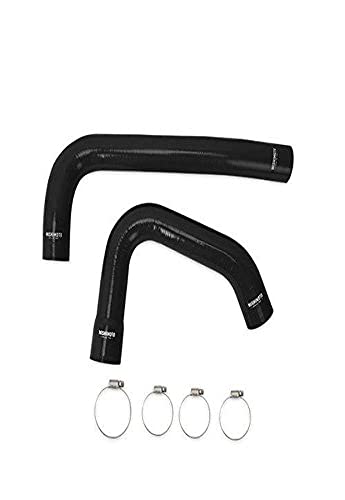
The kit includes:
- One upper main radiator hose
- One lower main radiator hose
- One upper secondary radiator hose
- One lower secondary radiator hose
The supplied description does not clearly guarantee replacement clamps. Confirm the current Mishimoto package contents and product photographs before ordering.
Coolant, thermostat, water pump and radiator are not included.
Product Specifications
| Specification | Detail |
|---|---|
| Manufacturer | Mishimoto |
| Part number | MMHOSE-RAM-15BK |
| Product type | Silicone coolant-hose kit |
| Color | Black |
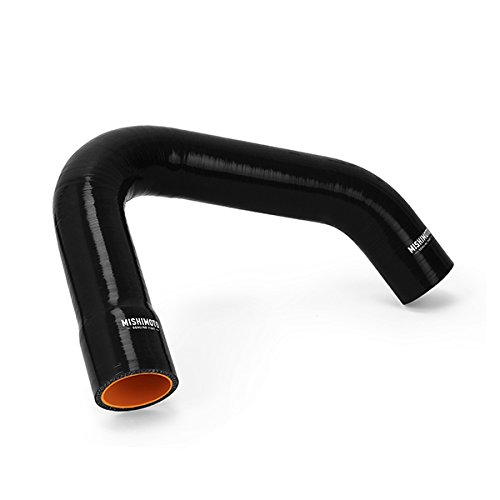
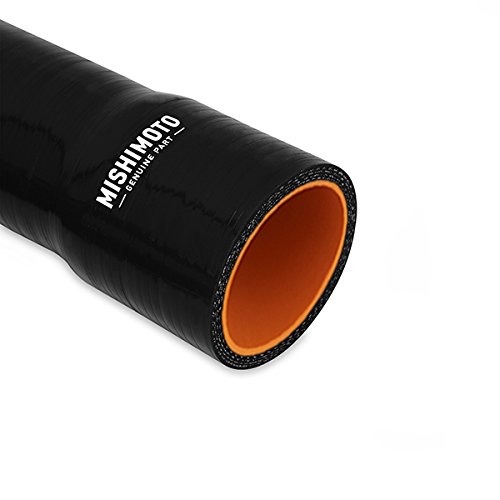
| Material | Four-ply reinforced silicone |
| Hose quantity | Four |
| Engine | 6.7L Cummins turbodiesel |
| Vehicle years | 2015–2018 |
| Lower-hose reinforcement | Internal anti-collapse spring |
| Fitment type | Vehicle-specific |
| Warranty | Mishimoto Lifetime Warranty |
Four-Ply Silicone Construction
Each hose uses high-grade silicone reinforced with four layers of heat-resistant embedded fibers. This construction is designed to improve:
- Heat tolerance
- Pressure tolerance
- Shape retention
- Resistance to cracking
- Resistance to hardening
- Resistance to long-term degradation
- Reliability under towing load
Factory rubber hoses can deliver long service, but diesel-engine heat, coolant chemicals, oil contamination and repeated pressure cycles eventually weaken them.
Silicone provides a durable alternative without dramatically changing the black factory-style appearance.
Internal Lower-Hose Spring
The lower radiator hose operates on the suction side of the water pump. Under high engine speed, a weak hose may deform inward and restrict coolant flow.
Mishimoto incorporates an internal spring into the lower hose to help prevent:
- Hose collapse
- Restricted coolant flow
- Unstable engine temperature
- Overheating under load
- Reduced water-pump supply
The spring must remain properly seated without blocking the hose or damaging its inner surface. Inspect its position before installation.
A collapsing lower hose may look perfectly normal with the engine switched off, which is very considerate of it during diagnosis.
Why Replace 6.7L Cummins Coolant Hoses?
Common signs of hose deterioration include:
- Coolant leaks
- White residue around fittings
- Sweet odor after driving
- Swollen hose sections
- Soft or oil-contaminated rubber
- Cracks near hose ends
- Bulging under pressure
- Lower-hose collapse
- Coolant loss
- Engine overheating
- Weak cabin heat
Use our step-by-step coolant-leak diagnostic guide before ordering. Coolant may run along the radiator, fan shroud, frame or skid plate before reaching the ground.
Main and Secondary Hose Functions
Upper Main Radiator Hose
The upper hose carries heated coolant toward the radiator after the thermostat opens.
Inspect it for:
- Heat damage
- Swelling
- Abrasion
- Clamp leakage
- Hardened ends
- Oil contamination
Lower Main Radiator Hose
The lower hose returns cooled fluid to the water pump. Its internal spring helps resist collapse under suction.
Check for:
- Internal restriction
- Soft sections
- Road-debris damage
- Abrasion
- Spring movement
- Leakage around connections
Secondary Radiator Hoses
The secondary hoses support the truck’s specific coolant-routing arrangement. Correct routing and unrestricted flow are required for predictable cooling-system operation.
Compare every molded branch and connection with the original hoses before installation.
Check the Factory Connections
Inspect all mating components before fitting the silicone hoses:
- Radiator necks
- Thermostat housing
- Water-pump connections
- Quick-connect fittings
- Sealing O-rings
- Retaining clips
- Coolant junctions
- Degas-bottle connections
- Factory clamps
Do not reuse cracked connectors or flattened seals. A reinforced hose attached to a brittle fitting merely relocates the failure.
Diagnose the Coolant Leak
Coolant near the front of the engine may come from:
- Radiator hose
- Water pump
- Thermostat housing
- Radiator seam
- Degas bottle
- Pressure cap
- Heater hose
- Turbocharger coolant connection
- EGR cooling circuit
- Coolant junction
Trace the highest fresh wetness rather than replacing the component closest to the puddle.
If the leak is not obvious, pressure-test the system when cold. Never remove the coolant cap while the engine is hot or pressurized.
Hose, Water Pump or Thermostat?
Cooling-system symptoms can overlap.
| Symptom | Possible source |
|---|---|
| Coolant around a hose end | Hose, clamp, fitting or seal |
| Hose collapses at higher RPM | Weak lower hose or internal restriction |
| Grinding near the pump | Water-pump bearing |
| Engine warms too slowly | Thermostat stuck open |
| Rapid overheating | Low coolant, weak pump or thermostat stuck closed |
| Weak heat with overheating | Low coolant, trapped air or circulation problem |
| P0128 without overheating | Thermostat or temperature-sensor problem |
Our bad thermostat versus bad water pump guide helps separate those failures before unrelated components are replaced.
If the truck stores a P0128 thermostat-regulation code, diagnose thermostat operation and temperature data before blaming the radiator hoses.
Diagnose Overheating Before Upgrading
A 6.7L Cummins may overheat because of:
- Low coolant
- Leaking hose
- Collapsing lower hose
- Failed thermostat
- Weak water pump
- Restricted radiator
- Cooling-fan problem
- Trapped air
- Incorrect coolant mixture
- Heavy towing load
- Poor airflow
- Internal engine fault
Begin with Why Is My Car Overheating? rather than assuming silicone hoses are an all-purpose cooling upgrade.
When the temperature climbs while towing, climbing or driving under load, use Why Does My Car Overheat While Driving? to evaluate coolant circulation and radiator heat rejection.
Inspect the Radiator
While the coolant is drained, inspect the radiator for:
- Leaking seams
- Cracked tanks
- Bent fins
- Mud and debris
- Internal restriction
- Damaged hose necks
- Blocked airflow
- Evidence of stop-leak use
Our guide covering seven signs of a failing radiator can help determine whether hose replacement alone will correct the problem.
A new hose cannot restore restricted radiator tubes. It can, however, look extremely professional while the temperature gauge continues climbing.
Installation Overview
A general installation procedure includes:
- Park the truck on a level surface.
- Let the engine cool completely.
- Disconnect battery power when required.
- Position a drain pan beneath the cooling system.
- Drain the coolant into an approved container.
- Photograph the original hose routing.
- Label all four hoses.
- Release factory clamps and retaining clips.
- Remove each hose carefully.
- Avoid damaging radiator and housing connections.
- Compare each replacement with its original.
- Inspect the lower hose’s internal spring.
- Clean all sealing surfaces.
- Install the hoses without twists or kinks.
- Position clamps behind fitting beads.
- Refill with the specified coolant.
- Bleed trapped air.
- Bring the engine to operating temperature.
- Confirm thermostat and fan operation.
- Recheck every connection after cooldown.
Use the factory service information for the truck’s VIN and cooling package.
Clamp Selection and Installation
If clamps are not included, use high-quality clamps approved for reinforced silicone coolant hoses.
Position each clamp:
- Squarely around the hose
- Behind the fitting bead
- Away from sharp edges
- Clear of belts and pulleys
- Where it remains accessible
- Without cutting into the silicone
Overtightening can damage a hose or crack the fitting underneath it. Tighten each clamp evenly and recheck it after several heat cycles.
Refill With the Correct Coolant
Use the coolant specification required for the specific Ram and its current service history. Do not select coolant by color alone.
Consider a controlled flush when:
- Coolant type is unknown
- Incompatible coolant was mixed
- Rust or debris is present
- Oil entered the cooling system
- Sealant residue is visible
- Major cooling components are being replaced
Follow our guide to flushing a cooling system without damaging it.
If the existing coolant is clean, compatible and within its service interval, a drain and refill may be more appropriate than aggressive chemical cleaning.
Avoid Routine Stop-Leak Use
Cooling-system sealers may restrict:
- Radiator tubes
- Heater-core passages
- Thermostat bypasses
- EGR-cooler passages
- Small vent lines
- Coolant manifolds
Read Can Radiator Stop-Leak Cause Damage? before adding sealant to a system with a visible hose leak.
If a hose is leaking, replace it. Treating a split hose with stop-leak is the automotive equivalent of fixing plumbing with breakfast cereal.
Bleed the Cooling System
Air trapped during service may cause:
- Temperature spikes
- Weak cabin heat
- Gurgling
- Pump cavitation
- Unstable coolant level
- Coolant discharge
- Overheating
Follow the applicable Ram filling and bleeding procedure. Recheck coolant level only after the engine cools completely.
If the engine overheats while the heater blows cold, follow Car Overheats but Heater Blows Cold Air. That symptom combination commonly indicates low coolant, trapped air or poor circulation.
Suitable for Stock and Modified Trucks
The Mishimoto kit is suitable for:
- Daily-driven Ram trucks
- Work trucks
- Towing applications
- Modified Cummins engines
- Off-road builds
- Chassis-cab applications after verification
- Engine-bay appearance upgrades
Modified or heavily loaded trucks still require adequate:
- Radiator capacity
- Fan airflow
- Coolant volume
- Water-pump performance
- Thermostat control
- Pressure retention
- Engine calibration
- Charge-air cooling
Our high-load cooling-system upgrade guide explains why coolant flow, radiator area and airflow must work together.
When to Stop Driving
Stop the truck if:
- The temperature gauge reaches the hot zone
- A warning appears
- Steam becomes visible
- Coolant pours from a hose
- A hose separates from its fitting
- Cabin heat suddenly becomes cold
- Engine power drops
- Temperature continues climbing
Continuing can damage the cylinder head, head gasket, turbocharger or complete engine. Review When Should You Stop Driving Your Car? for additional warning signs.
Features and Benefits
- Corrected fitment for 2015–2018 Ram trucks
- Designed for the 6.7L Cummins turbodiesel
- Four molded coolant hoses
- High-grade four-ply silicone
- Heat-resistant embedded fibers
- Improved heat and pressure tolerance
- Internal lower-hose anti-collapse spring
- Black factory-style appearance
- Available in black, blue or red
- Mishimoto Lifetime Warranty
Frequently Asked Questions
What years does MMHOSE-RAM-15BK fit?
It fits compatible 2015–2018 Ram trucks with the 6.7L Cummins engine.
Does it fit a 2013 or 2014 Ram Cummins?
No. Mishimoto offers the separate MMHOSE-RAM-13 series for 2013–2014 applications.
Does it fit a 2019 Ram Cummins?
No. Mishimoto offers a different MMHOSE-RAM-19 kit for 2019-and-newer trucks.
Which Ram models does it fit?
Primary applications include the Ram 2500 and 3500. Certain 4500 and 5500 chassis-cab configurations may also fit after verification.
How many hoses are included?
The kit includes upper and lower main radiator hoses plus upper and lower secondary hoses.
Does the lower hose contain a spring?
Yes. The lower hose uses an internal spring to resist collapse under water-pump suction.
What color is MMHOSE-RAM-15BK?
The BK suffix identifies the black version.
Are other colors available?
Yes. Compatible kits are also available in blue and red.
Are clamps included?
The supplied description does not clearly guarantee clamps. Confirm the current package contents before ordering.
Will these hoses stop a Cummins from overheating?
Only if the problem is caused by leaking, restricted or collapsing hoses. They cannot repair a failed water pump, thermostat, radiator, fan or internal engine fault.
What warranty is included?
The kit is covered by the Mishimoto Lifetime Warranty, subject to the manufacturer’s current terms.
Final Verdict
The Mishimoto MMHOSE-RAM-15BK replaces four main and secondary coolant hoses on compatible 2015–2018 Ram 6.7L Cummins trucks. Its black four-ply silicone construction provides improved durability while the internal lower-hose spring helps protect coolant flow under load.
Correct the advertised year range to 2015–2018 and direct 2013–2014 owners toward the separate MMHOSE-RAM-13 kit. Confirm chassis-cab applications, clamp contents and factory hose routing before ordering. Fitment accuracy is cheaper than return shipping—an innovation the internet is only gradually discovering.







There are no reviews yet.