
Applications Not Automatically Covered
Do not assume this kit fits:
- 2019-and-newer T1-platform Silverado 1500
- 2019 Silverado 1500 LD without direct confirmation
- Silverado 2500HD
- Silverado 3500HD
- GMC Sierra 1500
- Chevrolet Tahoe
- Chevrolet Suburban
- Cadillac Escalade
- Trucks with modified radiator or engine-swap plumbing
Some catalog systems show related GM applications, but this specific page should follow Mishimoto’s verified Silverado 1500 coverage unless additional vehicles are confirmed by the manufacturer.
Package Contents
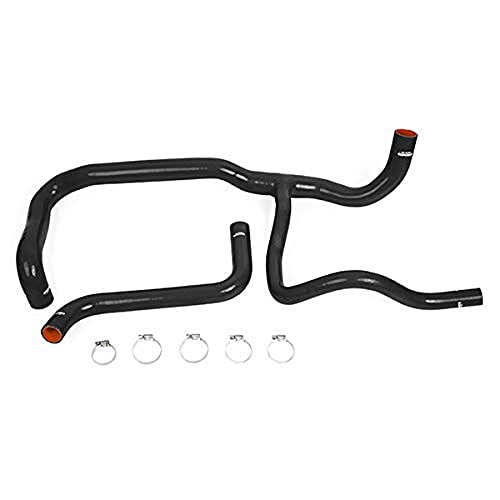
- One upper radiator hose
- One lower radiator hose
- Five worm-gear clamps
The package does not list:
- Coolant
- Thermostat
- Water pump
- Radiator
- Expansion tank
- Heater hoses
- Small vent or bypass hoses
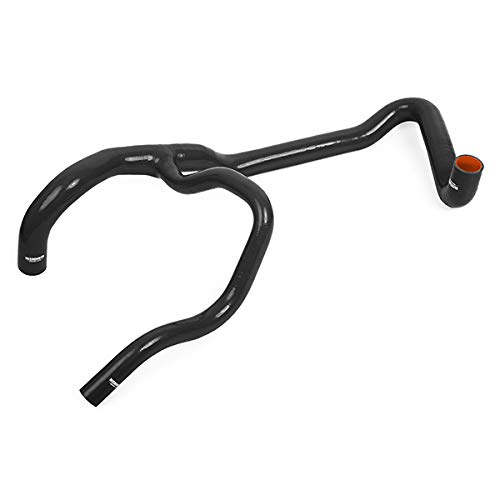
Inspect the photographs and compare the molded bends, branches and connection diameters with the truck’s original hoses.
Product Specifications
| Specification | Detail |
|---|---|
| Manufacturer | Mishimoto |
| Part number | MMHOSE-K2-14BK |
| Product type | Silicone radiator-hose kit |
| Color | Black |
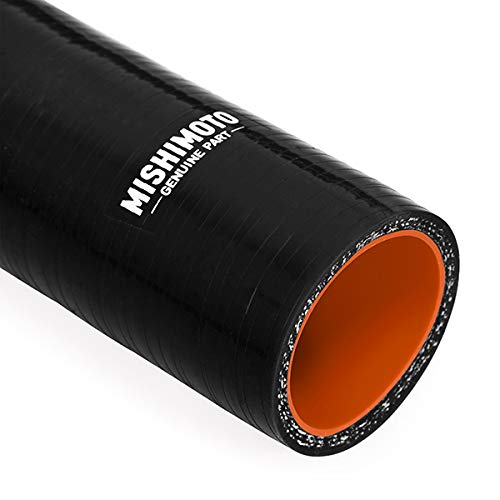
| Material | Four-ply reinforced silicone |
| Primary hose quantity | Two |
| Clamp quantity | Five |
| Clamp type | Worm gear |
| Maximum temperature | 330°F |
| Vehicle platform | Chevrolet Silverado K2XX |
| Fitment | 2014–2018 Silverado 1500 |
| Warranty | Mishimoto Lifetime Warranty |
Four-Ply Silicone Construction
Each hose uses four layers of silicone with heat-resistant embedded fibers. This reinforced structure is designed to improve:
- Heat tolerance
- Pressure tolerance
- Shape retention
- Resistance to cracking
- Resistance to hardening
- Engine-bay durability
- Long-term appearance
Factory rubber hoses can last many years, but repeated heat cycles, coolant exposure, oil contamination and pressure gradually weaken them.
Silicone does not increase the cooling system’s operating pressure or fix an overheating engine by itself. It provides a more durable path for the coolant already moving through the system.
Why Replace Silverado Radiator Hoses?
A leaking radiator hose can quickly lower the coolant level and cause serious engine damage. Common warning signs include:
- Coolant puddles
- Sweet odor after driving
- White or orange residue around connections
- Soft or swollen hose sections
- Cracks near the hose ends
- Hose collapse during cooldown
- Bulging under pressure
- Low-coolant warning
- Steam from the engine compartment
- Rising coolant temperature
Follow our step-by-step coolant-leak diagnostic guide before assuming the largest visible hose is responsible.
Coolant may travel along the fan shroud, frame or underbody panels before reaching the ground. The puddle identifies gravity more reliably than it identifies the failed component.
Inspect the Factory Quick-Connect Fittings
The Silverado cooling system may use molded hose branches, plastic connectors or quick-connect fittings. Before installation, inspect:
- Radiator inlet and outlet necks
- Thermostat-housing connection
- Water-pump connection
- Expansion-tank connections
- Hose retaining clips
- Sealing O-rings
- Plastic junctions
- Factory clamps
Do not force the silicone hose onto a damaged fitting. Replace cracked connectors or flattened seals before refilling the cooling system.
Upper vs. Lower Radiator Hose Symptoms
Upper Radiator Hose
The upper hose generally carries hot coolant from the engine toward the radiator after the thermostat opens.
Inspect it for:
- Swelling near the thermostat outlet
- Leakage around clamps
- Heat damage
- Oil contamination
- Hardening
- Contact with engine components
Lower Radiator Hose
The lower hose generally returns cooled fluid from the radiator toward the water pump.
Inspect it for:
- Collapse under pump suction
- Abrasion near the fan or shroud
- Road-debris damage
- Soft sections
- Internal liner separation
- Leakage near the radiator outlet
A collapsed lower hose can restrict circulation at higher engine speed and cause overheating under load.
Our guide to why a vehicle overheats while driving explains why hose restriction, coolant loss and radiator problems may become more noticeable on the road.
Radiator Hose or Water-Pump Leak?
Coolant near the front of the engine may come from:
- Upper radiator hose
- Lower radiator hose
- Water-pump seal
- Thermostat housing
- Radiator end tank
- Expansion tank
- Heater hose
- Coolant crossover connection
- Pressure cap
Use our bad thermostat versus bad water pump guide when overheating occurs without an obvious hose leak.
Replacing the hoses will not correct a leaking pump or thermostat housing. It will merely provide two very attractive witnesses.
Check the Radiator Before Installation
While the coolant is drained, inspect the radiator for:
- Cracked plastic tanks
- Leaking seams
- Bent fins
- Corrosion
- Road debris
- Internal deposits
- Damaged hose necks
- Blocked airflow
- Evidence of previous stop-leak use
Our guide covering seven signs of a failing radiator can help determine whether hose replacement alone will solve the problem.
A new hose cannot seal a cracked radiator neck. Tightening the clamp harder usually makes that discovery faster.
Check the Thermostat and Water Pump
Radiator hoses operate as part of a complete cooling circuit. Inspect:
- Water-pump leakage
- Water-pump bearing condition
- Thermostat operation
- Belt condition
- Belt tensioner
- Cooling fans
- Coolant reservoir
- Pressure cap
- Heater operation
Begin with Why Is My Car Overheating? when the truck has an unresolved temperature problem.
A P0128 thermostat code generally points toward slow warm-up or a thermostat that is not regulating temperature properly—not a defective silicone hose.
Installation Overview
A general installation procedure includes:
- Park the truck on a level surface.
- Allow the engine to cool completely.
- Disconnect battery power when required.
- Remove intake ducting or covers blocking access.
- Place a drain pan beneath the cooling system.
- Drain the coolant into an approved container.
- Photograph the original hose routing.
- Release the factory clamps or retaining clips.
- Remove the old hoses carefully.
- Avoid damaging radiator and thermostat necks.
- Compare each Mishimoto hose with the original.
- Clean every sealing surface.
- Install the silicone hoses without twists.
- Position the clamps behind each fitting bead.
- Tighten the clamps evenly.
- Refill with the correct coolant mixture.
- Bleed trapped air.
- Bring the engine to operating temperature.
- Confirm thermostat and fan operation.
- Reinspect every connection after cooldown.
Do not remove a radiator or coolant-reservoir cap while the system is hot or pressurized.
Installing Worm-Gear Clamps
The kit includes five worm-gear clamps. Position each clamp:
- Squarely around the hose
- Behind the fitting bead
- Away from sharp edges
- Clear of belts and pulleys
- Where it remains accessible
- Without pressing against wiring
Overtightening can cut into silicone or damage plastic fittings. Tighten each clamp only enough to produce a secure, leak-free connection.
Recheck the clamps after several complete heat cycles. Silicone hoses can settle slightly after initial installation.
Should You Flush the Cooling System?
Consider a controlled flush when:
- Coolant history is unknown
- Incorrect coolant was added
- The fluid contains rust or debris
- Oil contaminated the cooling system
- Old sealant residue is present
- Major cooling components are being replaced
Follow our guide to flushing a cooling system without damaging it.
If the coolant is clean, compatible and within its service interval, a drain and refill may be more appropriate than an aggressive chemical flush.
Avoid Routine Stop-Leak Use
Cooling-system sealers may restrict:
- Radiator tubes
- Heater-core passages
- Thermostat bypasses
- Small vent lines
- Cooling-system bleeds
Read Can Radiator Stop-Leak Cause Damage? before pouring sealant into a system with a visibly damaged hose.
A leaking hose requires a hose repair. Adding sealant to compensate is automotive medicine from the leech-and-tonic era.
Refill and Bleed Correctly
Air trapped after hose replacement may cause:
- Temperature spikes
- Weak cabin heat
- Gurgling
- Unstable coolant level
- Poor circulation
- Coolant pushed from the reservoir
- Overheating
Use the GM-specified coolant type and filling procedure. Do not choose coolant by color alone.
If the engine overheats while the heater blows cold, follow Car Overheats but Heater Blows Cold Air. That combination often points toward low coolant, trapped air or weak circulation.
Stock, Towing and Modified Trucks
The Mishimoto kit is suitable for:
- Stock daily-driven trucks
- Work trucks
- Towing vehicles
- Off-road builds
- Supercharged applications
- Turbocharged builds
- Engine-bay appearance upgrades
Modified and towing applications generate more heat, but silicone hoses do not increase radiator capacity. Cooling performance still depends on:
- Radiator size and condition
- Fan airflow
- Shroud coverage
- Coolant mixture
- Thermostat operation
- Water-pump condition
- Pressure retention
- Engine calibration
Our high-load cooling-system upgrade guide explains why airflow, coolant flow and heat-rejection capacity must be evaluated together.
When to Stop Driving
Stop the truck when:
- The temperature warning appears
- The gauge enters the hot zone
- Steam is visible
- Coolant pours from a hose
- A hose separates from its fitting
- The heater suddenly blows cold
- Engine power drops
- Temperature continues climbing
Continuing can damage the head gasket, aluminum cylinder heads or complete engine. Review When Should You Stop Driving Your Car? for additional warning signs.
Features and Benefits
- Direct fit for 2014–2018 Silverado 1500
- Compatible with stock and modified trucks
- High-grade four-ply silicone
- Heat-resistant embedded fibers
- Improved heat and pressure tolerance
- Upper and lower radiator hoses included
- Five worm-gear clamps included
- Black factory-style appearance
- Other color options available
- Mishimoto Lifetime Warranty
Frequently Asked Questions
What years does MMHOSE-K2-14BK fit?
Mishimoto currently lists it for the 2014–2018 Chevrolet Silverado 1500.
Does it fit a 2019 Silverado 1500?
It is not listed for the redesigned 2019 T1-platform Silverado. A 2019 Silverado 1500 LD may retain K2 components, but compatibility must be confirmed separately.
Does it fit 2020 or newer Silverado trucks?
No. The original “2014+” wording is outdated. Mishimoto’s current listing specifies 2014–2018.
Does it fit the Silverado 2500HD or 3500HD?
No confirmed fitment is provided for HD models.
Does it fit a GMC Sierra 1500?
Do not assume it does. This part number is officially marketed for the Chevrolet Silverado 1500. Verify any Sierra application directly through Mishimoto.
Which engines does it fit?
It is commonly cataloged for 2014–2018 Silverado 1500 trucks with the 4.3L, 5.3L or 6.2L gasoline engine. Confirm the original hose routing before ordering.
How many hoses are included?
The kit includes two primary radiator hoses.
How many clamps are included?
Five worm-gear clamps are included.
What color is MMHOSE-K2-14BK?
The BK suffix identifies the black kit.
Are other colors available?
Yes. Mishimoto offers red and blue versions for compatible applications.
Will these hoses prevent overheating?
They can replace leaking, swollen or collapsing hoses. They cannot repair a failed water pump, thermostat, radiator, fan or internal engine problem.
What warranty is included?
The kit is covered by the Mishimoto Lifetime Warranty, subject to the manufacturer’s current terms.
Final Verdict
The Mishimoto MMHOSE-K2-14BK upgrades the primary radiator hoses on compatible 2014–2018 Chevrolet Silverado 1500 trucks with four-ply reinforced silicone. Its black finish maintains a restrained factory-style appearance while offering improved resistance to heat, pressure and long-term degradation.
The most important listing update is replacing “2014+” with 2014–2018. Confirm the engine, radiator package and hose routing before ordering, inspect the radiator necks during installation and recheck all five clamps after several heat cycles. Eternal fitment was apparently outside the warranty.









There are no reviews yet.