

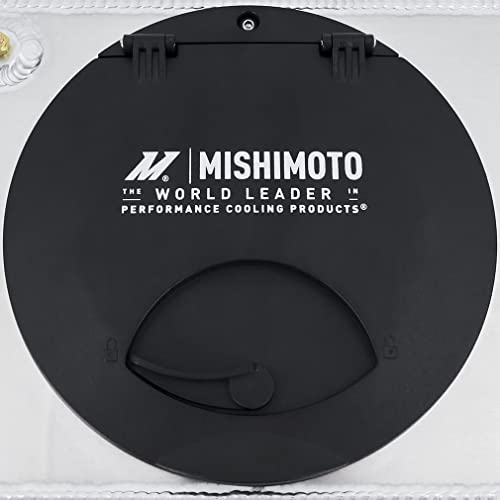
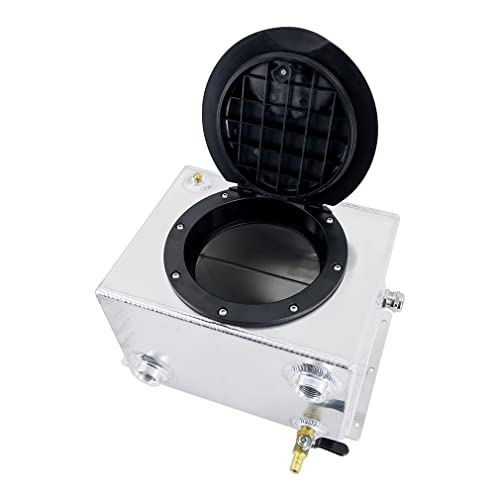
What Is an Intercooler Ice Tank?
An intercooler ice tank is used in conjunction with an air-to-water intercooler system.
Instead of relying solely on coolant circulation, an ice tank provides:
- Additional coolant volume
- Increased thermal capacity
- Lower coolant temperatures
- Reduced intake air temperatures
By adding ice before a race or performance event, intake temperatures can drop significantly compared to a standard air-to-water setup.
Universal Compatibility
The Mishimoto MMRT-A2W-50N is designed for:
Compatible Applications
- Air-to-water intercooler systems
- Turbocharged vehicles
- Supercharged vehicles
- Drag racing builds
- Roll racing cars
- Street/strip applications
With growing automotive trends pushing toward cooled intake air systems (especially turbocharged and high-output applications), this ice tank meets demand for modular upgrades that boost reliability and performance without bulky hardware. Paired with a heat exchanger or intercooler core, it offers measurable gains in thermal management.
Common Platforms
- Ford Mustang
- Chevrolet Camaro
- Corvette
- Dodge Challenger
- Nissan GT-R
- Toyota Supra
- High-horsepower Honda builds
- Custom LS swaps
Universal mounting means fabrication may be required.
Massive 5-Gallon Capacity
Reservoir Capacity
- 5 gallons
- Approximately 15 pounds of ice
Benefits include:
- Greater coolant reserve
- Extended cooling duration
- Improved thermal stability
- Reduced temperature spikes
More coolant volume helps prevent temperature fluctuations during hard use.
Dramatically Reduces Intake Air Temperatures
The primary purpose of an ice tank is lowering intake air temperature (IAT).
Benefits include:
- Increased air density
- Improved combustion efficiency
- Greater power consistency
- Reduced knock potential
Lower IATs are especially important on high-boost applications.
Helps Eliminate Heat Soak
Heat soak occurs when intercooler coolant temperatures rise and cooling efficiency drops.
Common scenarios include:
Drag Racing
Repeated passes can raise coolant temperatures quickly.
Roll Racing
Multiple high-speed pulls generate substantial heat.
Dyno Sessions
Long tuning sessions often expose cooling limitations.
Hot Weather Driving
High ambient temperatures accelerate heat soak.
The additional coolant and ice reserve help combat these issues.
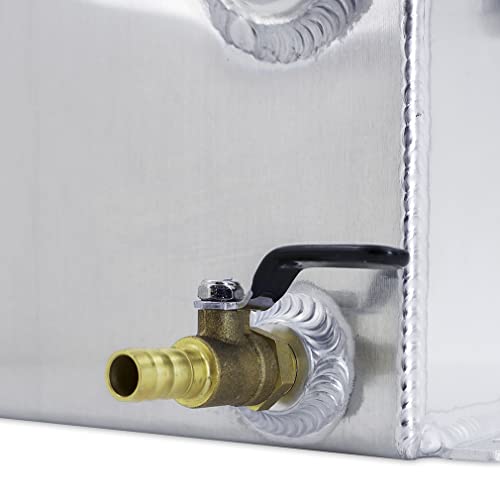
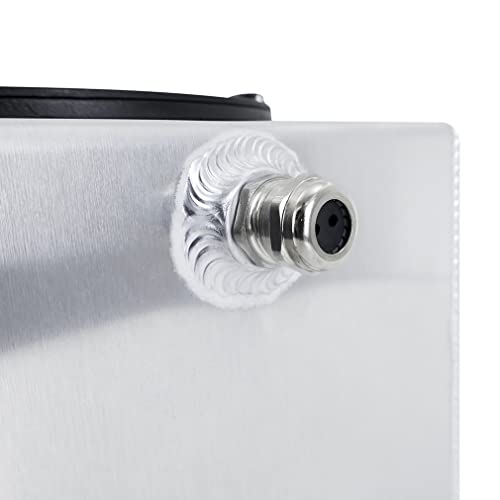
Fully TIG-Welded Aluminum Construction
Material
- Aluminum
Construction
- Fully TIG welded
Benefits include:
- Excellent durability
- Corrosion resistance
- Lightweight design
- Long service life
Mishimoto’s welded construction is built to withstand vibration, pressure, and repeated use.
Perfect for High-Horsepower Builds
This ice tank is especially useful for:
Turbocharged Applications
- Single turbo systems
- Twin turbo systems
- High-boost race setups
Supercharged Applications
- Centrifugal superchargers
- Roots-style blowers
- Twin-screw superchargers
Air-to-Water Systems
Ideal for any performance application already using an air-to-water intercooler.
Why Air-to-Water Systems Use Ice Tanks
Air-to-water intercoolers already provide advantages over traditional air-to-air systems:
- Faster cooling response
- Flexible packaging
- Greater cooling potential
Adding an ice tank further improves performance by reducing coolant temperatures below ambient air temperatures.
Great for Drag Racing
Drag racers frequently use ice tanks because:
- Lower intake temperatures can improve power output
- Cooler air helps maintain consistency
- Reduced heat soak between rounds
Many competitive race cars rely on large-capacity ice tanks for this reason.
Installation Considerations
Before installation:
- Verify available mounting space
- Plan coolant hose routing
- Ensure adequate pump capacity
- Consider drain and fill accessibility
Professional fabrication may be required for some applications.
Pros and Cons
Pros
- Large 5-gallon capacity
- Supports approximately 15 pounds of ice
- Helps reduce intake air temperatures
- Minimizes heat soak
- Durable TIG-welded aluminum construction
- Universal compatibility
Cons
- Requires an air-to-water intercooler system
- Universal installation may require fabrication
- Not beneficial for air-to-air intercoolers
- Adds weight when filled
Frequently Asked Questions
Will this work with an air-to-air intercooler?
No. Ice tanks are designed specifically for air-to-water intercooler systems.
How much ice does it hold?
Approximately 15 pounds of ice.
Does colder intake air increase horsepower?
Lower intake temperatures can improve air density and help maintain consistent power output.
Is this mainly for racing?
While street cars can use it, ice tanks are most popular in drag racing and high-performance applications.
Final Thoughts
The Mishimoto MMRT-A2W-50N Air-to-Water Intercooler Ice Tank is an excellent upgrade for serious performance builds running air-to-water intercooling systems. With a massive 5-gallon capacity, fully TIG-welded aluminum construction, and the ability to dramatically reduce intake air temperatures, it’s a valuable tool for reducing heat soak and maximizing performance.
Because when you’re chasing every last horsepower, a bag of ice can suddenly become a performance modification.






There are no reviews yet.