

Lowering Height
The advertised ride-height reduction is approximately:
- Front: 1.4 inches
- Rear: 1.5 inches
Actual ride height can vary slightly based on trim level, vehicle weight, shock condition, wheel-and-tire setup and previously installed suspension parts. Springs also require a short settling period after installation.
This drop is aggressive enough to reduce the Civic’s factory fender gap without pushing it fully into “speed bumps are now a personal attack” territory.
Improved Civic Stance and Handling
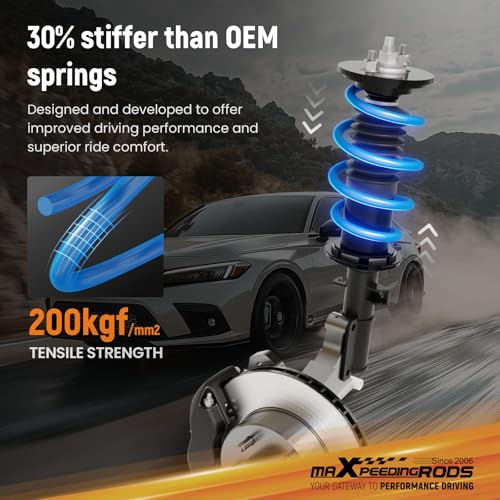
Lowering springs reduce the vehicle’s center of gravity. This can limit body roll during cornering and make steering transitions feel quicker and more controlled.
Potential performance benefits include:
- Reduced body roll
- More planted highway behavior
- Quicker steering response
- Improved appearance and wheel fitment
- Less front-to-rear weight transfer
- Firmer, more controlled suspension movement
Lowering springs do not automatically create more tire grip. Tires, alignment, damping and suspension condition still determine how effectively the chassis uses the reduced ride height.
Browse additional Honda Civic suspension components or compare these springs with adjustable coilover suspension kits available through Pro Street Online.
SAE 9254 Cold-Wound Steel Construction
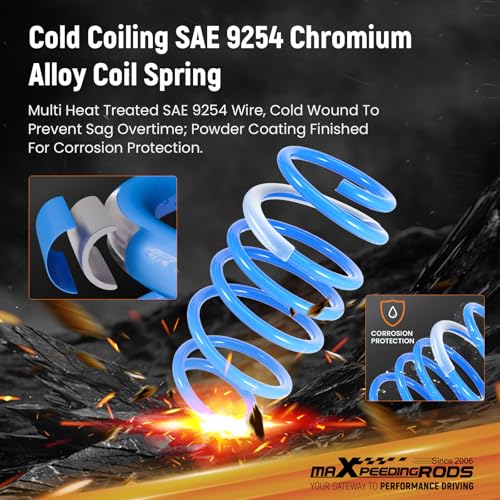
The springs are manufactured from SAE 9254 steel, a high-silicon chromium alloy commonly selected for components exposed to repeated loading. Cold-wound construction is intended to maintain consistent spring geometry and predictable suspension response.
An anti-corrosion coating helps protect the steel against:
- Moisture
- Road salt
- Dirt and road debris
- Temperature changes
- Common automotive chemicals
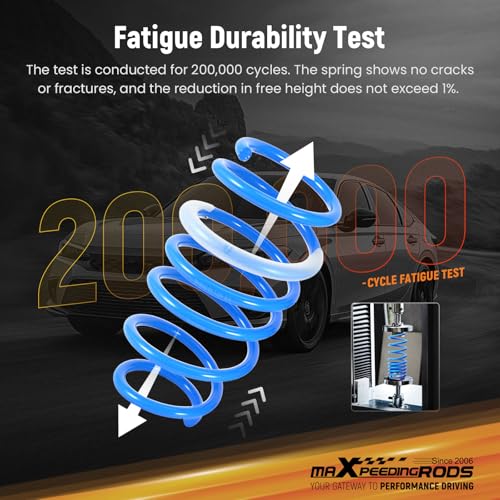
According to the supplied manufacturer specifications, the springs undergo a 200,000-cycle fatigue test and 720-hour salt-spray test. These tests evaluate resistance to repeated compression and corrosive environments, although real-world service life will still depend on climate, mileage and installation quality. More information about the manufacturer’s suspension range is available through maXpeedingrods.
Compatible With Factory and Aftermarket Shocks
These lowering springs are advertised for use with compatible factory-style or aftermarket shocks and struts. However, the condition of the existing dampers matters.
Installing shorter springs over worn factory shocks can produce:
- Excessive bouncing
- Poor rebound control
- Bottoming over large bumps
- Premature shock wear
- Reduced ride quality
Inspect the struts, shocks, mounts, bump stops and bearings during installation. If the original dampers are leaking or have accumulated significant mileage, replacing them while the suspension is already apart usually makes more sense than paying for the same labor twice.
For a street-driven Civic, performance dampers designed to operate with lowering springs generally provide better control than tired factory units.
Installation Requirements
Although this kit uses factory-style mounting locations, “direct fit” does not mean the springs simply fall into place during lunch.
Installation normally requires:
- Raising and safely supporting the vehicle
- Removing the front strut assemblies
- Using an appropriate spring compressor
- Transferring or replacing the upper strut mounts
- Removing and replacing the rear springs
- Inspecting bump stops and dust boots
- Torquing suspension hardware at the proper position
- Performing a four-wheel alignment
Compressed coil springs store substantial energy. Improper handling can cause serious injury, so professional installation is recommended unless you have the correct equipment and suspension experience.
Alignment Is Required After Lowering
Changing ride height alters suspension geometry. A four-wheel alignment should be completed after the springs have settled.
Technicians should check:
- Front and rear toe
- Front and rear camber
- Steering-wheel position
- Tire clearance
- Brake-hose and ABS-wire clearance
- Suspension travel
- Fender clearance under compression
Excessive negative camber may require an aftermarket camber adjustment kit. Toe is particularly important because incorrect toe can destroy a set of tires surprisingly quickly. The NHTSA tire-safety guide provides additional information about tire inspection, wear and maintenance.
Wheel and Tire Clearance
A 1.4- to 1.5-inch drop generally works well with sensible street wheel fitment, but clearance depends on wheel width, offset, tire size and alignment.
Before driving aggressively, inspect clearance at:
- Front fender liners
- Rear fender lips
- Inner wheel wells
- Strut bodies
- Brake hoses
- Full steering lock
- Full suspension compression
An oversized wheel, aggressive offset and lowered suspension can look fantastic while parked. Unfortunately, cars occasionally need to turn.
What’s Included?
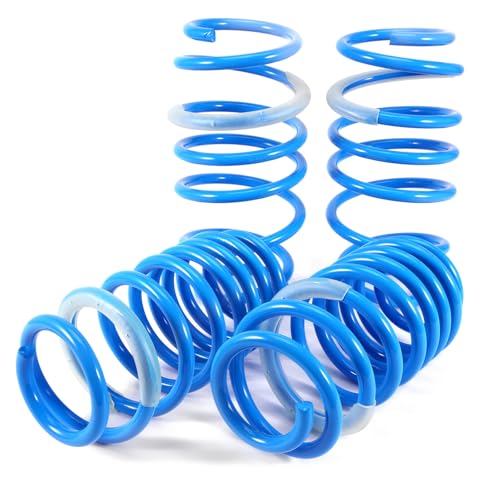
The package includes a vehicle-specific set of lowering springs for the front and rear suspension. Shocks, struts, mounts, camber components and installation tools are not listed as included.
Who Should Buy These Springs?
This kit is best suited for a 2012–2015 Civic owner who wants:
- A lower, cleaner street stance
- Firmer handling than the factory suspension
- Less body roll
- Fixed ride height without coilover adjustments
- Compatibility with serviceable factory-style dampers
- A more affordable alternative to complete coilovers
Drivers who need adjustable ride height or damping should consider a complete coilover system instead. Those prioritizing factory ride comfort may prefer a milder spring or replacement OEM suspension.
Final Verdict
The maXpeedingrods lowering springs offer a straightforward suspension upgrade for non-hybrid 2012–2015 Honda Civic DX, LX, EX and Si models. Their advertised 1.4-inch front and 1.5-inch rear drop should provide a visibly lower stance while improving body control and steering response.
Proper installation, healthy dampers and a post-installation alignment are essential. Springs can improve the chassis, but they cannot negotiate with worn struts or incorrect wheel offset.
Explore more suspension upgrades at Pro Street Online and visit My Pro Street for installation guides, technical articles and Honda troubleshooting information.






There are no reviews yet.