
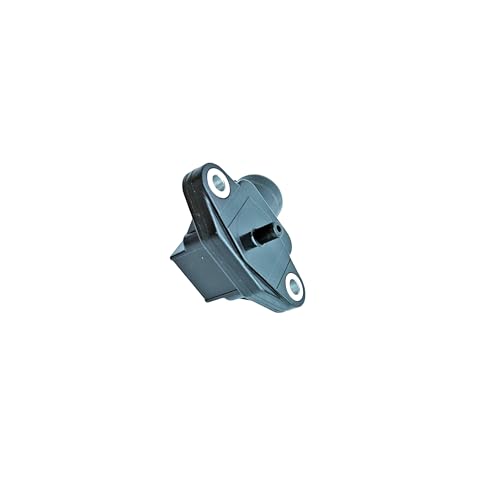
What Does a MAP Sensor Actually Do?
The MAP sensor measures intake manifold pressure and vacuum. The ECU uses that information to determine:
- Engine load
- Fuel delivery
- Ignition timing
- Air/fuel ratio adjustments
In simple terms, the ECU uses MAP sensor data to figure out how hard the engine is working.
When the sensor fails, the ECU starts making terrible decisions. That’s when drivability problems begin.
Part Quantity(s):
37830-P0G-S00
37830-PAA-S00
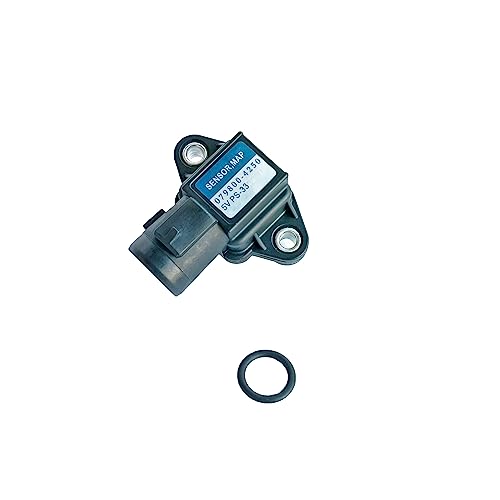
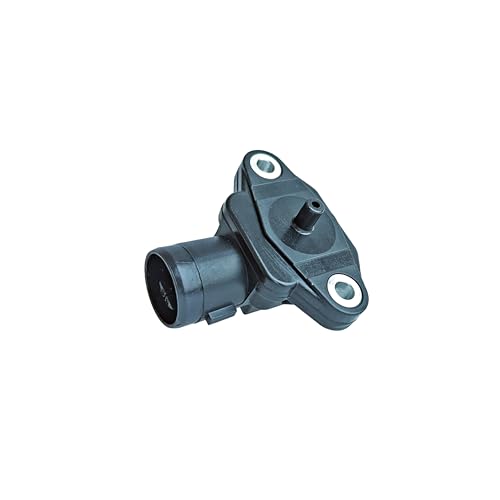
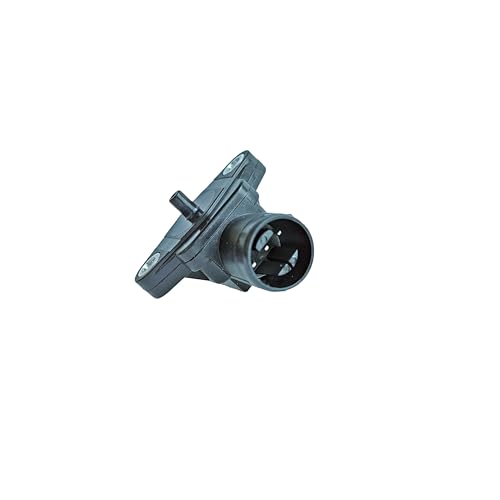
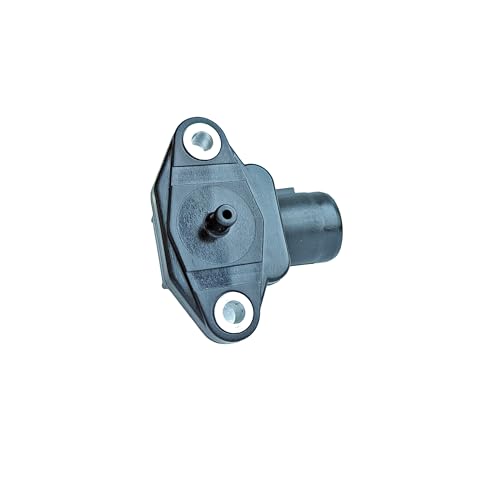
Honda Acura MAP Sensor 079800-4250 Civic Prelude S2000 Integra CRV
Common Symptoms of a Bad MAP Sensor
A failing MAP sensor can cause:
- Rough idle
- Hesitation during acceleration
- Poor throttle response
- Random stalling
- Hard starting
- Bad fuel economy
- Surging at cruise
- Check engine light
Common diagnostic trouble codes include:
- P0105
- P0106
- P0107
- P0108
Older Hondas are especially sensitive to MAP sensor voltage irregularities, which is why even a slightly failing sensor can create noticeable drivability issues. Learn how to troubleshoot this Honda MAP sensor using this DIY article.
Vehicle Compatibility
This MAP sensor replacement commonly fits the following vehicles:
Honda Applications
- Honda Civic
- Honda Civic del Sol
- Honda Accord
- Honda Prelude
- Honda CR-V
- Honda Odyssey
- Honda S2000
Acura Applications
- Acura Integra
Isuzu Applications
- Isuzu Oasis
Manifold Force Sensor Substitute for Honda Civic Prelude S2000 Acura Integra SOHC Engine
OEM Cross Reference Numbers
Compatible replacement numbers include:
- 079800-4250
- 37830-P0G-S00
- 37830-PAA-S00
- AS64
- 5S2396
Always verify connector style and OEM reference number before ordering.
Force: 1.7 Bar; Direct Substitute
It’s a right away Substitute for the B, D, H, F Collection Honda/Acura engines.
Contains O-ring.
Why MAP Sensors Fail on Older Hondas
After years of engine heat and vibration, MAP sensors begin to deteriorate internally.
Common causes include:
- Heat cycling
- Oil vapor contamination
- Vacuum pressure fluctuations
- Electrical connector corrosion
- Aging internal circuitry
And because Honda engine bays love cooking sensors for 20+ years, eventual failure is basically inevitable.
Cheap MAP Sensors vs OEM-Quality Sensors
This is one of those parts where ultra-cheap sensors can actually make the car run worse.
Low-quality sensors often cause:
- Incorrect voltage readings
- Fuel trim problems
- Idle instability
- Random CELs
- Inconsistent throttle response
For best results, most Honda enthusiasts stick with:
- Denso
- NTK
- Hitachi
- Genuine Honda
Because Honda ECUs are surprisingly picky about sensor calibration.
Installation Guide
Replacing the MAP sensor is typically straightforward:
- Disconnect the battery
- Locate the MAP sensor on the intake manifold or throttle body
- Unplug the electrical connector
- Remove mounting screws
- Install the new sensor
- Clear ECU fault codes
Typical install time:
- 10 to 20 minutes
Important Tip: Check for Vacuum Leaks First
A surprising number of “bad MAP sensor” symptoms are actually caused by:
- Cracked vacuum hoses
- Intake manifold leaks
- Loose intake piping
- Throttle body gasket leaks
Before replacing sensors, it’s smart to inspect the intake system thoroughly.
Why Replacing a Bad MAP Sensor Matters
Driving with a failing MAP sensor can eventually cause:
- Poor fuel economy
- Excess carbon buildup
- Reduced engine performance
- Increased emissions
- Long-term drivability issues
Replacing the sensor restores accurate engine load calculations and helps the ECU properly manage fueling and ignition timing again.
Final Thoughts
The 079800-4250 MAP sensor is a critical component for many older Honda, Acura, and Isuzu vehicles. Whether you’re fixing a rough idle, chasing a hesitation problem, or finally dealing with that annoying check engine light, replacing a worn MAP sensor can dramatically improve drivability.
And on older Hondas, there’s something oddly satisfying about fixing a terrible idle with one tiny sensor and two screws.



There are no reviews yet.