

Duramax Engine Compatibility
LLY: Compatible applications beginning in 2004.5
LBZ: Compatible applications
LMM: Compatible applications through 2010
LB7: Not listed as compatible
Do not assume every 2004 model uses the same fuel-return system. The 2004 model year is particularly important because of the transition between Duramax engine generations.
Replaces 98062291, 97328732, 97328733 and 97359750
This FUSCH Duramax injector return-line kit is designed as an aftermarket replacement for applications using the following OE/interchange numbers:
98062291
97328732
97328733
97359750
Part numbers are valuable for confirming compatibility, but they should be used alongside the engine code and physical configuration of the original return assembly.
What Does the Duramax Injector Return Line Do?
The injector return circuit carries excess diesel fuel away from the injectors and back through the vehicle’s fuel system.
Common-rail diesel injectors receive fuel under extremely high pressure. Not every bit of fuel supplied to an injector enters the combustion chamber, so the injector requires a controlled return path.
That makes the return system more than a collection of little hoses sitting on top of the engine.
The return circuit must remain sealed and properly assembled to prevent external diesel leakage and maintain correct fuel-system operation.
If you’re trying to understand how return plumbing relates to overall pressure control, the Pro Street Fuel Pressure Regulator Guide explains fuel pressure, return circuits, regulators, pumps, and the differences between common fuel-system layouts.
Complete Hose-and-Fitting Repair Kit
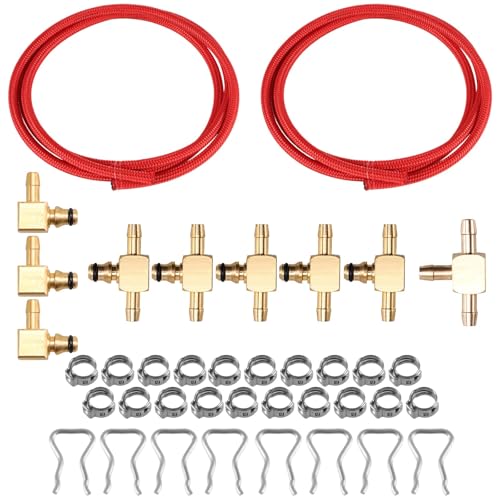
Instead of supplying a preassembled line for only one cylinder bank, this kit provides bulk return hose and individual fittings that can be assembled to recreate the required return plumbing.
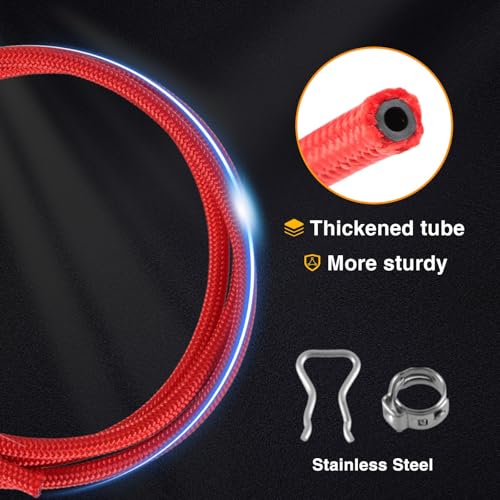
Two 1.5-meter hose sections provide approximately 3 meters of total return hose.
This design allows the installer to cut individual hose sections to match the original routing and connect them using the supplied brass T-fittings and elbows.
It can be especially useful when several original return hoses and fittings have deteriorated rather than only one connection requiring repair.
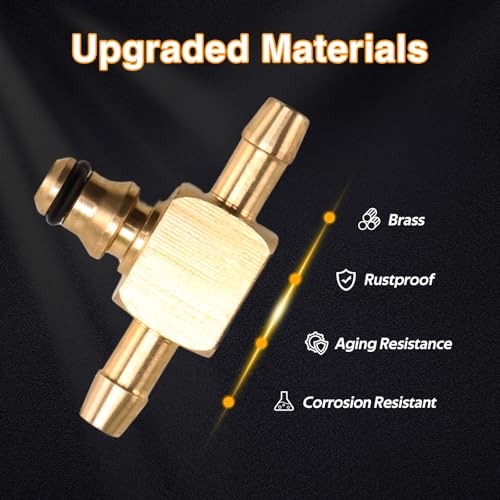
Why Upgrade Plastic Fuel Return Fittings to Brass?
Plastic fuel-system components offer advantages in production vehicles, including low weight and low manufacturing cost. Age and repeated heat cycles, however, can eventually make some plastic components more vulnerable to cracking during service.
Brass provides a more robust connection and is naturally resistant to corrosion in many automotive environments.
The FUSCH kit’s metal fittings are particularly appealing when rebuilding an older Duramax return system because the repair replaces both the flexible hose and connection hardware.
That’s a little more reassuring than installing a fresh hose onto a 20-year-old plastic fitting and asking everyone involved to think positive thoughts.
Symptoms of a Leaking Duramax Injector Return Line
A damaged injector return hose, seal, or fitting can allow diesel fuel to escape around the top of the engine.
Potential symptoms include:
-
Diesel odor under the hood
-
Visible fuel around an injector
-
Wet return hoses
-
Fuel around T-fittings or elbows
-
Diesel collecting near the cylinder head
-
Cracked or hardened return hose
-
Broken return fittings
-
Damaged retaining clips
-
Leakage following injector service
Inspect the entire return circuit before ordering replacement components. Fuel can travel across the engine and make the actual leak source difficult to identify.
External Return Leak vs. Excessive Injector Return
An external fuel-return leak and excessive injector return flow are different problems.
External leakage occurs when fuel escapes through damaged hose, fittings, seals, or connections. This kit is intended to repair those physical return-line components.
Excessive injector return occurs internally when a worn or malfunctioning injector allows too much fuel into the return circuit.
A new hose and brass fitting cannot repair an internally worn injector.
If the engine also has hard-starting, low rail pressure, or pressure-control faults, further diagnosis may be necessary. The Pro Street P0089 Fuel Pressure Regulator Performance guide covers several causes of fuel-pressure problems and can help distinguish pressure-control faults from straightforward external leakage.
How to Assemble the FUSCH Duramax Return Line Kit
This kit requires the supplied hose to be cut and assembled with the brass fittings.
Before disassembly, photograph or document the original return-line routing. This gives you a reference for hose lengths and fitting orientation during reassembly.
1. Cut the Return Hose Cleanly
Use a sharp knife or appropriate hose-cutting tool to produce a clean, square cut.
Avoid fraying or separating the braided outer layer.
If material from the outer braid separates during cutting, remove loose debris completely before assembling the hose. Do not allow contamination to enter the fuel-return circuit.
2. Install the Hose Clamp
Place the appropriate clamp over the hose before pushing the hose onto the fitting.
Doing this now is significantly easier than discovering the clamp sitting on the workbench after the entire fitting has been assembled.
3. Lubricate the Fitting Lightly
A small amount of suitable lubricant can be applied to the fitting or seal to make insertion easier and reduce the possibility of damaging the hose or sealing component.
Use only a small amount.
4. Insert the Brass Connector
Push the hose fully onto the appropriate brass T-fitting or 90-degree connector.
Make sure the hose is seated properly and is not twisted.
5. Position the Clamp
Move the clamp into its correct position over the hose-to-fitting connection and secure it.
FUSCH recommends orienting the excess portion of the clamp upward so it does not interfere when the fitting is installed at the injector.
6. Repeat for the Remaining Connections
Use the original routing as a reference and continue assembling the remaining hose sections, T-fittings, and elbows.
Avoid making hose sections unnecessarily short. The return hose should follow its intended path without being stretched tightly between fittings.
Installation Tips for Better Reliability
Before opening the return system, clean the surrounding engine area thoroughly.
Dirt that falls into an exposed injector connection during installation can turn an inexpensive hose repair into a much more interesting problem.
During assembly:
-
Keep all open fuel connections clean
-
Make square hose cuts
-
Remove loose braided material
-
Avoid excessively short hose sections
-
Lightly lubricate seals where appropriate
-
Seat each fitting completely
-
Install retaining clips fully
-
Position clamps so they do not interfere with adjacent components
-
Keep hoses away from sharp edges
-
Follow the original routing whenever possible
-
Check for pinched or kinked hose
After installation, prime the fuel system according to the appropriate vehicle service procedure and inspect every connection before starting the engine.
Check the connections again after the engine has run and reached operating temperature.
Common-Rail Diesel Safety
The Duramax uses a high-pressure common-rail injection system.
Never loosen or disconnect a high-pressure injector or fuel-rail connection while the engine is running.
The injector return circuit operates differently from the high-pressure feed side, but servicing any portion of the diesel fuel system should still be performed with appropriate safety procedures and a clean work environment.
If you are uncertain which fuel line you’re working on, consult the appropriate service information before disconnecting it.
Why Replace the Entire Return Hose Assembly?
If one hose has failed strictly because of accidental physical damage, replacing only that section may be reasonable.
Age-related deterioration is different.
When one original return component begins failing after years of heat cycles and vibration, the other original components have experienced essentially the same operating environment.
Replacing the return hoses, seals, fittings, and retaining hardware together can provide a more comprehensive repair and reduce the likelihood of another old connection beginning to leak shortly afterward.
Why Choose the FUSCH Brass Duramax Return Line Kit?
The FUSCH kit combines replacement braided hose with upgraded brass fittings to provide a more comprehensive solution for aging LLY, LBZ, and LMM injector return systems.
Key features include:
-
Compatible with specified 2004.5–2010 6.6L Duramax applications
-
Designed for LLY, LBZ, and LMM engines
-
Upgraded brass fittings replace plastic-style connections
-
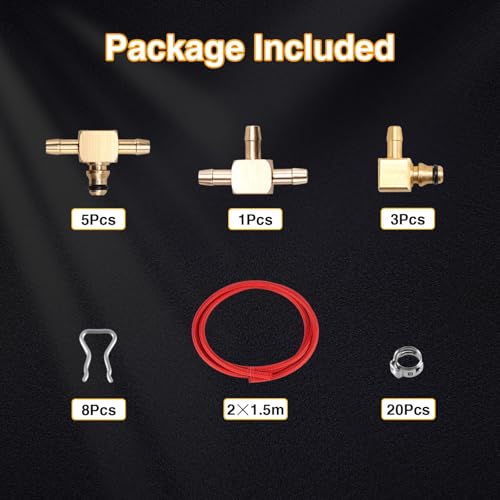
Six brass T-fittings
-
Three brass 90-degree fittings
-
New fitting seals
-
Eight retaining clips
-
Twenty hose clamps
-
Two 1.5-meter lengths of return hose
-
Cross-references 98062291, 97328732, 97328733, and 97359750
For a high-mileage Duramax with deteriorated return plumbing, the FUSCH kit provides the components needed to rebuild the injector return circuit with more durable metal connections.
Frequently Asked Questions
What engines does the FUSCH injector return-line kit fit?
The kit is advertised for compatible 2004.5–2010 6.6L Duramax LLY, LBZ, and LMM diesel engines.
Does this fit an LB7 Duramax?
The LB7 is not listed as a compatible application for this kit.
What makes this kit upgraded?
The kit replaces plastic-style return connectors with brass T-fittings and 90-degree fittings, providing stronger metal connections.
How much return hose is included?
Two 1.5-meter lengths are supplied, providing approximately 3 meters of total hose.
How many brass fittings are included?
There are nine brass fittings total: six T-fittings and three 90-degree/L-fittings.
Are retaining clips included?
Yes. The package includes eight return-line retaining clips.
Are hose clamps included?
Yes. The kit includes 20 hose clamps.
What part numbers does this kit replace?
Listed interchange numbers include 98062291, 97328732, 97328733, and 97359750.
Does the hose need to be cut during installation?
Yes. This kit uses bulk hose that must be cut into the appropriate lengths for the vehicle’s return-line configuration.
Should the fittings be lubricated?
The manufacturer recommends applying a small amount of suitable grease/lubricant to assist installation. Avoid excessive lubricant.
Can this kit repair low fuel-rail pressure?
It can repair physical problems with compatible external return hoses and fittings. It will not repair a worn injector, high-pressure pump, pressure-control component, or other internal fuel-system fault.






There are no reviews yet.