

Dashboard Flocking Guide: The Best Solution for Cracked and Sticky Dashboards
If you’ve owned a Japanese sports car from the late 1980s through the early 2000s, chances are you’ve seen one of the most frustrating interior problems imaginable: a dashboard that has cracked like a dry lake bed or turned into a sticky, melting mess.
From Nissan 240SX models to Toyota Supras, Mazda RX-7s, Honda Civics, Mitsubishi Evolutions, and countless European performance cars, aging dashboards eventually become victims of UV exposure, heat, and deteriorating plastics.
While replacing the dashboard with an OEM unit is becoming nearly impossible—and often extremely expensive—dashboard flocking has become one of the most popular solutions among enthusiasts, race teams, and restoration shops.
Here’s why.
What Is Dashboard Flocking?
Dashboard flocking is the process of covering a dashboard with thousands of tiny nylon or rayon fibers that stand upright inside a specially formulated adhesive.
The finished surface resembles suede or Alcantara but offers several unique benefits:
- Hides cracks and imperfections
- Eliminates dashboard glare
- Creates a motorsport appearance
- Covers repaired sections
- Prevents reflections in the windshield
- Provides a soft, premium texture
Many rally, drift, and endurance race cars use flocked dashboards because they reduce windshield glare that can interfere with visibility.
Why Do 1990s Dashboards Become Sticky?
Many dashboards manufactured during the 1990s used soft-touch coatings designed to create a luxurious appearance.
Unfortunately, after years of exposure to:
- UV rays
- High cabin temperatures
- Moisture
- Cleaning chemicals
the coating begins breaking down.
Symptoms include:
- Sticky surfaces
- Peeling finish
- Goo that transfers onto your hands
- Shiny patches
- Bubbling
Anyone who has restored a Nissan S13, Toyota MR2, FD RX-7, or many GM and European vehicles has likely encountered this issue.
Instead of trying to repaint the deteriorating coating, many builders strip the dash completely before applying flocking adhesive.
Flocking Can Hide Minor Dash Cracks
One major reason restorers choose flocking is because it helps disguise small imperfections.
After filling cracks with:
- Flexible epoxy
- Plastic repair compound
- Urethane filler
the flock fibers naturally hide sanding marks and slight texture differences.
Although severe structural damage still requires proper repair, flocking is far more forgiving than traditional paint.
Why Racers Love Flocked Dashboards
Professional motorsports have used flocked interiors for decades.
Benefits include:
Reduced Windshield Reflection
Sunlight reflecting off a smooth dashboard can create dangerous glare.
Flocking absorbs light instead of reflecting it.
This improves visibility during:
- Track days
- Rally racing
- Autocross
- Time attack
- Canyon driving
Lightweight Finish
Unlike upholstery or vinyl wrapping, flocking adds almost no weight.
That’s one reason it’s common in race-prepped interiors.
Consistent Appearance
Unlike painted dashboards that eventually scratch or fade, properly applied flocking maintains a consistent matte appearance.
Can You Flock Over a Sticky Dashboard?
Not directly.
A sticky dashboard must first be stripped completely.
The process generally involves:
- Remove dashboard from vehicle.
- Strip all failing soft-touch coating.
- Repair cracks.
- Sand smooth.
- Clean thoroughly.
- Apply flocking adhesive.
- Apply flock fibers evenly.
- Allow adhesive to fully cure.
Skipping the preparation stage usually leads to poor adhesion.
Choosing the Right Flocking Powder
High-quality flock fibers make a significant difference in the final appearance.
For automotive dashboards, look for fibers that provide:
- Consistent length
- Dense coverage
- Fade resistance
- Uniform coloring
- Soft finish
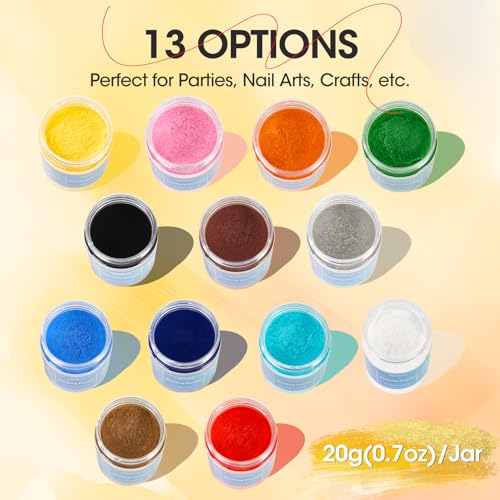
Black remains the most popular choice because it minimizes reflections while matching nearly every interior.
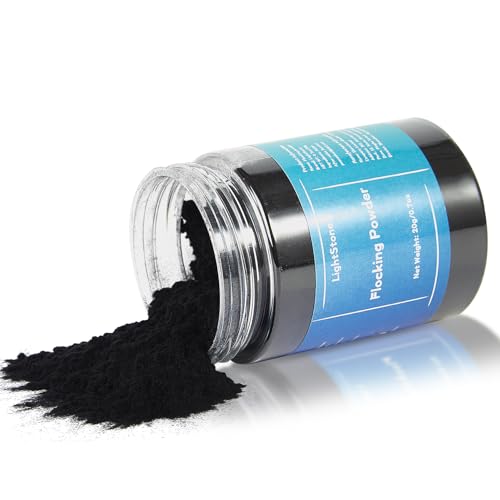
A 20g black flocking powder with approximately 0.6 mm fibers is well suited for small repairs, trim pieces, gauge pods, switch panels, glove boxes, and other interior accents. Larger dashboards typically require multiple containers depending on size and application method.
Tools You’ll Need
Most DIY flocking projects require:
- Dashboard flocking adhesive
- Black flock fibers
- Flocking applicator
- Plastic repair filler
- Sandpaper
- Wax and grease remover
- Masking tape
- Protective gloves
- Respirator
- Shop vacuum
Can Beginners Flock a Dashboard?
Yes.
Many enthusiasts successfully flock their first dashboard with patience and proper preparation.
The biggest mistakes include:
- Poor cleaning
- Uneven adhesive
- Not applying enough fibers
- Touching adhesive before curing
- Rushing surface repairs
Preparation accounts for most of the final result.
Is Dashboard Flocking Better Than Painting?
For damaged dashboards, flocking often offers several advantages.
| Dashboard Paint | Dashboard Flocking |
|---|---|
| Shows repaired cracks | Helps hide repairs |
| Can create glare | Virtually eliminates glare |
| Chips over time | More scratch resistant |
| Requires perfect surface | More forgiving |
| Factory appearance | Motorsport appearance |
If originality is the goal, restoring or replacing the dashboard may be the better option. If functionality, appearance, and reduced glare matter more, flocking is often the preferred solution.
Common Cars That Benefit From Dashboard Flocking
Flocking is especially popular among owners of:
- Nissan 240SX (S13/S14)
- Nissan Skyline R32, R33, R34
- Toyota Supra Mk3 and Mk4
- Mazda RX-7 FC and FD
- Honda Civic EG, EK, EF
- Acura Integra DC2
- Mitsubishi Eclipse DSM
- Mitsubishi Lancer Evolution
- Subaru WRX STI
- Toyota AE86
- BMW E30 and E36 track cars
Many of these vehicles now have aging interiors where replacement dashboards are difficult to source or prohibitively expensive.
Final Thoughts
Dashboard flocking is more than a cosmetic modification—it’s a practical restoration technique that has been trusted in motorsports for decades. Whether you’re dealing with a cracked dashboard, a deteriorating soft-touch finish, or the infamous sticky “90s goo” found in many older vehicles, flocking can dramatically improve both appearance and function.
With careful preparation, quality adhesive, and fine black flocking fibers, you can transform a tired dashboard into a durable, glare-free surface that looks right at home in a race car or a clean street build. For enthusiasts restoring classic Japanese performance cars, it’s often one of the most effective and affordable interior upgrades available.
FAQ
Does dashboard flocking cover cracks?
It hides minor repaired cracks very well but is not a substitute for properly repairing structural damage.
Can you flock over a sticky dashboard?
No. The deteriorated soft-touch coating should be completely removed before applying flocking adhesive.
Does flocking reduce windshield glare?
Yes. The matte fiber surface absorbs light, making it a popular choice for race and track cars.
How much flocking powder do I need?
Small trim pieces can often be covered with a 20g container. A full dashboard typically requires multiple containers, depending on its size and the application method.
Is dashboard flocking permanent?
When applied correctly to a properly prepared surface, flocking is highly durable and can last for many years with normal interior care.

![JSBOYAT – For 2011-2017 Honda Odyssey [Halogen Model] OEM Projector Headlight Headlamp Assembly Replacement Pair Set (Chrome Housing & Amber Reflector)](https://m.media-amazon.com/images/I/51boumXontL._SS300_.jpg)






There are no reviews yet.