
Vehicle Applications
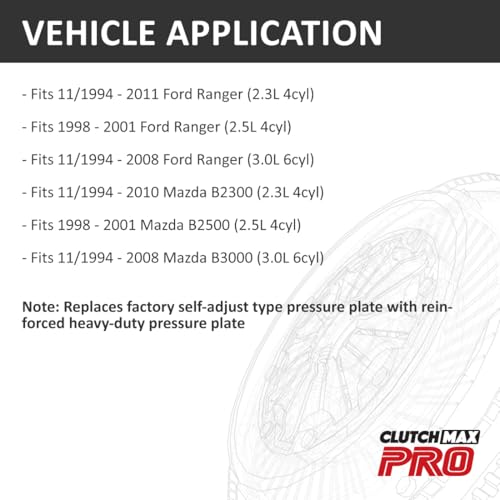
According to the supplied CMPRO fitment information, this kit is intended for the following applications:
| Vehicle | Engine | Supplied Fitment |
|---|---|---|
| Ford Ranger | 2.3L 4-cylinder | 11/1994–2011 |
| Ford Ranger | 2.5L 4-cylinder | 1998–2001 |
| Ford Ranger | 3.0L V6 | 11/1994–2008 |
| Mazda B2300 | 2.3L 4-cylinder | 11/1994–2010 |
| Mazda B2500 | 2.5L 4-cylinder | 1998–2001 |
| Mazda B3000 | 3.0L V6 | 11/1994–2008 |
Because the supplied listing uses production-month cutoffs on several applications, verify the exact build date and drivetrain before ordering.
Important Model-Year Note
The listing presents some applications as:
11/1994 and later
rather than simply beginning with the 1995 model year.
That distinction matters.
A truck built late in 1994 may fall into the newer clutch configuration even though another truck from the same calendar year may not.
Always verify:
model year + production date + engine + transmission
before purchasing.
Ford Ranger 2.3L Fitment
CMPRO lists this kit for select:
11/1994–2011 Ford Ranger 2.3L 4-cylinder
applications.
Because the Ranger 2.3L span covers multiple engine generations and transmission combinations, do not assume that every 2.3L Ranger automatically uses the same clutch.
Confirm the exact vehicle configuration first.
Ford Ranger 2.5L Fitment
The supplied application list includes:
1998–2001 Ford Ranger 2.5L 4-cylinder
models.
This is a narrower fitment window and should remain separate from the 2.3L application.
Do not assume that Ranger 2.3L and 2.5L clutch parts are interchangeable simply because the trucks share the same basic platform.
Ford Ranger 3.0L Fitment
CMPRO also lists:
11/1994–2008 Ford Ranger 3.0L V6
applications.
The 3.0L truck uses a different engine family from the 2.3L and 2.5L four-cylinder applications, but the supplied clutch package is marketed to cover the specified drivetrain combinations.
Again, verify the transmission and production date.
Mazda B2300 Fitment
The supplied listing includes select:
11/1994–2010 Mazda B2300 2.3L
applications.
The Mazda B-Series pickups of this period shared substantial drivetrain and chassis architecture with the Ford Ranger, which is why many clutch components cross over between the two platforms.
That does not mean every B2300 and Ranger clutch is identical, so application verification still matters.
Mazda B2500 Fitment
CMPRO lists:
1998–2001 Mazda B2500 2.5L
applications.
As with the Ranger 2.5L, this is a relatively narrow fitment range.
Verify the truck’s exact year and manual-transmission configuration before installation.
Mazda B3000 Fitment
The supplied fitment includes:
11/1994–2008 Mazda B3000 3.0L V6
applications.
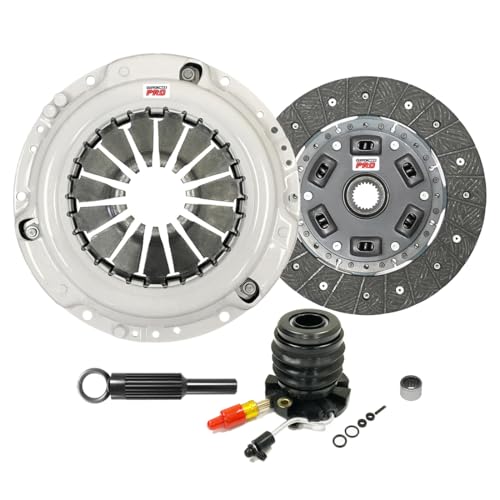
For compatible trucks, this kit provides the clutch, pressure plate and hydraulic release assembly in one package.
What Comes in the Kit?
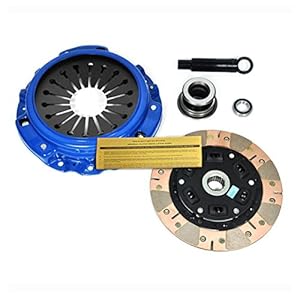
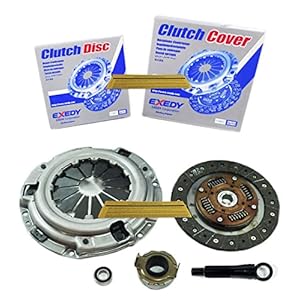
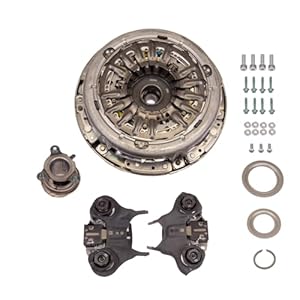
According to the manufacturer-supplied description, the CMPRO package includes:
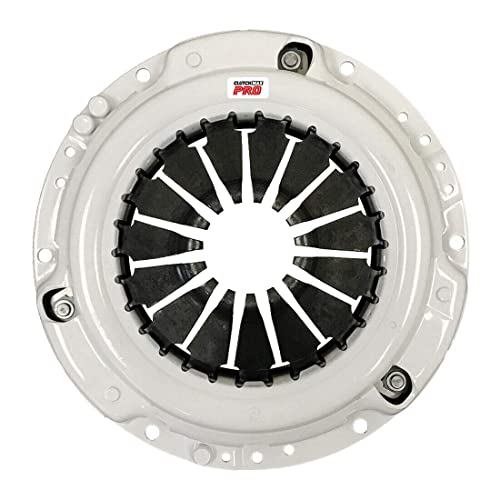
- 1 × reinforced OE-grade pressure plate
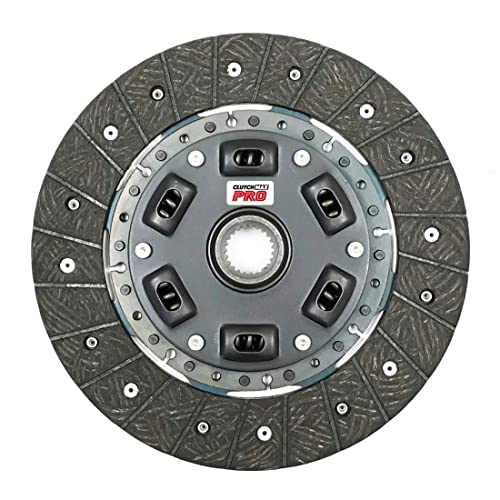
- 1 × heavy-duty OE-grade clutch disc
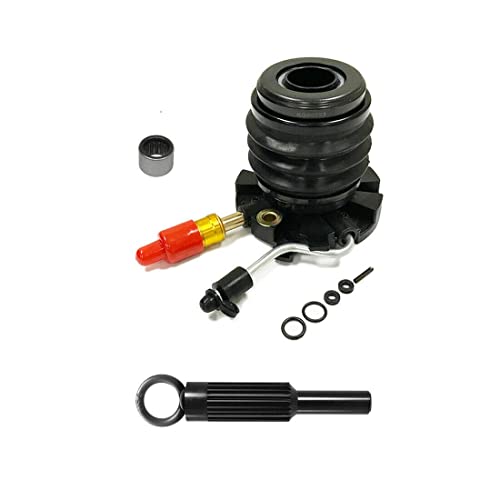
- 1 × HD concentric slave cylinder/release-bearing assembly
- 1 × HD pilot bearing
- 1 × clutch alignment tool
- 1 × installation guide
That makes this a more complete service package than a clutch kit containing only a disc and pressure plate.
9-1/8″ Clutch Disc
The supplied clutch-disc specification is:
9-1/8 inches in diameter.
The hub is specified as:
1-1/32″ × 23 spline.
These dimensions are critical fitment details.
The clutch disc must correctly mate with the transmission input shaft.
A disc can be the correct diameter but still be incompatible if the:
- Spline count
- Hub diameter
- Flywheel
- Pressure plate
- Transmission input shaft
do not match.
23-Spline Input Configuration
The supplied kit uses a:
23-spline clutch-disc hub.
This should be confirmed before installation, particularly on older Rangers and B-Series trucks where previous drivetrain swaps or transmission replacements may have changed the original configuration.
For a heavily modified or unknown truck, identify the transmission rather than trusting the badge on the fender.
Reinforced Pressure Plate
One of the most important features of this kit is the pressure plate.
CMPRO states that the kit replaces the factory:
self-adjusting pressure plate
with a:
reinforced heavy-duty pressure plate.
The goal is to provide improved durability and load capacity while retaining an OEM-style driving application.
What Is a Self-Adjusting Pressure Plate?
Some factory clutch systems use a self-adjusting mechanism intended to maintain clutch characteristics as the friction disc wears.
The CMPRO kit uses a different design approach.
According to the supplied product description, its reinforced pressure plate replaces the factory self-adjusting style.
That means the replacement should be treated as a complete matched system.
Do not mix and match the CMPRO disc and pressure plate with random factory components unless the manufacturer specifically approves the combination.
OEM-Style Does Not Mean Genuine Ford or Mazda
The listing describes the clutch as:
OEM / OE Grade.
That should not be interpreted as genuine Ford, Motorcraft or Mazda original-equipment parts.
Unless documentation proves otherwise, the correct description is:
aftermarket OEM-style replacement clutch kit.
Avoid calling it:
- Genuine Ford clutch
- Genuine Mazda clutch
- Motorcraft clutch
- Factory OEM clutch
The kit is designed to replace the original system, not necessarily to come from the original vehicle manufacturer.
Concentric Slave Cylinder Included
A major advantage of this kit is the included:
CSC slave cylinder and release-bearing assembly.
On many Ranger and Mazda B-Series manual-transmission applications, the slave cylinder is located inside the bellhousing around the transmission input shaft.
That means replacing it requires transmission removal.
Because the transmission is already out during clutch service, replacing the internal slave cylinder at the same time can make considerable sense.
Why Replace the Slave Cylinder During a Clutch Job?
An internal slave cylinder can fail because of:
- Seal deterioration
- Fluid leakage
- Bearing wear
- Age
- Heat
- Contamination
If the old slave cylinder is reused and fails shortly afterward, the transmission may need to be removed again.
That turns one clutch job into two transmission-removal jobs.
Most people only need to experience that once before deciding the new slave cylinder was worth it.
Release Bearing Is Part of the CSC Assembly
On a concentric hydraulic system, the release bearing and slave-cylinder functions are combined into one assembly.
When hydraulic pressure is applied, the CSC moves the release bearing into the pressure plate.
This arrangement eliminates some of the external clutch-fork hardware found on older systems.
It also makes correct installation and hydraulic bleeding especially important.
Pilot Bearing Included
The kit also contains a:
pilot bearing.
The pilot bearing supports the transmission input shaft where applicable.
Because it is accessible during clutch replacement, installing the supplied replacement component can help avoid future noise or input-shaft support issues.
Follow the correct service procedure for the exact engine and transmission.
Inspect the Flywheel
Before installing the new clutch, inspect the flywheel carefully.
Look for:
- Heat spots
- Scoring
- Cracks
- Grooves
- Uneven wear
- Glazing
The flywheel should be resurfaced or replaced according to the correct service specifications and clutch manufacturer’s instructions.
A fresh clutch against a badly damaged flywheel is an excellent way to make a new clutch behave like an old one.
Check the Rear Main Seal
With the transmission removed, inspect the rear of the engine for oil leakage.
A leaking rear main seal can contaminate the clutch disc and cause:
- Slipping
- Chatter
- Burning odor
- Premature failure
Repair active leaks before installing the new friction components.
Inspect the Transmission Input Seal
Transmission fluid can also contaminate a clutch.
Inspect around the input shaft and bellhousing for evidence of leakage.
Any active transmission seal problem should be corrected before installing the new kit.
Bleeding the New Slave Cylinder
After installation, the hydraulic clutch system must be properly bled.
Air trapped in the system can cause:
- Low pedal
- Incomplete clutch release
- Hard shifting
- Gear grinding
- Inconsistent engagement
Use the correct procedure for the actual Ranger or Mazda B-Series application.
Some hydraulic systems can be more stubborn to bleed than expected, so do not assume a poor pedal automatically means the new clutch itself is defective.
Inspect the Clutch Master Cylinder
A new internal slave cylinder cannot compensate for a failing master cylinder.
Inspect the clutch master cylinder for:
- External leaks
- Internal bypass
- Poor pedal pressure
- Contaminated fluid
If the hydraulic system has been neglected for years, consider its overall condition rather than replacing only one component.
Check the Hydraulic Line
Inspect the clutch hydraulic line for:
- Cracks
- Abrasion
- Corrosion
- Damaged fittings
- Leaks
Any leak can introduce air and prevent complete clutch release.
Clutch Alignment
The clutch disc must be centered before installing the transmission.
Use the supplied alignment tool to position the disc correctly within the pressure plate and pilot location.
If the disc is off-center, the transmission input shaft may refuse to slide into place.
This is usually the point where people start questioning every life decision that led to removing a Ranger transmission in the driveway.
Alignment first.
Transmission second.
Pressure-Plate Installation
Install the pressure plate evenly.
Bolts should generally be tightened:
- Gradually
- In sequence
- In multiple steps
- To the specified torque
Do not fully tighten one bolt while the others remain loose.
Use the correct service-manual torque specifications for the exact application.
Clutch Break-In
Follow CMPRO’s current break-in instructions for the kit.
A new clutch typically benefits from a period of normal engagement cycles before being subjected to:
- Hard launches
- Heavy towing
- Aggressive shifting
- Full-throttle clutch drops
The goal is to allow the friction surfaces to mate evenly.
Manufacturer-specific instructions should always take priority over generic clutch advice.
Is This a Performance Clutch?
This particular product is better described as a:
heavy-duty OEM-style replacement
rather than an aggressive Stage 2 or competition clutch.
Its design is intended to improve durability and load capacity while retaining more conventional street characteristics.
That makes it particularly relevant to:
- Daily-driven Rangers
- Work trucks
- Older B-Series pickups
- Light-duty hauling
- Stock or mildly modified applications
Drivers building a high-output turbocharged or competition truck should select a clutch based on actual torque requirements instead.
Good Choice for a Daily-Driven Ranger
For a mostly stock manual-transmission Ranger, the advantages of this package are straightforward.
It includes most of the major wear components involved in clutch service:
- Disc
- Pressure plate
- Slave cylinder
- Release bearing
- Pilot bearing
That makes it a practical replacement package for an aging truck that needs a complete clutch overhaul rather than one isolated part.
Ranger Work-Truck Applications
Older Rangers are still frequently used as:
- Commuters
- Shop trucks
- Parts runners
- Light-duty work trucks
- Utility vehicles
For those applications, predictable engagement and durability may matter more than aggressive clutch capacity.
This kit is positioned toward that type of use.
Mazda B-Series Owners Should Pay Attention
Mazda B2300, B2500 and B3000 owners often encounter fewer product listings than equivalent Ranger owners.
Because of the shared platform architecture, many compatible Ranger drivetrain components can also service Mazda B-Series trucks.
The exact application should still be verified.
Do not assume compatibility based only on visual similarity.
Symptoms of a Worn Clutch
Common signs include:
- Engine RPM rises without matching acceleration
- Clutch slips under load
- Burning friction smell
- Chatter during engagement
- High engagement point
- Difficulty shifting
- Poor acceleration under load
Diagnosis should come before parts replacement.
Symptoms of a Failing Slave Cylinder
A hydraulic slave-cylinder problem can produce different symptoms, including:
- Soft clutch pedal
- Pedal sinking toward floor
- Difficulty disengaging clutch
- Hard shifting
- Gear grinding
- Fluid loss
- Inconsistent pedal feel
A leaking internal CSC may also leave hydraulic fluid inside the bellhousing.
That can contaminate clutch components.
Clutch Problem or Hydraulic Problem?
One of the more common diagnostic mistakes is assuming every clutch-release problem requires a new friction disc.
For example:
Engine revs but truck does not accelerate
More likely clutch slipping.
Pedal becomes soft and clutch will not release
More likely hydraulic system problem.
Grinding when selecting gears
Could involve incomplete clutch release, hydraulics, transmission synchronizers or adjustment.
Diagnosis matters.
Otherwise the parts cannon will cheerfully replace everything except the failed component.
Who Should Consider This CMPRO Kit?
This package is most relevant for compatible manual-transmission:
- Ford Ranger 2.3L
- Ford Ranger 2.5L
- Ford Ranger 3.0L
- Mazda B2300
- Mazda B2500
- Mazda B3000
owners looking for a comprehensive clutch replacement package with an included internal slave cylinder.
Who Should Not Order It Without More Verification?
Double-check fitment if:
- The truck has an engine swap
- The transmission has been replaced
- Production date is unknown
- The vehicle has a non-original drivetrain
- The input shaft differs from 23 spline
- The truck falls near a production cutoff
Older compact pickups often have decades of previous repairs behind them.
Verify what is actually in the truck.
Warranty
CMPRO advertises a limited manufacturer warranty of:
12 months or 15,000 miles.
Actual warranty coverage may depend on:
- Installation procedure
- Vehicle application
- Intended use
- Proof of purchase
- Product condition
- Manufacturer exclusions
Check the current warranty terms before installation.
Fitment Checklist
Before ordering this kit, verify:
Make → Model → Model Year → Build Date → Engine → Transmission → Spline Count
Ford Ranger
- 2.3L: 11/1994–2011 where specified
- 2.5L: 1998–2001
- 3.0L: 11/1994–2008 where specified
Mazda B-Series
- B2300 2.3L: 11/1994–2010 where specified
- B2500 2.5L: 1998–2001
- B3000 3.0L: 11/1994–2008 where specified
Final Take
The CMPRO Ranger and Mazda B-Series Heavy-Duty OEM Clutch Kit stands out because it combines the major clutch friction components with the internal hydraulic release system.
You get:
9-1/8″ heavy-duty clutch disc
1-1/32″ × 23-spline hub
reinforced pressure plate
concentric slave cylinder/release bearing
pilot bearing
and:
alignment hardware
in one package.
For an older Ranger, B2300, B2500 or B3000 that needs a full clutch overhaul, replacing these components together can make far more sense than saving a few dollars by reusing an old internal slave cylinder.
The critical step is still fitment.
Pay particular attention to the 11/1994 production cutoffs, engine size and transmission configuration before ordering.








There are no reviews yet.