
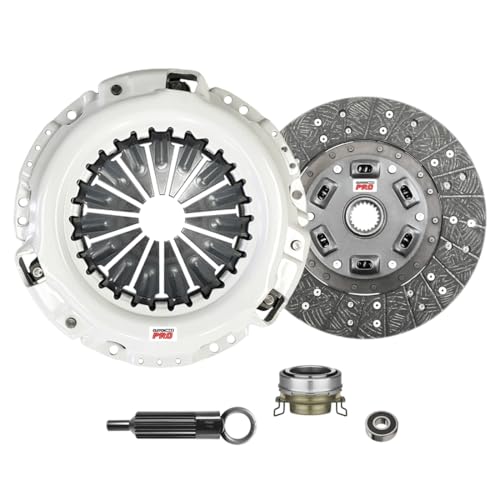
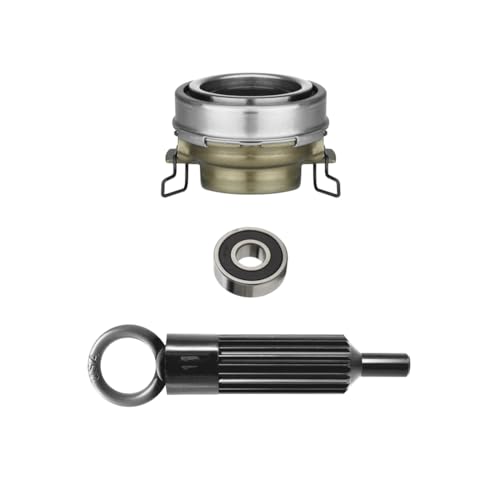
ClutchMaxPRO OEM Clutch Kit for Toyota Tacoma, 4Runner and T100
The ClutchMaxPRO OEM clutch kit is a heavy-duty replacement for selected manual-transmission Toyota Tacoma, 4Runner and T100 pickups powered by the 2.4L 2RZ-FE or 2.7L 3RZ-FE four-cylinder engine.
It includes a full-face OEM-style clutch disc, reinforced pressure plate and installation components intended to restore smooth engagement and dependable street or work-truck operation.
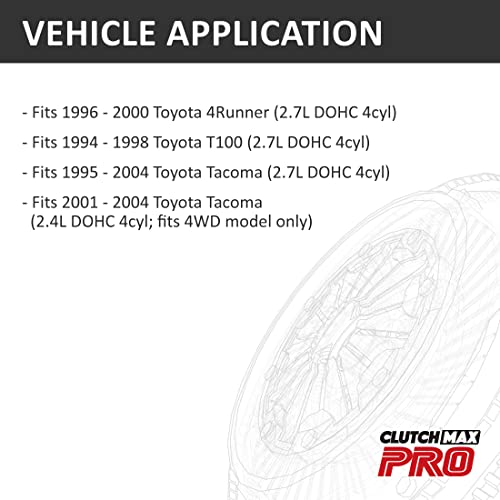
Corrected vehicle fitment
| Years | Make | Model | Engine | Drivetrain requirement |
|---|---|---|---|---|
| 1996–2000 | Toyota | 4Runner | 2.7L 3RZ-FE | Manual transmission |
| 1994–1998 | Toyota | T100 | 2.7L 3RZ-FE | Manual transmission |
| 1995–2004 | Toyota | Tacoma | 2.7L 3RZ-FE | Manual; 2WD or 4WD where equipped |
| 2001–2004 | Toyota | Tacoma | 2.4L 2RZ-FE | Manual 2WD only |
Important correction
The supplied listing says the 2001–2004 Tacoma 2.4L fits “4WD only.” That is incorrect for North American first-generation Tacomas. Toyota used the 2.4L 2RZ-FE in 2WD trucks, while 4WD Tacomas used the 2.7L 3RZ-FE or optional V6.
Do not publish the 2.4L application as 4WD fitment. That would send buyers searching for a drivetrain combination Toyota did not offer—which is certainly one way to keep the returns department busy.
$93.99
Fitment requirements
Before ordering, verify:
- Manual transmission
- Engine code: 2RZ-FE or 3RZ-FE
- Two- or four-wheel drive
- Clutch-disc diameter
- Input-shaft diameter
- Spline count
- Vehicle production date
- Exact ClutchMaxPRO kit number
The Toyota 2.4L and 2.7L engines are related, but drivetrain configurations differ between the Tacoma, T100 and 4Runner. Match the kit using the complete vehicle specification rather than engine displacement alone.
Use the NHTSA VIN decoder to confirm basic vehicle details, followed by the ClutchMaxPRO application catalog and transmission identification.
Kit contents
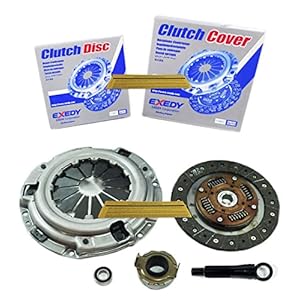
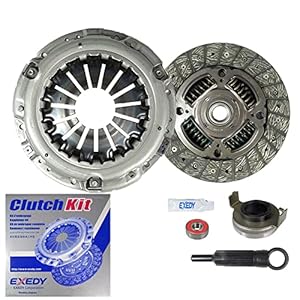
The package includes:
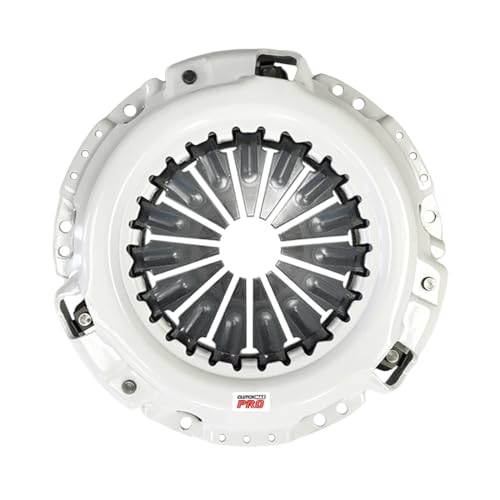
- OEM-style heavy-duty pressure plate
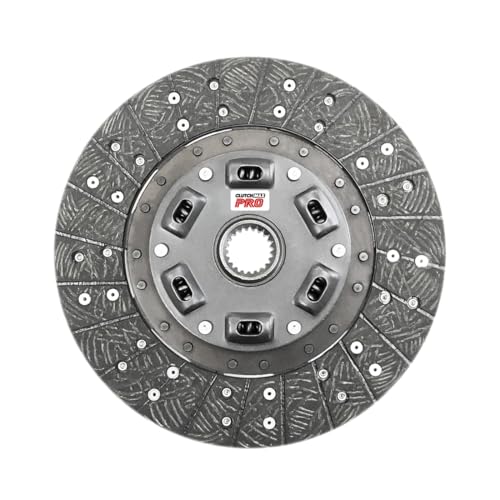
- OEM-style full-face clutch disc
- Release or throwout bearing
- Pilot bearing
- Clutch alignment tool
- Installation guide
Published specifications
| Specification | Detail |
|---|---|
| Disc diameter | 9-7/8 inches |
| Input-shaft diameter | 1-3/16 inches |
| Spline count | 21 |
| Disc configuration | Full-face OEM style |
| Pressure plate | Heavy-duty |
| Flywheel included | No |
| Warranty | 12 months or 15,000 miles |
The kit does not list a flywheel, slave cylinder, clutch master cylinder or replacement hydraulic line.
OEM-style clutch performance
This is positioned as an upgraded original-equipment replacement rather than an aggressive racing clutch. Its full-face disc should provide smoother engagement than a ceramic puck-style assembly.
Expected characteristics include:
- Progressive engagement
- Street-friendly pedal behavior
- Smooth low-speed operation
- Improved clamping consistency
- Suitable performance for stock engines
- Reasonable operation for work-truck use
ClutchMaxPRO does not provide a horsepower or torque rating in the supplied information. Owners of turbocharged or otherwise heavily modified 2RZ/3RZ engines should obtain a documented torque limit before ordering.
Read the Pro Street performance clutch guide for more information about clutch materials and holding capacity.
Suitable applications
This clutch kit makes sense for:
- Daily-driven first-generation Tacomas
- 2.7L four-cylinder 4Runners
- 2.7L Toyota T100 work trucks
- 2WD 2.4L Tacoma models
- Stock or mildly modified engines
- Trucks used for commuting and moderate hauling
- Owners wanting factory-style engagement
A stock-style clutch is usually preferable for off-road maneuvering and utility use because it offers a broader engagement range than a racing clutch. That makes controlled starts on hills or uneven terrain easier.
Signs the Toyota clutch may be failing
Common symptoms include:
- Engine speed increasing without matching acceleration
- Slipping in higher gears
- Burning clutch odor
- Engagement near the top of pedal travel
- Chatter during takeoff
- Difficulty shifting
- Release-bearing noise
- Reduced pulling ability under load
Clutch problems can also be caused by hydraulic faults, oil contamination, worn mounts or a damaged flywheel. Diagnose the system before ordering parts.
Browse the Toyota technical archive or visit the complete My Pro Street DIY library for more repair information.
Installation considerations
Replacing the clutch requires transmission removal, making this the right time to inspect:
- Flywheel surface and runout
- Rear main engine seal
- Transmission input-shaft seal
- Release fork and pivot
- Clutch master cylinder
- Slave cylinder
- Hydraulic hose
- Engine and transmission mounts
- Driveshaft joints
- Transmission output seal
The original flywheel should be inspected for:
- Heat checking
- Cracks
- Scoring
- Excessive wear
- Warpage
- Damaged ring-gear teeth
Resurface the flywheel only when it remains within Toyota’s service limits. Replace it if the friction surface is cracked, excessively worn or otherwise unsuitable.
Installation procedure
Before installing the kit:
- Confirm the engine and transmission codes.
- Compare the new disc with the removed clutch.
- Verify the 21-spline, 1-3/16-inch hub.
- Check the clutch disc’s installation direction.
- Clean all friction surfaces.
- Inspect the flywheel and release system.
- Tighten the pressure plate gradually and evenly.
- Use the factory torque specifications.
- Bleed and adjust the hydraulic system as required.
Avoid allowing grease, oil or fingerprints onto the clutch friction surfaces. A contaminated new disc can slip immediately and produce a repair bill with impressive repeatability.
Break-in period
Follow the instructions included with the exact ClutchMaxPRO kit. A full-face replacement clutch commonly requires several hundred miles of moderate street use.
During break-in:
- Avoid hard launches
- Do not tow heavy loads
- Avoid full-throttle acceleration
- Minimize excessive clutch slipping
- Use smooth engagement cycles
- Avoid holding the truck on hills with the clutch
Highway mileage alone produces few clutch engagements and should not make up the entire break-in period.
Warranty
The kit is advertised with a 12-month or 15,000-mile limited warranty covering qualifying problems involving fitment, materials and function.
Keep:
- Proof of purchase
- Installation invoice
- Flywheel machining receipt
- Photographs of the original components
- ClutchMaxPRO packaging and part labels
- Documentation showing the correct break-in procedure
Warranty coverage may be denied when failure results from incorrect fitment, improper installation, contamination, racing or abuse.
Final verdict
The ClutchMaxPRO OEM kit is a practical replacement for compatible four-cylinder Toyota trucks and SUVs. Its heavy-duty pressure plate and full-face disc should preserve reasonable street manners while restoring dependable clutch operation.
The important correction is the 2.4L Tacoma application: 2001–2004 2RZ-FE trucks are 2WD applications, not 4WD. Confirm the engine, drivetrain, transmission and complete kit number before ordering.
Browse additional replacement and performance parts at ProStreetOnline or visit My Pro Street for more Toyota repair and upgrade guides.
Specification: ClutchMaxPRO OEM Clutch Kit for Toyota Tacoma, 4Runner and T100
|
User Reviews
Be the first to review “ClutchMaxPRO OEM Clutch Kit for Toyota Tacoma, 4Runner and T100”
You must be logged in to post a review.




There are no reviews yet.