
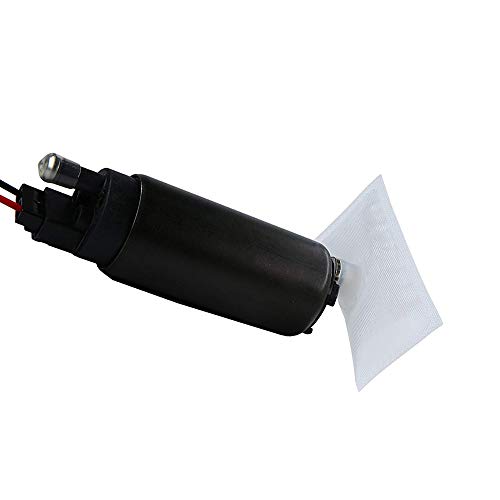
A ABIGAIL GSS342 HFP-342 Specifications
The pump is rated at:
Fuel Flow: 255 LPH @ 43 PSI
High-Pressure Flow: Approximately 190 LPH @ 80 PSI
Operating Pressure: 15–90 PSI
Electrical System: 12V EFI vehicles
Fuel Compatibility: Gasoline, E85 and lower-ethanol gasoline blends
Installation: Universal in-tank
Part Numbers: GSS342 / HFP-342
Final fuel pressure is determined by the vehicle’s fuel-pressure regulator rather than the pump itself.
That’s an important distinction when upgrading a fuel system: pump flow and fuel pressure are related, but they’re not the same thing.
Why Upgrade to a 255LPH Fuel Pump?
Factory fuel pumps are designed around the original engine’s fuel requirements. Once you start adding airflow and horsepower, the amount of fuel required under load increases.
Common upgrades that can increase fuel demand include:
- Turbocharger installations
- Supercharger systems
- Increased boost pressure
- Larger fuel injectors
- ECU tuning
- E85 conversions
- Engine swaps
- High-compression builds
- Aggressive naturally aspirated modifications
A 255LPH high-flow fuel pump provides additional capacity for many modified EFI applications without immediately stepping into much larger 340LPH, 450LPH or dual-pump fuel systems.
For more information on choosing the right capacity, read our guide on how to upgrade a fuel pump.
255LPH at 43 PSI and 190LPH at 80 PSI
One of the most useful specifications provided for the HFP-342 is its flow at two different pressures.
The pump is rated at approximately:
255 LPH at 43 PSI
and
190 LPH at 80 PSI
Why does that matter?
Electric fuel pumps generally deliver less volume as operating pressure increases. A pump advertised as “255LPH” therefore won’t necessarily deliver 255 liters per hour under every operating condition.
This becomes especially important on turbocharged engines.
For example, a boost-referenced regulator typically increases fuel pressure as manifold pressure rises. The pump therefore has to maintain sufficient fuel volume while working against increasing pressure.
That’s why buying a pump based entirely on the giant 255LPH number on the box is about as scientific as choosing a turbo based on which compressor housing looks coolest.
Designed for E85 Performance Builds
The HFP-342’s listed E85 compatibility makes it particularly attractive for turbocharged and high-performance vehicles moving away from conventional gasoline.
However, installing an E85-compatible pump doesn’t automatically make the rest of the fuel system ethanol-ready.
Older fuel hoses, seals and other components may need to be replaced with ethanol-compatible alternatives.
Our guide to upgrading fuel lines for E85 covers the additional considerations involved in preparing a fuel system for ethanol.
When converting an older performance vehicle, inspect the entire path from the tank to the injectors.
Match Your Fuel Injectors to the Pump
Increasing fuel-pump capacity won’t help if the injectors are already operating near their maximum useful duty cycle.
This is especially important with E85 because the increased fuel-volume requirement affects both pump and injector sizing.
If you’re increasing boost or making substantial engine modifications, use our guide to fuel injector upgrade benefits to understand why injector capacity should be evaluated alongside pump flow.
A properly designed performance fuel system should provide adequate capacity through the entire chain:
Fuel Tank → Pump → Filter → Fuel Lines → Regulator → Fuel Rail → Injectors
One undersized component can become the restriction.
Return or Returnless Fuel System?
Before installing a high-flow fuel pump, determine how your vehicle regulates fuel pressure.
Traditional return-style fuel systems use a regulator and return line to send excess fuel back to the tank. Many newer vehicles instead use mechanical or electronically controlled returnless arrangements.
Installing a higher-capacity pump can affect these systems differently.
Our returnless versus return fuel systems comparison explains how each configuration works and what builders should consider before significantly increasing fuel-pump capacity.
This becomes particularly important when converting a factory fuel system for turbocharging or E85.
Universal GSS342 / HFP-342 Fitment
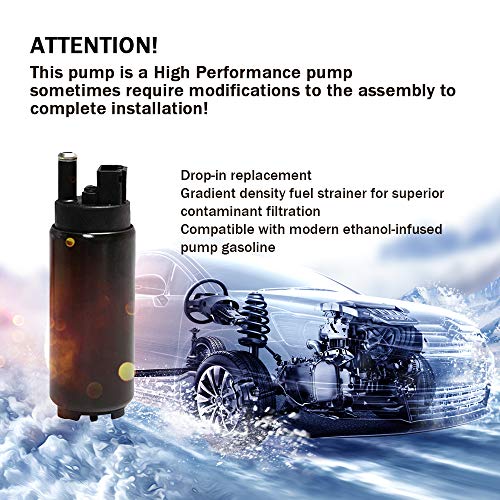
The A ABIGAIL 255LPH pump is a universal performance component and should not be assumed to physically replace every original fuel pump without modification.
The manufacturer specifically notes that pump diameter may differ from the original unit.
Depending on the application, installation may require changes to:
- Fuel-pump hanger
- Rubber isolator
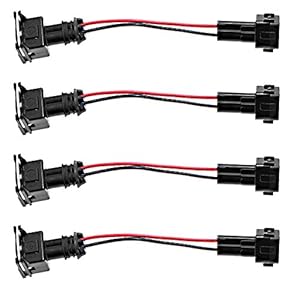
- Electrical connector
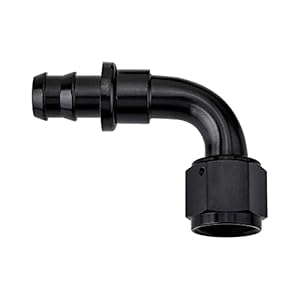
- Fuel hose
- Fuel filter or strainer
- Pump mounting arrangement
Always compare the new pump dimensions and connection points with the existing assembly before installation.
Professional installation is recommended when modification of the fuel-pump assembly or electrical system is required.
12-Volt EFI Applications
This pump is intended specifically for 12V electronic fuel-injection systems.
Adequate voltage at the pump is critical to maintaining fuel flow. Corroded connectors, undersized factory wiring, poor grounds or voltage drop can prevent a high-flow pump from reaching its intended performance.
Performance builds should verify fuel-pump voltage under load and inspect the existing wiring before assuming the pump itself is responsible for low fuel pressure.
An upgraded relay and power circuit may be appropriate on some applications.
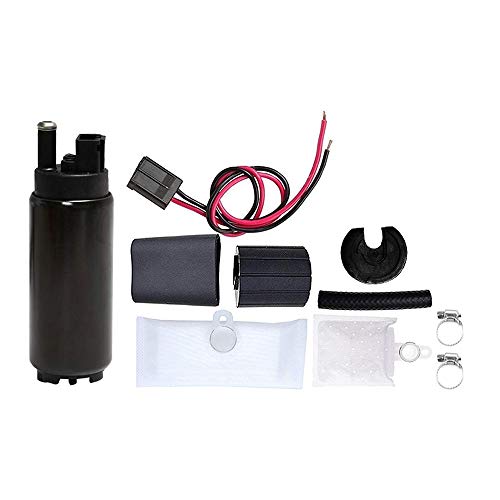
Installation Kit Included
The A ABIGAIL HFP-342 includes an 8-piece installation kit with the basic components needed for many universal installations.
Package contents include:
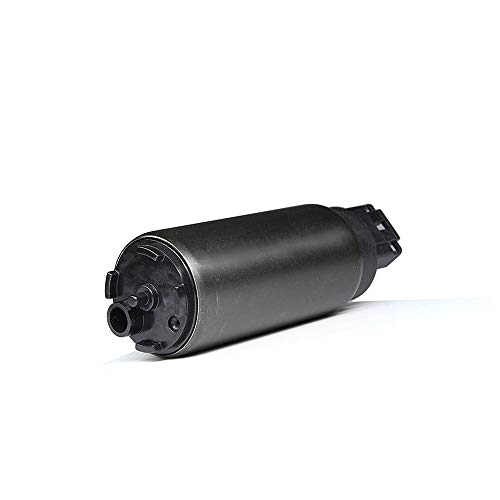
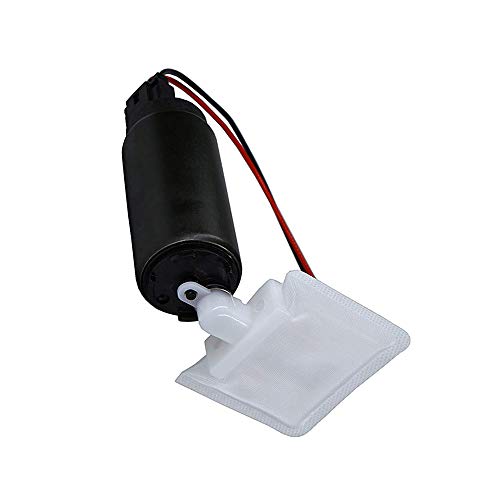
- 1 × 255LPH Electric Fuel Pump
- 2 × Fuel Filters/Strainers
- 1 × Electrical Wire Plug
- 1 × Fuel Hose
- 1 × Rubber Sleeve
- 1 × Rubber Base
- 2 × Clamps
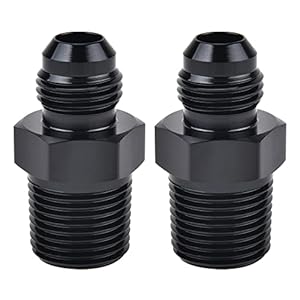
Because this is a universal pump, additional application-specific hoses, filters, fittings or mounting components may still be required.
Ideal Applications
The A ABIGAIL GSS342 HFP-342 255LPH fuel pump is a strong candidate for:
- E85 conversions
- Flex-fuel builds
- Turbocharged street cars
- Supercharged engines
- Larger injector upgrades
- ECU-tuned vehicles
- Engine swaps
- Street/strip builds
- Track cars
- Modified import vehicles
- Modified domestic vehicles
- High-performance 12V EFI systems
Actual horsepower capability depends on fuel type, fuel pressure, voltage, injector size, engine efficiency and the rest of the fuel system.
Why Choose the A ABIGAIL 255LPH E85 Fuel Pump?
The biggest advantage of this pump is the combination of 255LPH performance flow, high-pressure capability and stated E85 compatibility in a universal in-tank package.
For gasoline builds, it provides additional fuel-system headroom over many factory pumps.
For E85 builds, its ethanol compatibility makes it a more appropriate starting point than a generic pump whose manufacturer doesn’t specify compatibility with alcohol-based fuel.
Most importantly, match the pump to your actual power goal.
A properly sized fuel system gives the tuner room to safely deliver the fuel the engine requires. A pump operating at its absolute limit gives you something else entirely: an exciting opportunity to price replacement pistons.
Product Specifications
Brand: A ABIGAIL
Model / Part Number: GSS342 / HFP-342
Product Type: High-Flow In-Tank Electric Fuel Pump
Rated Flow: 255 LPH @ 43 PSI
High-Pressure Flow: Approximately 190 LPH @ 80 PSI
Operating Pressure: 15–90 PSI
Electrical System: 12V EFI
Fuel Compatibility: Gasoline, E85 and gasoline/ethanol blends below E85
Fitment: Universal / application dependent
Installation Kit: 8 pieces
Installation: Professional installation recommended
Fitment Note: This is a universal performance fuel pump. Verify physical dimensions, electrical requirements, fuel compatibility, hose connections, strainer position and fuel-pump hanger compatibility before ordering.






There are no reviews yet.