

Non-Greasy Matte Finish – No Artificial Shine
Some automotive protectants leave dashboards and trim looking excessively glossy, slippery, or wet.
303 Automotive Protectant takes a different approach.
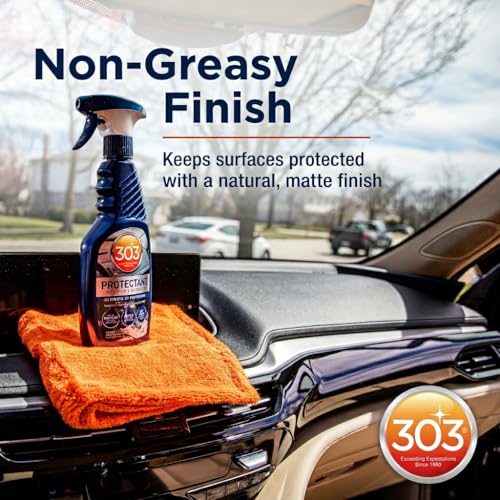
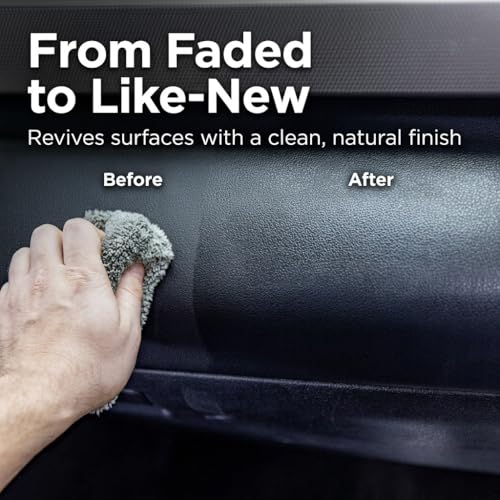
Its formula is designed to leave a natural-looking matte finish that enhances the appearance of treated surfaces without creating an oily residue.
This makes it especially appealing for enthusiasts who want to maintain an original factory appearance.
Key finish benefits include:
-
Smooth, dry-to-the-touch surface.
-
No intentional greasy buildup.
-
Natural matte appearance.
-
Reduced attraction of dust and lint.
-
No exaggerated artificial gloss.
-
Suitable for properly maintained OEM-style interiors.
For owners of restored classics, modified Japanese performance cars, and meticulously detailed daily drivers, preserving a factory-style finish is often preferable to an overly shiny dashboard.
Repels Dust, Dirt, Lint, and Staining
303 Automotive Protectant does more than help defend surfaces against sunlight.
Its protective formula is also designed to help repel everyday contaminants that can make interiors and exterior trim look dirty.
Dust and lint frequently collect on dashboards, center consoles, and textured plastic panels, especially in vehicles used for daily commuting.
303 helps reduce the adhesion of these contaminants, making subsequent cleaning and maintenance more convenient.
This can be especially useful for vehicles exposed to dusty environments, outdoor parking, and frequent passenger use.
Interior and Exterior Protection in One Bottle
One of the biggest advantages of 303 Automotive Protectant is its versatility.
Instead of purchasing separate products for every compatible vinyl, plastic, and rubber component, this 16 oz spray can be used across a wide variety of automotive surfaces.
| Surface | Primary benefit |
|---|---|
| Vinyl dashboards | UV protection and matte appearance |
| Interior plastic trim | Helps reduce fading and dust accumulation |
| Vinyl door panels | Maintains color and natural texture |
| Exterior plastic trim | Protects against environmental exposure |
| Rubber weatherstripping | Helps maintain appearance and condition |
| Synthetic rubber components | UV protection where compatible |
| Vinyl convertible tops | Surface protection when approved |
| Marine gel coat | UV protection and appearance maintenance |
| Outdoor vinyl furniture | Helps reduce sun-related deterioration |
Important: Do not use 303 Automotive Protectant on unfinished leather, fabric, clear plastic, gauge panels, or headlights. Avoid steering wheels, pedals, tire tread, and other surfaces where reduced friction could create a safety hazard.
Protect Your Vehicle’s Interior From Sun Damage
Interior plastics and vinyl are frequently exposed to direct sunlight through the windshield and side windows.
This exposure is particularly concerning for older vehicles, where replacement dashboard components and original trim pieces may be difficult or expensive to source.
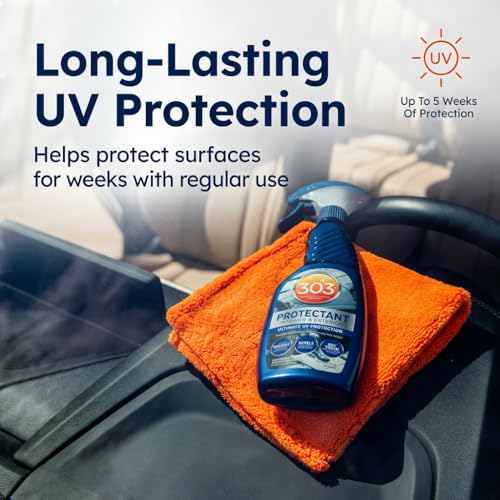
303 Automotive Protectant helps maintain the appearance of compatible interior materials through regular UV-protective treatment.
For example, owners restoring older Honda Civics, Toyota Supras, Nissan 240SX models, and first-generation Lexus IS300s often prioritize preserving original interior trim.
Regular cleaning and protection can help keep these components looking their best.
For additional automotive maintenance and restoration advice, visit My Pro Street Online.
Restore and Maintain Exterior Plastic and Rubber Trim
Exterior automotive trim faces continuous exposure to sunlight, rain, road grime, and temperature changes.
Over time, these conditions can cause plastic and rubber surfaces to appear dull, faded, or weathered.
303 Automotive Protectant helps preserve the natural appearance of compatible exterior materials without creating the overly glossy finish associated with some trim dressings.
Common applications include:
-
Exterior plastic trim pieces.
-
Compatible rubber seals and weatherstripping.
-
Vinyl exterior accessories.
-
Plastic bumper trim.
-
Rubber components exposed to sunlight.
-
Selected recreational vehicle surfaces.
For enthusiasts who prefer a clean, understated appearance, 303 provides a practical alternative to glossy trim dressings.
How to Apply 303 Automotive Protectant Correctly
Unlike products designed to air-dry, 303 Automotive Protectant must be wiped completely dry after application.
Following the correct application process helps prevent streaking and uneven residue.
-
Clean the surface thoroughly. Remove dirt, grease, dust, and existing contamination before applying the protectant.
-
Verify material compatibility. Test a small, inconspicuous area before treating the entire surface.
-
Apply the protectant. Spray a light, even amount onto the compatible surface or a microfiber applicator. Avoid spraying directly near sensitive electronics.
-
Spread evenly. Distribute the product across the surface using a clean microfiber towel.
-
Wipe completely dry. Immediately remove excess product using a separate clean, dry microfiber towel.
-
Correct any streaking. If streaks appear, use a damp towel to remove excess product, then immediately wipe the surface dry.
-
Reapply periodically. The manufacturer recommends application every 3–5 weeks for maximum UV protection.
Pro detailing tip: More protectant doesn’t mean more protection. Apply a thin, even layer and buff completely dry. Excess product left on the surface can cause streaking and an uneven finish.
303 Automotive Protectant vs. Traditional Interior Dressings
| Feature | 303 Automotive Protectant | Conventional interior dressing |
|---|---|---|
| UV protection | Yes | Product-dependent |
| Finish | Natural matte | Matte to high-gloss |
| Greasy residue | Non-greasy when applied correctly | Varies |
| Dust repellency | Yes | Product-dependent |
| Interior use | Yes | Usually |
| Exterior use | Yes, compatible surfaces | Product-dependent |
| Rubber protection | Yes | Varies |
| Recommended reapplication | Every 3–5 weeks | Varies |
| Application | Spray, spread, wipe dry | Varies |
303 Automotive Protectant is particularly well suited for drivers who prioritize UV protection and a natural-looking finish rather than dramatic gloss.
Ideal for Automotive Restoration, Daily Drivers, and Show Cars
303 Automotive Protectant is a versatile addition to nearly any automotive detailing collection.
Classic and Restored Cars: Help preserve original vinyl dashboards, interior trim, and rubber components.
Daily Drivers: Maintain clean, protected interior surfaces exposed to regular sunlight.
Performance Cars: Keep modified or restored vehicles looking clean without an overly glossy interior finish.
Trucks and SUVs: Protect compatible exterior plastic trim, rubber seals, and interior surfaces.
Show Vehicles: Maintain a natural, factory-style finish on carefully detailed interiors and exterior trim.
Boats and Recreational Vehicles: Protect compatible vinyl, rubber, plastic, and gel coat surfaces against environmental exposure.
Whether you’re restoring a classic Japanese sports car or maintaining a modern family SUV, 303 Automotive Protectant offers a convenient way to help preserve the appearance of compatible materials.
Product Specifications
| Specification | Details |
|---|---|
| Brand | 303 Products |
| Product | Automotive Protectant |
| Size | 16 fl oz |
| Product type | UV protectant for vinyl, plastic, and rubber |
| Finish | Matte, non-greasy |
| UV protection | Yes |
| Dust and dirt repellency | Yes |
| Interior application | Yes |
| Exterior application | Yes |
| Compatible materials | Vinyl, plastic, rubber, gel coat, and other approved surfaces |
| Recommended application interval | Every 3–5 weeks |
| Application method | Spray, spread, and wipe completely dry |
| Not recommended for | Unfinished leather, fabric, clear plastic, gauge panels, headlights |
Frequently Asked Questions
Does 303 Automotive Protectant prevent dashboard cracking?
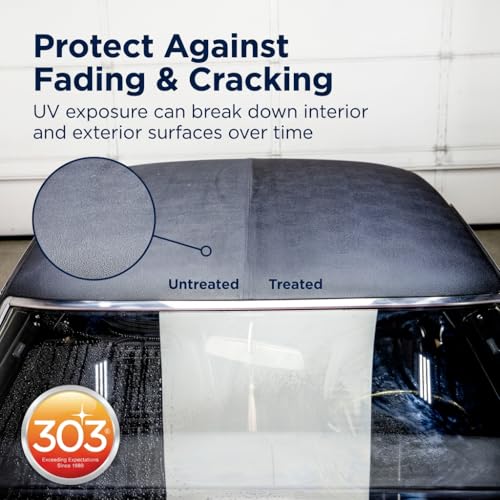
It helps protect compatible dashboard materials against UV exposure that contributes to fading and cracking. However, it cannot repair existing damage or completely prevent material aging.
Does 303 Automotive Protectant leave a greasy finish?
No. When applied correctly and wiped completely dry, it leaves a smooth, natural-looking matte finish.
Can I use 303 Automotive Protectant on exterior plastic trim?
Yes. It is designed for compatible interior and exterior plastic, vinyl, and rubber surfaces.
How often should I apply 303 Automotive Protectant?
The manufacturer recommends reapplication every 3–5 weeks for maximum UV protection.
Can 303 Automotive Protectant be used on leather seats?
Do not use it on unfinished leather. For other leather types, follow the manufacturer’s specific compatibility guidance and test before use. A dedicated automotive leather-care product may be preferable.
Is 303 Automotive Protectant safe for instrument cluster lenses?
No. The manufacturer specifically advises against using it on clear plastic and gauge panels.
Can I use 303 Automotive Protectant on headlights?
No. Headlight lenses are specifically listed among surfaces that should not be treated with this product.
Does 303 Automotive Protectant need to be rinsed off?
No. It should be spread evenly and wiped completely dry with a clean microfiber towel. It is not designed to air-dry.
Can it restore severely faded plastic trim?
It may improve the appearance of compatible weathered surfaces, but it cannot permanently reverse severe discoloration or material deterioration.
Why Preventive Surface Protection Matters
Protecting automotive vinyl, plastic, and rubber components is an important part of long-term vehicle maintenance.
Sun exposure and environmental conditions gradually affect the appearance and condition of these materials.
While regular washing removes dirt and contamination, cleaning alone does not necessarily provide dedicated UV protection.
Using a compatible protectant such as 303 Automotive Protectant adds another step to your maintenance routine that helps preserve surface appearance.
For enthusiasts who invest in vehicle restoration, detailing, and performance upgrades, maintaining original trim and rubber components can be just as important as keeping the paint polished.
Discover more automotive maintenance guides, restoration resources, and performance upgrades at Pro Street Online.
Final Verdict – Is 303 Automotive Protectant Worth Buying?
For drivers seeking reliable UV protection, dust repellency, and a natural matte finish, 303 Automotive Protectant is a practical addition to any detailing kit.
Its versatile formula makes it useful for maintaining compatible interior and exterior vinyl, plastic, and rubber surfaces without leaving behind an oily appearance.
With a straightforward spray-and-wipe application and recommended maintenance intervals of 3–5 weeks, 303 offers a convenient approach to protecting frequently exposed vehicle components.
Protect your investment and preserve that factory-fresh appearance with 303 Automotive Protectant – 16 oz.



There are no reviews yet.