
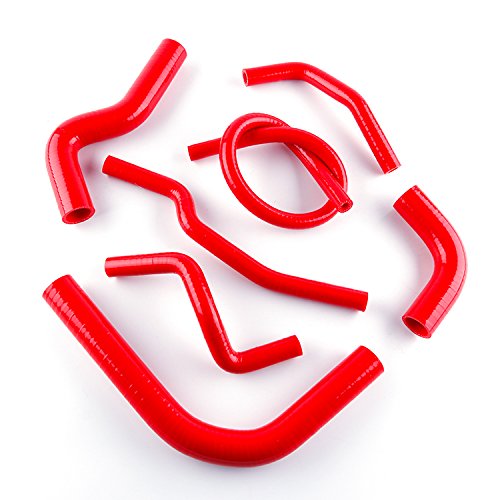
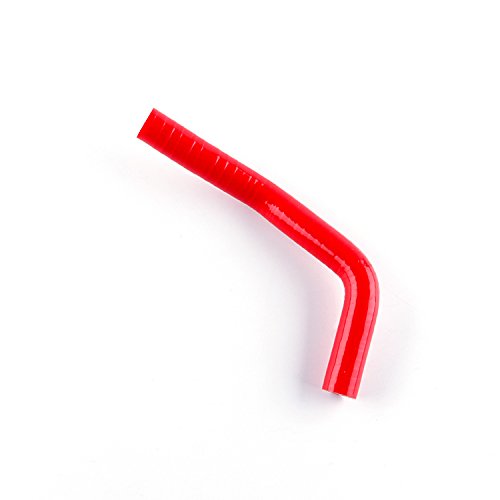
Three-Ply Reinforced Silicone Construction
These hoses use three layers of reinforced silicone and measure approximately 4.5mm thick. Compared with old conventional rubber hoses, silicone offers improved resistance to:
- Engine-compartment heat
- Cooling-system pressure
- UV and ozone exposure
- Water and coolant contact
- Hardening and cracking
- Weather-related deterioration
The advertised operating range is -76°F to 504°F (-60°C to 260°C). Treat that as a manufacturer rating rather than the engine’s permitted operating temperature. Comparable Samurai silicone hose kits are commonly rated closer to 350°F, so the cooling system should still operate within Suzuki’s normal specifications. A giant temperature claim is not permission to ignore the gauge.
Direct Replacement-Style Fit
The hoses are molded to follow the factory Samurai cooling-system routing. Some aftermarket kits may require minor trimming for exact alignment, particularly when the vehicle has a replacement radiator, engine conversion, body lift, or decades of creative previous-owner engineering.
Before installation, compare:
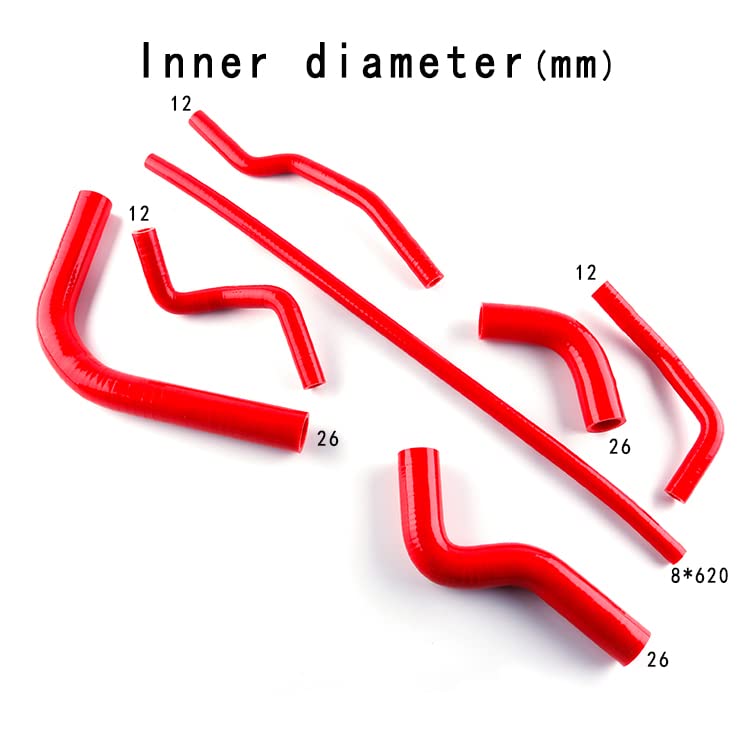
- Number of hoses in the package
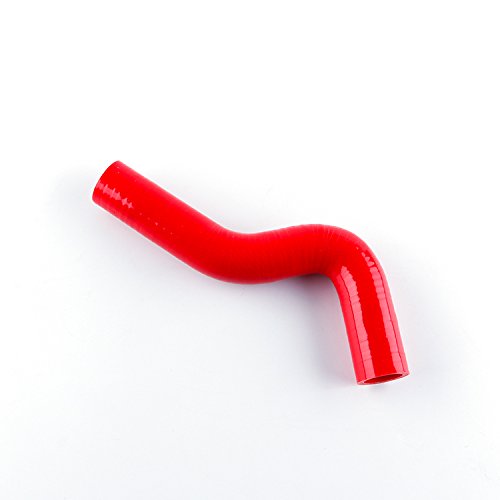
- Length and bend of each hose
- Inside diameter at every connection
- Radiator inlet and outlet positions
- Thermostat-housing connection
- Water-pump inlet connection
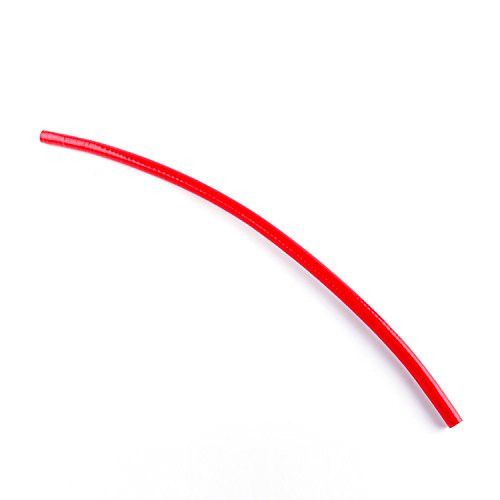
- Overflow and bypass-hose routing
Trail-Gear’s installation instructions for a comparable 1986–1995 Samurai kit also note that minor trimming may be necessary and warn against overtightening the clamps. Suzuki Samurai silicone hose instructions
When Should Samurai Radiator Hoses Be Replaced?
Replace the original hoses when you notice:
- Cracks around the hose ends
- Swollen or unusually soft areas
- Coolant stains near the clamps
- A hose collapsing as the engine cools
- Hardened rubber that no longer flexes
- Visible abrasion or cuts
- Recurring coolant loss
- Steam or a sweet coolant smell
If coolant continues disappearing without an obvious source, use our step-by-step coolant-leak diagnosis to inspect the radiator, water pump, thermostat housing, heater core, cap, and engine.
Installation Recommendations
Always let the engine cool completely before opening the radiator cap. Hot, pressurized coolant is remarkably effective at turning a simple repair into an emergency-room story.
A typical installation involves:
- Park the Samurai on level ground and let the engine cool.
- Disconnect the negative battery cable.
- Drain the coolant into a suitable container.
- Photograph the original hose routing.
- Remove the existing clamps and hoses.
- Clean and inspect every sealing connection.
- Compare the new hoses with the originals.
- Trim only when necessary for a relaxed, kink-free fit.
- Install clamps behind the raised bead on each fitting.
- Refill with the correct coolant mixture.
- Bleed trapped air from the cooling system.
- Run the engine to operating temperature and inspect for leaks.
- Recheck the level and connections after the engine cools.
Our cooling-system flush guide explains how to remove old or contaminated coolant before installing new parts.
Inspect the Rest of the Cooling System
Fresh hoses cannot compensate for a clogged radiator, weak cap, failing water pump, stuck thermostat, or corroded connection. Inspect the complete system while the coolant is drained.
Helpful diagnostic resources include:
- Complete car cooling-system guide
- Why a vehicle overheats while driving
- Seven signs of a failing radiator
- Bad thermostat versus bad water pump
- How to deal with engine overheating
- Car overheating while the heater blows cold
- When to stop driving an overheating vehicle
Product Specifications
| Specification | Details |
|---|---|
| Product type | Radiator coolant hose kit |
| Vehicle | Suzuki Samurai |
| Model years | 1986–1995 |
| Engine | 1.3L gasoline |
| Construction | Reinforced silicone |
| Layers | Three-ply |
| Approximate thickness | 4.5mm |
| Fitment style | Direct replacement-style |
| Advertised temperature range | -76°F to 504°F |
| Resistance | UV, ozone, water, oxygen and weather exposure |
| Hose color | Confirm selected listing |
| Clamps included | Confirm package contents before ordering |
Frequently Asked Questions
What year Suzuki Samurai does this hose kit fit?
It is listed for the 1986–1995 Suzuki Samurai with the factory 1.3L engine.
Does it fit Samurai JA, JL and JX trims?
The listing identifies JA, JL and JX applications. Because trim availability varied by market and year, confirm the engine, radiator connections, hose count, and hose shapes before purchasing.
Will it fit a Samurai with a 1.6L engine swap?
Not necessarily. A 1.6L conversion may use different thermostat-housing, radiator, inlet, and hose arrangements. Purchase according to the installed engine and cooling-system configuration—not the badge left on the fender.
Is this a direct-fit kit?
It is designed as a direct replacement for the factory 1.3L cooling-system layout. Minor trimming may be required for certain aftermarket radiators or vehicle variations.
Does the kit include clamps?
The supplied description does not clearly confirm clamps. Check the seller’s package photograph and contents list before ordering.
Are silicone hoses better than factory rubber?
Silicone generally handles heat, ozone, and aging better than conventional rubber. Proper fitment and clamp tension still matter; premium material installed badly will still leak with impressive confidence.
Can these hoses fix an overheating Samurai?
Only if damaged, leaking, or collapsing hoses caused the problem. They will not repair a clogged radiator, failed water pump, defective thermostat, combustion leak, or improperly filled cooling system.







There are no reviews yet.