Vehicle Fitment
(This is not a stock replacement. This is an upgrade—with intent.)
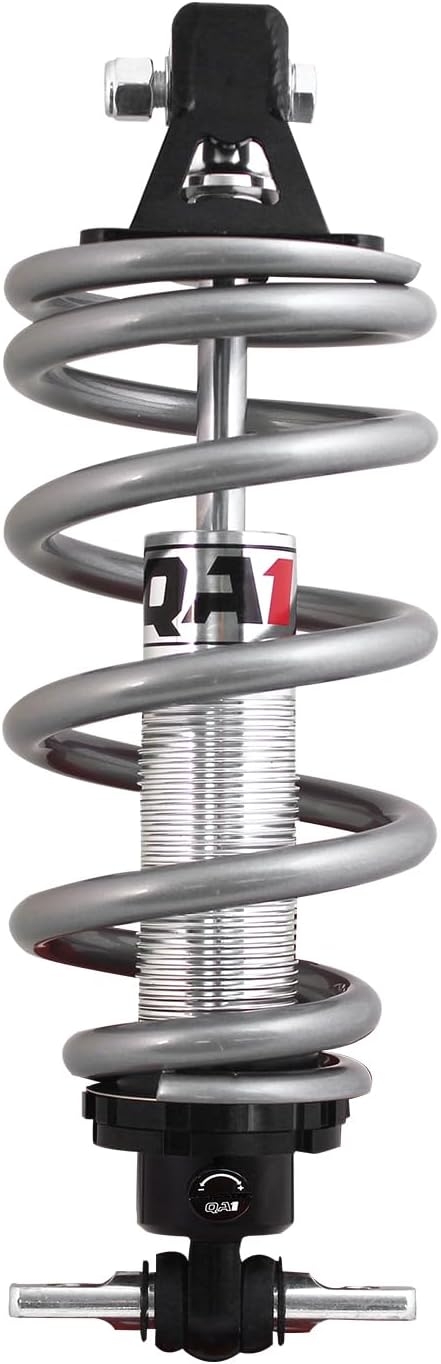
For unmatched ride quality for the street and strip, turn to QA1’s Early Compatible with Mustang Pro Coil Shock Systems. With double adjustable, single adjustable, and drag “R” series adjustable, along with three spring rate options, you will find the right coil-over conversion system for you.
These shocks are designed to give you the lower ride height and “in the weeds” stance you’re looking for, and they utilize a fully threaded body that allows you to adjust your ride height for the perfect stance or to finely adjust the weight balance for superior handling. Used in drag racing, street performance, autocross, road racing, and street rod applications. Made in the U.S.A. High-Performance DOM Steel. High Travel Springs. Easy, Bolt-In Installation. Coil-Over.
Ride Height Adjustable. Serviceable and Rebuildable by QA1 Authorized Service Centers. Sold in Pairs – Includes (2) Struts, (2) Springs, (2) Coil-Over Kits and All Mounting Hardware.
What Makes the QA1 Pro Coil-Over System Different
QA1 doesn’t do “cheap.” This system replaces factory coil springs and shocks with a true adjustable coil-over setup, dramatically improving front-end control.
Key Features
-
Single-adjustable QA1 shocks
-
400 lb/in coil springs included
-
Ride height adjustability
-
Lightweight aluminum shock bodies
-
Made in the USA (yes, that still matters)
Translation: less nose dive, better turn-in, and a classic Mustang that no longer feels like it’s guessing.
Lowering a 1964–1966 Mustang: Do It Carefully
Classic Mustangs benefit hugely from a mild, controlled drop—but they hate being slammed.
Recommended front drop:
Lower than that and you risk:
QA1’s adjustable setup allows you to dial in height without cutting springs, which alone makes this system worth it.
Ride Quality: Firm, Controlled, Period-Correct (But Better)
The 400 lb/in spring rate is ideal for:
What you’ll feel:
-
Dramatically reduced front-end dive
-
Better control over bumps
-
More predictable steering
-
Less chassis float at speed
It’s firmer than stock—but stock was terrible, so that’s a compliment.
Alignment After Installation (Classic Car Reality Check)
Any front suspension change on a 1960s Mustang requires an alignment—and usually upgraded components.
Alignment considerations:
-
Increased negative camber improves cornering
-
Proper caster improves steering stability
-
Toe must be set correctly to avoid wandering
Strongly recommended:
-
Adjustable upper control arms
-
Performance alignment specs
-
Alignment done at final ride height
Classic cars don’t self-correct. Measure. Adjust. Enjoy.
Handling Improvements You’ll Immediately Notice
Once installed and aligned, expect:
No, it won’t turn your ’65 into a C8 Corvette—but it’ll finally stop driving like a shopping cart with horsepower.
Build Quality & Ownership Notes
-
CNC-machined aluminum components
-
Rebuildable QA1 shocks
-
Designed for long-term street use
-
Excellent parts availability
Install tip: Follow QA1 torque specs. “Good’n’tight” is not a measurement unit.
Who This System Is For
✔ Restomod and pro-touring builds
✔ Street-driven classic Mustangs
✔ Owners upgrading outdated suspension
✔ Drivers who want adjustability without hack work
❌ Concours restorations
❌ Stock-only purists
❌ “It was fine in 1965” people








There are no reviews yet.