
OEM & OES Control Arms – Restore Factory Ride, Handling, and Reliability
Because guessing with cheap suspension parts is how you end up doing the job twice.
When it comes to suspension, control arms built to OEM or OES standards are the difference between a car that drives like new… and one that reminds you of every bump, noise, and regret. These components are engineered to match factory specifications, ensuring proper geometry, durability, and long-term performance.
If you want your vehicle to drive like it did before everything started clunking—this is the standard you stick to.
What Are OEM & OES Control Arms?
- OEM (Original Equipment Manufacturer):
Parts made by the same manufacturer that supplied the original factory components. - OES (Original Equipment Supplier):
Parts made by the same supplier but sold under a different brand—same design, same specs, usually less markup.
In other words, you’re getting factory-level quality without dealership-level pricing.
Why OEM/OES Standards Matter
Because suspension geometry isn’t something you want to “eyeball.”
Precision Fitment
- Designed to match exact factory mounting points
- No modifications, no fighting bolts, no “close enough” installs
Correct Suspension Geometry
- Maintains proper alignment angles
- Prevents premature tire wear and steering issues
Factory-Level Ride Quality
- Smooth, quiet operation
- No extra vibration, harshness, or unwanted noise
Long-Term Durability
- High-quality bushings and ball joints
- Built to withstand daily driving, potholes, and real-world abuse
Showing 1–10 of 117 results


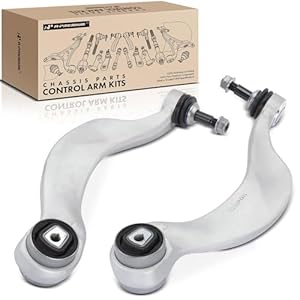
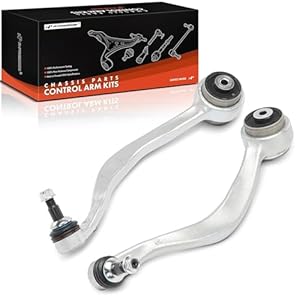


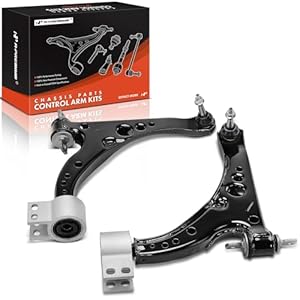
Key Features of OEM/OES Control Arms
- Pre-Installed Ball Joints & Bushings
Saves install time and ensures proper assembly. - High-Strength Steel or Aluminum Construction
Matches OEM materials for strength and weight balance. - Corrosion-Resistant Coatings
Protects against rust and environmental damage. - Exact Tolerances
Ensures proper fitment and alignment without guesswork.
Signs You Need New Control Arms
If your vehicle is doing any of the following, it’s not “just old”—it’s worn:
- Clunking or knocking over bumps
- Loose or wandering steering
- Uneven or rapid tire wear
- Steering wheel vibration
- Poor alignment that won’t stay corrected
Translation: your suspension is tired and asking for help.
OEM vs Aftermarket Control Arms
| Feature | OEM/OES | Cheap Aftermarket |
|---|---|---|
| Fitment | Exact | “Should fit” |
| Ride Quality | Factory smooth | Hit or miss |
| Durability | Long-lasting | Often short lifespan |
| Alignment Accuracy | Consistent | Can vary |
| Installation | Straightforward | Sometimes a fight |
You can save money upfront with cheap parts… or save time, labor, and sanity with OEM/OES. Your call.
Common Applications
- Daily driver maintenance
- Suspension restoration on high-mileage vehicles
- Fixing clunks, vibrations, and steering issues
- Ensuring proper alignment and tire life
Why Choose OEM/OES Control Arms?
Because suspension isn’t where you experiment with “budget engineering.”
OEM/OES control arms give you:
- Consistent performance
- Reliable fitment
- Long-term durability
- Peace of mind
And most importantly—you only install them once.