
Fuel Pumps & Accessories
High-Performance Fuel Pumps: Why Replacing Yours Is Non-Negotiable
Your fuel pump is one of those components you never think about—until your car suddenly feels like it’s running on hopes and prayers.
Whether you’re daily driving, towing, or building a boosted monster, the fuel pump is the heart of your fuel delivery system. When it fails or underperforms, everything downstream suffers.
Showing 1–10 of 23 results


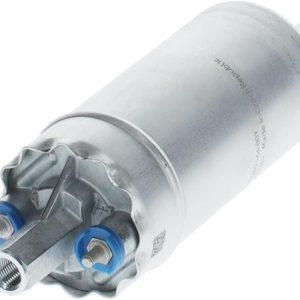
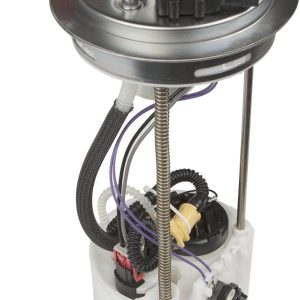
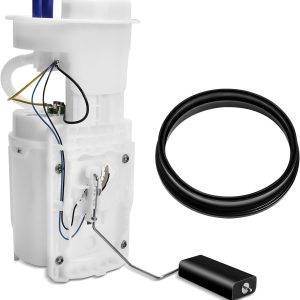
Fuel Pumps & Accessories: Reliable Fuel Delivery Starts Here
Fuel pumps are not optional. They’re not “nice to have.” They are the single point of failure between a running engine and a very expensive driveway ornament. Whether you’re replacing a worn-out OEM unit or upgrading for reliability, our selection of fuel pumps and fuel system accessories is built to restore proper pressure, flow, and safety—without cutting corners.
If your vehicle hesitates, stalls, struggles to start, or loses power under load, your fuel system is telling you something. Ignoring it doesn’t make it go away—it just makes it happen at the worst possible time.
What Fuel Pumps Actually Do (Beyond “Move Gas”)
A modern fuel pump is responsible for delivering fuel from the tank to the injectors at precise pressure and volume, measured in PSI and flow rate (LPH). Electronic fuel injection systems rely on stable fuel pressure to maintain accurate air-fuel ratios. When pressure drops, injectors can’t atomize fuel properly, causing lean conditions, misfires, and power loss.
Over time, pumps wear internally, strainers clog, and electrical resistance increases. Ethanol-blended fuels only accelerate the process.
Why Fuel Pump Accessories Matter
Replacing only the pump and ignoring supporting components is how repeat failures happen. That’s why we offer fuel pump accessories designed to work together as a system:
-
Fuel pump strainers to prevent debris ingestion
-
Fuel sending units for accurate fuel level readings
-
Fuel pump wiring pigtails to prevent voltage drop
-
Seals and gaskets to eliminate vapor and fuel leaks
-
Fuel filters to protect the new pump from contamination
A new pump with a clogged filter or corroded connector is like new tires on bent wheels—technically installed, functionally useless.
Performance, Reliability & Safety Benefits
Even on stock vehicles, restoring factory fuel pressure improves drivability, throttle response, and cold starts. For vehicles that tow, haul, or see high load conditions, consistent fuel delivery prevents lean operation that can lead to detonation and long-term engine damage.
Safety matters too. Fuel pumps operate submerged in gasoline for cooling. Aging electrical connections, overheating motors, or damaged seals increase the risk of fuel vapor leaks and electrical failure.
Replacing worn components proactively:
-
Prevents no-start conditions
-
Reduces fire risk
-
Improves engine efficiency
-
Extends injector and engine life
Built for Direct-Fit Installation
Our fuel pumps and accessories are vehicle-specific, designed for direct-fit installation using factory mounting points and electrical connectors. No splicing. No guessing. No “universal” nonsense that sort of fits if you squint.
If your fuel system is tired, now is the time to fix it correctly.
What a Fuel Pump Actually Does (and Why It Matters)
A fuel pump’s job is simple but critical: deliver fuel from the tank to the engine at the correct pressure and volume. Modern vehicles rely on electric in-tank fuel pumps that maintain consistent fuel pressure for precise air-fuel ratios. If pressure drops even slightly, injectors can’t atomize fuel correctly—leading to lean conditions, hesitation, misfires, and reduced power.
For performance applications, flow rate (measured in liters per hour, LPH) and fuel pressure stability are everything. Stock pumps are engineered for factory horsepower levels, not larger injectors, forced induction, or ethanol blends.