
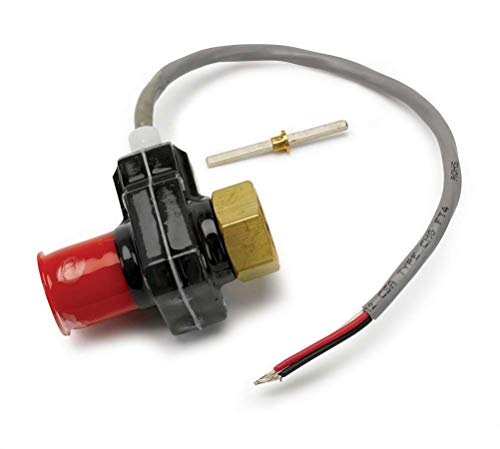
Why a Speed Sensor Conversion Matters
Older vehicles and transmissions use mechanical speed cables. Modern gauges and ECUs? Not so much.
Without a proper conversion, you’ll deal with:
- No speed reading at all
- Inaccurate or inconsistent speed data
- Incompatibility with aftermarket electronics
This sensor fixes all of that in one shot.
Vintage top efficiency design, placing white dials, lustrous chrome bezels, domed lenses and Bundle answers outline this series.
Key Features & Functions
Mechanical to Electric Signal Conversion
The 5291 converts a mechanical speed input into an electronic output, allowing:
- Modern electronic speedometer compatibility
- Integration with aftermarket gauge systems
- ECU data input for speed-based functions
Because your build might be old—but your electronics aren’t.
Hall Effect Sensor Technology
Uses a Hall Effect sensor, which provides:
- Precise digital signal output
- Reliable performance at all speeds
- Consistent pulse generation
Clean signal = accurate speed readings.
Bundle Dimensions: 8.382 H x 10.921 L x 12.192 W (centimeters)
U . s . a . of Origin : United States
Bundle Weight: 0.55 pounds
16 Pulse Per Revolution Output
The sensor generates 16 pulses per revolution, ensuring:
- High-resolution speed data
- Smooth speedometer operation
- Compatibility with many aftermarket systems
More pulses = better accuracy.
7/8″-18 Thread Compatibility
Designed for GM and Chrysler applications, featuring:
- Standard 7/8″-18 thread fitment
- Direct installation into compatible transmissions
- Easy integration into existing setups
No weird adapters or guesswork needed (for supported setups).
Supports Modern Gauge & ECU Integration
Perfect for builds using:
- Electronic speedometers
- Engine management systems
- Data logging setups
It makes your speed data usable across your entire system.
Why You Need This Auto Meter 5291 Speed Sensor
If you’re mixing old-school hardware with modern electronics, this part is essential.
The Auto Meter 5291 Speed Sensor gives you:
- Accurate electronic speed data from a mechanical source
- Compatibility with modern gauges and ECUs
- Reliable, consistent signal output
- A clean solution for restomods and swaps
Because having no speed reading—or a wildly inaccurate one—isn’t exactly helpful.
Ideal Applications
- GM and Chrysler vehicles with mechanical speed drives
- Restomods
- Engine swaps
- Aftermarket electronic speedometer installs
- Custom builds using modern ECUs
Final Verdict
The Auto Meter 5291 Mechanical to Electric Speed Sensor is a must-have for bridging older drivetrains with modern electronics.
It’s accurate, reliable, and solves one of the most common compatibility issues in custom builds.
Because your speedometer should tell the truth—not just approximate it.





There are no reviews yet.