
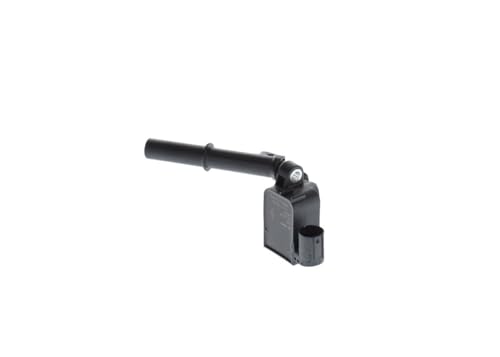

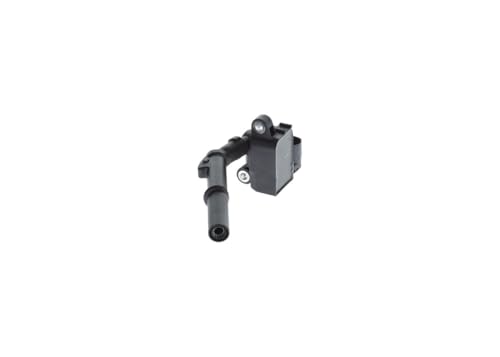
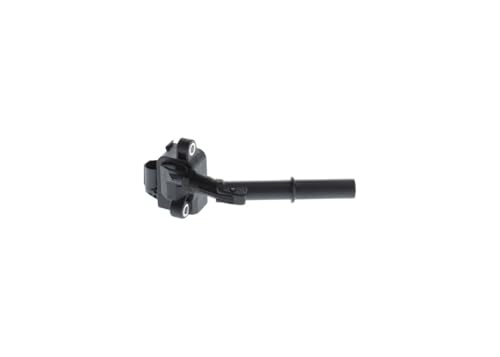
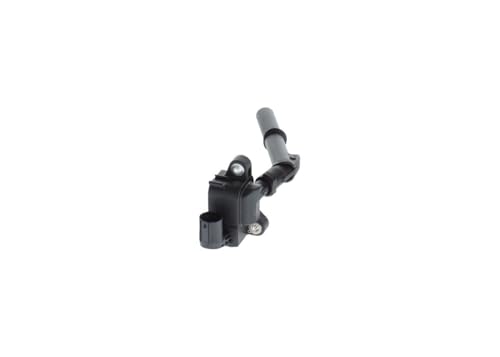
What Mercedes-Benz Vehicles Fit Bosch 0221604067?
Bosch 0221604067 has a surprisingly broad application range. Current catalog data identifies more than 100 individual year/model configurations, so year, engine and OE number should always be verified before purchase.
Major applications include:
| Mercedes-Benz Model | Common Engine |
|---|---|
| C300 | 3.5L V6 |
| C350 | 3.5L V6 |
| CL550 | 4.7L V8 |
| CL63 AMG | 5.5L V8 |
| CLS550 | 4.7L V8 |
| CLS63 AMG / AMG S | 5.5L V8 |
| E350 | 3.5L V6 |
| E400 | 3.5L V6 |
| E550 | 4.7L V8 |
| E63 AMG / AMG S | 5.5L V8 |
| G63 AMG | 5.5L V8 |
| GL450 | 4.7L V8 |
| GL550 | 4.7L V8 |
| GL63 AMG | 5.5L V8 |
| GLE350 | 3.5L V6 |
| GLE63 AMG / AMG S | 5.5L V8 |
| GLK350 | 3.5L V6 |
| GLS550 | 4.7L V8 |
| GLS63 AMG | 5.5L V8 |
| ML350 | 3.5L V6 |
| ML550 | 4.7L V8 |
| ML63 AMG | 5.5L V8 |
| R350 | 3.5L V6 |
| S550 / Maybach S550 | 4.7L V8 |
| S63 AMG | 5.5L V8 |
| SL550 | 4.7L V8 |
| SL63 AMG | 5.5L V8 |
| SLK350 | 3.5L V6 |
| SLK55 AMG | 5.5L V8 |
Cataloged applications span approximately 2011 through 2020, but that does not mean every model above uses this coil for every year in that range. For example, catalog data identifies the C300 primarily for 2013–2014, while the SL550 extends through 2020.
Fitment warning: Always verify the vehicle’s exact year, engine, VIN/application data and existing OE coil number before ordering. Mercedes changing an engine halfway through a model generation would hardly be unprecedented.
Why Bosch for a Mercedes-Benz Ignition Coil?
Bosch has extensive experience supplying engine-management and ignition components, which makes this coil particularly attractive to an owner who wants an OE-style replacement rather than an unknown aftermarket coil.
The goal isn’t outrageous horsepower.
It’s consistency.
An ignition coil converts the vehicle’s relatively low electrical-system voltage into the high voltage necessary for the spark plug to ignite the compressed air-fuel mixture.
A healthy coil helps provide:
- Reliable starting
- Smooth idle
- Consistent acceleration
- Complete combustion
- Stable performance under load
- Proper fuel economy
- Controlled exhaust emissions
When a coil weakens, combustion can become intermittent.
That’s when the fun starts.
And by “fun,” we mean your Mercedes suddenly developing a personality at every stoplight.
Symptoms of a Bad Mercedes-Benz Ignition Coil
Common symptoms of ignition-coil failure include:
- Rough idle
- Engine shaking
- Misfire under acceleration
- Check Engine light
- Flashing Check Engine light
- Poor throttle response
- Hesitation
- Hard starting
- Reduced power
- Increased fuel consumption
- Fuel smell from the exhaust
For a complete diagnostic explanation, read 7 Bad Ignition Coil Symptoms You Should Never Ignore on My Pro Street. This is a verified live Pro Street article covering misfires, rough idle, acceleration problems and related ignition-coil symptoms.
Why Ignition Coils Often Fail Under Load
A weak coil isn’t always obvious at idle.
Cylinder pressure increases when you accelerate. Higher cylinder pressure makes it more difficult for the spark to jump the spark-plug gap.
A marginal ignition coil may therefore operate normally while the Mercedes is cruising but begin misfiring when you:
- Accelerate hard
- Merge onto the highway
- Climb a hill
- Apply heavy throttle
- Place the engine under sustained load
This is one reason intermittent ignition problems can be frustrating to diagnose.
P0300 and Mercedes-Benz Misfires
A failing ignition coil may contribute to a P0300 Random/Multiple Cylinder Misfire code or a cylinder-specific P0301–P0308 code.
But a P0300 doesn’t automatically condemn the ignition coils.
Potential causes also include:
- Worn spark plugs
- Fuel injector problems
- Vacuum leaks
- Low fuel pressure
- Intake leaks
- Timing problems
- Low compression
- Sensor faults
Our live P0300 Random/Multiple Cylinder Misfire diagnostic guide explains the code, symptoms, common causes and proper diagnostic process.
That article is particularly relevant before ordering coils because replacing every ignition coil based solely on a P0300 is essentially troubleshooting with a credit card.
Diagnose a Suspected Coil Before Replacing It
A cylinder-specific misfire code provides a useful starting point.
Suppose the ECU identifies a misfire on cylinder three.
If the ignition coils are easily accessible, one useful diagnostic technique is to:
- Record all codes and freeze-frame information.
- Move the suspected coil to another cylinder.
- Move a known-good coil into the original position.
- Reassemble the engine correctly.
- Run the vehicle and monitor misfire data.
- Rescan for trouble codes.
If the misfire follows the coil, you’ve developed strong evidence that the coil itself is faulty.
If the misfire remains on the original cylinder, continue diagnosing.
The spark plug, injector, wiring, compression or another mechanical problem may be responsible.
Inspect the Spark Plug at the Same Time
The ignition coil and spark plug work as a system.
If you’ve already removed a suspected coil, inspect the plug underneath it.
Look for:
- Excessive electrode wear
- Enlarged plug gap
- Carbon deposits
- Oil fouling
- Fuel fouling
- Cracked porcelain
- Abnormal coloration
- Carbon tracking
A badly worn spark plug can increase the voltage demand placed on an ignition coil.
Installing a new Bosch coil over a completely exhausted spark plug isn’t exactly giving the new component a relaxing first day at work.
Bosch 0221604067 and Mercedes AMG Applications
One of the more interesting aspects of the Bosch 0221604067 is its application across several Mercedes-AMG models.
Verified fitment catalogs include applications such as:
- CL63 AMG
- CLS63 AMG
- CLS63 AMG S
- E63 AMG
- E63 AMG S
- G63 AMG
- GL63 AMG
- GLE63 AMG
- GLE63 AMG S
- GLS63 AMG
- ML63 AMG
- S63 AMG
- SL63 AMG
- SLK55 AMG
Many of these applications use high-output turbocharged V8 engines where reliable ignition becomes especially important under boost and high cylinder pressure.
That doesn’t make the Bosch coil a “horsepower upgrade.”
It makes consistent ignition performance particularly important.
Should You Replace One Coil or All of Them?
Unlike the eight-piece TRQ Ford coil set, Bosch 0221604067 is sold individually.
Whether you replace one coil or several depends on the condition and mileage of the vehicle.
Replacing one coil makes sense when:
- One coil has conclusively failed
- The remaining coils are relatively new
- The problem is isolated
- You’re performing a targeted repair
Replacing multiple coils may make sense when:
- Mileage is high
- Several coils have already failed
- Multiple coils show deterioration
- You’re performing a larger ignition-system refresh
- Labor access makes repeated repairs undesirable
There’s no universal rule requiring every functioning ignition coil to be discarded simply because one failed.
Diagnosis wins again. Annoying, isn’t it?
Bosch OE-Quality Construction
Bosch emphasizes temperature resistance, vibration resistance, mechanical stability and corrosion protection in the 0221604067 design.
Those characteristics matter because an ignition coil spends its life in a hostile environment.
Underhood components repeatedly experience:
cold start → operating temperature → heat soak → cool down
Add engine vibration, moisture and thousands of electrical cycles and you have a fairly unpleasant workplace.
Quality insulation and reliable electrical connections help the coil continue generating the voltage required by the spark plug throughout those conditions.
The safest interchange check is against these Mercedes OE numbers:
2769060260, 2769060401, 2769060501, 2769063500, 2769063700, 2769065400
Can a Bad Ignition Coil Hurt Fuel Economy?
Yes.
Incomplete combustion caused by ignition problems can waste fuel.
The ECU may also make corrections as it attempts to compensate for abnormal combustion.
Once the ignition system is restored to proper operation, a vehicle suffering from coil-related misfires may experience improvements in:
- Fuel economy
- Idle quality
- Acceleration
- Starting
- Exhaust emissions
The key distinction is restoring lost performance.
Installing a Bosch coil on an engine whose existing coil works perfectly shouldn’t be marketed as some miraculous MPG modification.
Can a Bad Coil Damage the Catalytic Converter?
A severe misfire can.
When combustion fails, unburned fuel may enter the exhaust system.
That fuel can burn inside the catalytic converter and generate excessive heat, potentially damaging the catalyst.
This is why a flashing Check Engine light should never be ignored.
The Pro Street P0300 diagnostic guide specifically covers the risks associated with persistent misfires and flashing Check Engine lights.
Is Bosch 0221604067 a Good Replacement Ignition Coil?
For a compatible Mercedes-Benz application, Bosch 0221604067 is a strong choice for an OE-style replacement ignition coil.
Its appeal is straightforward:
You aren’t buying a universal coil, adapting connectors or chasing exaggerated performance claims.
You’re buying a direct-fit Bosch ignition component engineered to meet or exceed OE specifications and provide reliable spark delivery.
For Mercedes owners dealing with a diagnosed ignition-coil failure, that makes considerably more sense than installing the cheapest mystery coil available and discovering three months later that your Check Engine light missed you.
Shop ignition, maintenance and performance components through Pro Street Online.







There are no reviews yet.