
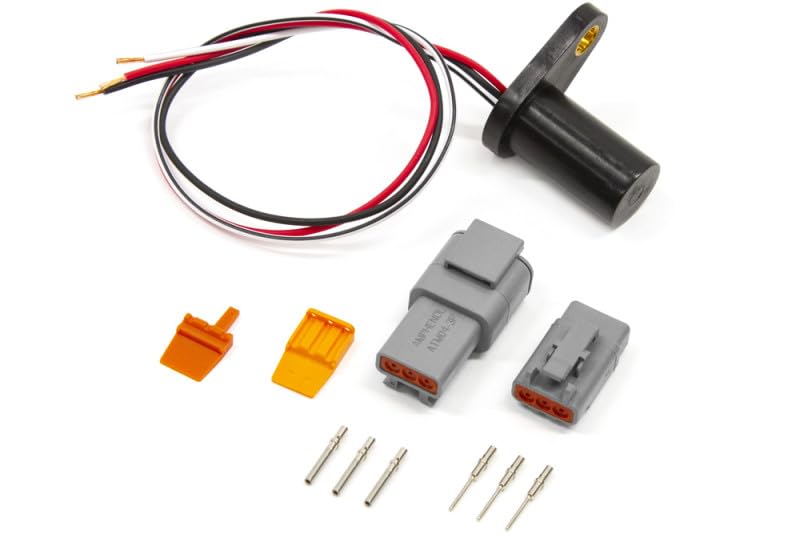
What Is the Haltech GT101 Hall Effect Sensor?
The Haltech GT101 Style High Frequency Hall Effect Sensor is a motorsport-grade Hall Effect sensor designed to detect:
- Crankshaft position
- Camshaft position
- Trigger wheel movement
- Wheel speed
- Rotational speed data
The sensor generates a digital signal used by:
- Haltech ECUs
- Standalone engine management systems
- Data loggers
- Motorsport electronics
Perfect for:
- Turbocharged builds
- Race cars
- Engine swaps
- High-RPM applications
- Custom trigger setups
Basically, it acts like the ECU’s eyes and ears for engine position data.
And if those eyes go blind at full boost, things get expensive quickly.
The Haltech brand is recognized globally as the leader in its field, renowned for its regularly evolving, state of the art technology and unparalleled customer strengthen. Over time, Haltech has adapted to stick abreast of emerging technologies and address changing expectations from tuners, racers, and enthusiasts alike.
Why Accurate Trigger Signals Matter
Modern ECUs require accurate trigger data to control:
- Fuel injection timing
- Ignition timing
- Sequential injection
- Coil firing
- Variable cam timing
- Rev limiting
Weak or unstable trigger signals can cause:
- Misfires
- Sync loss
- Hard starting
- Timing instability
- Engine shutdown
- RPM breakup
The Haltech GT101 Style High Frequency Hall Effect Sensor provides stable high-frequency signal output critical for reliable ECU operation.
Because losing crank sync at full boost is one of those experiences that creates immediate emotional damage.
Haltech Plug’n’Play product that lets you be up and running in only some hours
Hall Effect Sensor Advantages
Hall Effect sensors offer several benefits over traditional magnetic sensors including:
- Cleaner digital signal output
- Better low-speed accuracy
- Improved high-RPM stability
- More reliable trigger detection
- Better noise resistance
This makes them ideal for:
- High-horsepower builds
- Race applications
- Sequential EFI setups
- High-RPM engines
Especially useful once your build reaches RPM levels where factory sensors start having trust issues.
The fast start guide will walk you throughout the installation of the Haltech Products
Built for High-Frequency Motorsport Applications
The Haltech GT101 Style High Frequency Hall Effect Sensor is engineered for:
- High RPM operation
- Harsh motorsport environments
- Vibration resistance
- Heat resistance
- Long-term reliability
Perfect for:
- Drag cars
- Drift cars
- Time attack builds
- Circuit race cars
- High-horsepower street builds
Unlike cheap generic sensors that randomly stop communicating halfway through a dyno pull and immediately ruin everybody’s day.
A guide is accompanied to refer to at the same time as completing your installation and configuration
Sensors
Hall Effect Sensors
Perfect for Standalone ECU Builds
The GT101 sensor integrates perfectly with:
- Haltech Elite ECUs
- Haltech Nexus systems
- Link ECUs
- Motec systems
- FuelTech setups
- Other standalone platforms
Ideal for:
- Custom trigger wheel installations
- Engine swaps
- Sequential ignition systems
- Motorsport electronics integration
Because once a build moves into standalone ECU territory, factory trigger sensors often become “temporary solutions” permanently held together by hope.
Common Performance Applications
The Haltech GT101 Style High Frequency Hall Effect Sensor is commonly used in:
- 2JZ builds
- K-series swaps
- RB26 engines
- LS turbo setups
- Barra builds
- Honda drag cars
- Sequential gearbox race cars
Anywhere accurate RPM and position tracking becomes mission critical.
Which is basically every serious performance build once boost enters dangerous territory.
Essential for High RPM Stability
At elevated RPM, trigger signal quality becomes critically important.
Poor trigger resolution can create:
- Timing drift
- Ignition instability
- Misfires
- ECU sync errors
The GT101-style sensor helps maintain:
- Stable RPM signals
- Accurate crank position data
- Reliable ignition timing
- Consistent ECU communication
Because engines spinning near 9,000 RPM already have enough chaos happening internally.
Professional Installation Recommended
Proper Hall Effect sensor installation requires:
- Correct trigger wheel spacing
- Proper air gap setup
- Shielded wiring
- ECU calibration
- Stable mounting brackets
Improper installation can cause:
- Signal interference
- False triggers
- Sync loss
- Starting issues
Because “it’s mounted kinda close enough” is not a valid motorsport engineering specification.
Final Thoughts
The Haltech GT101 Style High Frequency Hall Effect Sensor is an essential component for serious standalone ECU and motorsport applications requiring precise engine position and RPM monitoring.
With stable high-frequency signal output, excellent RPM accuracy, and motorsport-grade durability, this sensor helps ensure reliable ECU communication in demanding performance environments.
Because when your build reaches race-car levels of horsepower, reliable trigger signals stop being optional and become survival equipment.





There are no reviews yet.