

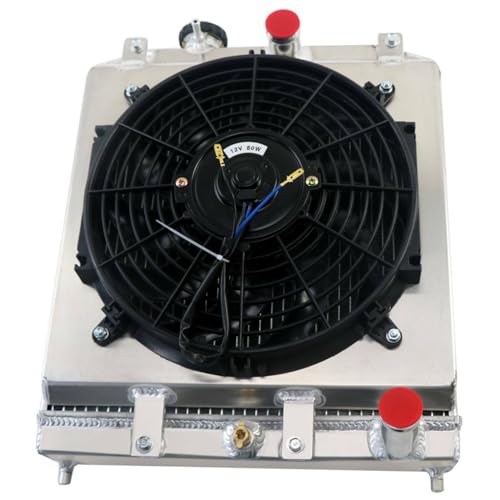
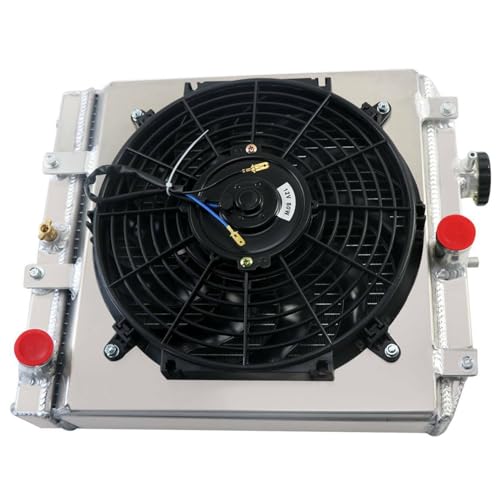
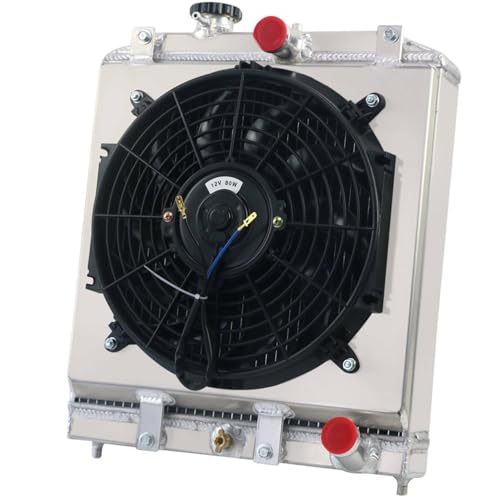

T-5052 Aluminum Construction for Long-Term Cooling Reliability
One of the primary features of this radiator assembly is its T-5052 aluminum construction.
5052 aluminum alloy is valued for its corrosion resistance, formability, and strength-to-weight characteristics, making it useful in automotive cooling system components.
Compared with aging factory radiators that use plastic end tanks, an all-aluminum design can offer advantages in construction durability.
Aluminum also conducts heat efficiently, helping transfer coolant heat into the radiator core and surrounding airflow.
However, actual cooling performance depends on more than material alone. Core design, fin density, coolant circulation, airflow, and overall system condition all influence engine operating temperatures.
For DIY troubleshooting, our Complete Car Cooling System Guide explains how the radiator works alongside the thermostat, water pump, cooling fans, and coolant.
Aluminum Radiator Shroud Fan Technical Specifications
| Specification | Details |
|---|---|
| Product Type | Aluminum Radiator and Fan Shroud Assembly |
| Advertised Compatibility | 1992–2000 Honda Civic / Acura Integra |
| Material | T-5052 Aluminum |
| Radiator Core Height | 13.8 inches |
| Radiator Core Width | 14.1 inches |
| Radiator Core Thickness | 1.42 inches |
| Overall Height | 18.3 inches |
| Overall Width | 14.4 inches |
| Overall Thickness | 5.1 inches |
| Upper Inlet Diameter | 1.26 inches |
| Upper Inlet Position | Center |
| Lower Outlet Diameter | 1.26 inches |
| Lower Outlet Position | Passenger Side |
| Application | Automotive Engine Cooling |
Fitment warning: The dimensions suggest a compact radiator configuration. Compare the assembly with your existing radiator before ordering. Fan airflow rating, electrical specifications, core row count, radiator cap inclusion, and exact mounting hardware have not been provided.
Designed for Honda Civic and Acura Integra Performance Builds
The Honda Civic and Acura Integra aftermarket offers extensive options for improving engine performance, but cooling system reliability is often overlooked.
As engine power increases, the cooling system must be capable of managing additional heat under demanding operating conditions.
Honda Civic EG and EK Builds
The 1992–1995 EG Civic and 1996–2000 EK Civic are popular choices for lightweight performance projects. Not sure what the issue is with your overheating car? Use our guide to determine whether or not it’s the thermostat, radiator or a leak.
An aluminum radiator assembly can be a useful upgrade when replacing deteriorated cooling components or configuring an engine swap.
However, different Honda engines and chassis configurations may require different radiator mounting arrangements and hose routing.
Acura Integra B-Series Applications
The Acura Integra remains a favorite among enthusiasts building B18-powered street cars, autocross vehicles, and track-day projects.
A properly sized aluminum radiator can help support cooling system reliability, especially when paired with functioning electric fans and a correctly maintained coolant circuit.
Confirm fitment carefully because Civic and Integra radiator configurations are not universally interchangeable.
Turbocharged Honda Cooling Systems
Turbocharged Honda engines can place increased demands on cooling components during sustained high-load operation.
An upgraded radiator and fan shroud may help manage coolant temperatures, but the radiator must be correctly sized for the engine’s heat output.
Adequate airflow, proper coolant circulation, and an effective fan-control system are equally important.
How to Install an Aluminum Radiator and Fan Shroud on a Honda Civic or Integra
Replacing an aging radiator can be a manageable DIY project for experienced Honda enthusiasts.
Before beginning, compare the new assembly’s dimensions, hose connections, mounting brackets, and fan clearance with the original cooling system.
Step 1: Drain the Cooling System
Allow the engine to cool completely.
Remove the radiator cap only when the cooling system is cold and depressurized, then drain the coolant into a suitable collection container.
Dispose of used coolant according to local environmental regulations.
Step 2: Remove the Factory Radiator and Cooling Fan
Disconnect the radiator hoses, cooling fan electrical connectors, and mounting hardware.
Carefully lift the factory radiator assembly from the engine bay.
Inspect the rubber mounting bushings and surrounding brackets for deterioration.
Step 3: Position the Aluminum Radiator Assembly
Lower the new radiator into the engine bay and check the mounting alignment.
Verify that the upper inlet and lower outlet correspond with your vehicle’s hose routing.
Ensure that the fan shroud does not contact belts, pulleys, exhaust components, or nearby engine accessories.
Do not force the assembly into place if mounting points or hose connections do not align.
Step 4: Connect the Radiator Hoses and Fan Wiring
Install the appropriate radiator hoses and secure them with suitable clamps.
Connect the cooling fan using a wiring configuration compatible with the vehicle’s electrical system and fan controls.
Confirm correct fan rotation and airflow direction before completing installation.
Step 5: Refill and Bleed the Cooling System
Refill the radiator and cooling system using coolant appropriate for your Honda or Acura engine.
Follow the factory coolant bleeding procedure to remove trapped air. Flush your cooling system in your vehicle using our guide.
Air pockets can cause unstable temperature readings, reduced heater performance, and engine overheating.
Our Complete Car Cooling System Guide provides additional information about proper cooling system operation and maintenance.
Step 6: Test for Leaks and Verify Operating Temperature
Start the engine and monitor coolant temperature as it reaches normal operating conditions.
Confirm that the thermostat opens, the cooling fan activates when required, and no coolant leaks are present.
Inspect the radiator hose connections and mounting hardware after the first complete heat cycle.
Complete Your Honda Cooling System Upgrade
Installing an aluminum radiator is an excellent opportunity to inspect other components that may be nearing the end of their service life.
Radiator Hoses: Replace swollen, cracked, or brittle hoses that could fail under cooling system pressure.
Thermostat: Verify that the thermostat opens at the correct temperature and allows proper coolant circulation.
Water Pump: Inspect for leaks, bearing noise, and other signs of deterioration.
Cooling Fan Controls: Ensure that the fan motor, relays, wiring, and temperature-control circuitry function correctly.
Engine Coolant: Use the appropriate coolant mixture and avoid combining incompatible coolant formulations.
Radiator Cap: Confirm the radiator cap’s pressure rating and compatibility before installation.
Explore more replacement cooling components, performance radiators, and Honda engine upgrades at Pro Street Online.
Is an Aluminum Radiator Shroud Fan Worth It for Your Honda?
For Honda Civic and Acura Integra owners dealing with aging cooling systems, a properly matched aluminum radiator and fan shroud can be a practical upgrade.
The lightweight aluminum construction and compact core dimensions make this assembly appealing for selected performance builds where space and cooling efficiency are important.
However, selecting the correct radiator is more important than simply choosing an aluminum design.
A radiator that is too small, poorly positioned, or incompatible with the engine’s hose routing can create more problems than it solves.
Before purchasing, verify all dimensions and confirm that the assembly matches your vehicle’s cooling system configuration.
Upgrade Your Honda Civic or Integra Cooling System at Pro Street Online
Whether you’re restoring a classic 1990s Honda Civic, rebuilding an Acura Integra, or upgrading a modified B-Series or D-Series engine, reliable cooling is essential.
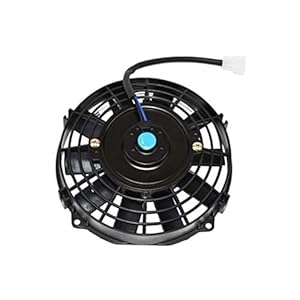
This Aluminum Radiator Shroud Fan Assembly for 1992–2000 Honda Civic and Acura Integra combines T-5052 aluminum construction, a compact radiator core, and a shroud design intended to support effective airflow and heat dissipation.
With a 13.8 × 14.1-inch core, 1.26-inch inlet and outlet connections, and lightweight aluminum construction, it offers a performance-focused cooling option for compatible Honda applications.
Shop Honda Civic radiators, Acura Integra cooling components, aluminum fan shrouds, and performance engine parts at www.ProStreetOnline.com.





There are no reviews yet.