

Why Radiator Core Design Matters
Radiator cooling performance depends on several factors:
- Coolant flow through the radiator tubes.
- Core thickness and tube configuration.
- Fin density and heat-transfer surface area.
- Cooling fan performance.
- Airflow through the radiator.
- Ambient temperature and engine load.
A properly engineered three-row radiator can provide additional cooling capability compared with certain factory-style designs.
However, row count alone does not guarantee better performance.
Tube dimensions, fin density, coolant circulation, and airflow are equally important.
The manufacturer advertises a 30–45% improvement in cooling efficiency compared with stock radiators.
This is a manufacturer-supplied claim rather than an independently verified result, and it should not be interpreted as a guaranteed reduction in engine operating temperature.
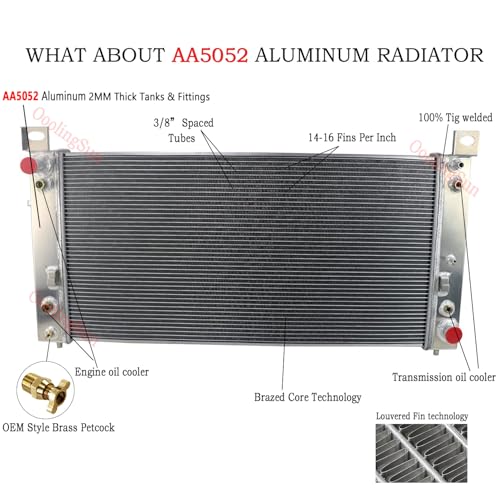
T-5052 Aluminum Construction for Durability
One of the advertised features of the CU2370 radiator is its T-5052 aluminum construction.
5052 aluminum alloy is commonly used in fabricated components because of its corrosion resistance and formability.
The supplied product description identifies the radiator as using T-5052 aluminum, although the exact material specifications for individual components are not independently verified.
Advantages of Aluminum Radiator Construction
Durable End Tanks: Aluminum construction eliminates the plastic tank failure points associated with many aging factory radiators.
Efficient Heat Transfer: Aluminum supports effective transfer of heat from coolant into the radiator core.
Corrosion Resistance: With compatible coolant and proper maintenance, aluminum radiator components can provide dependable service.
Performance Appearance: The raw aluminum finish provides a clean, upgraded appearance under the hood.
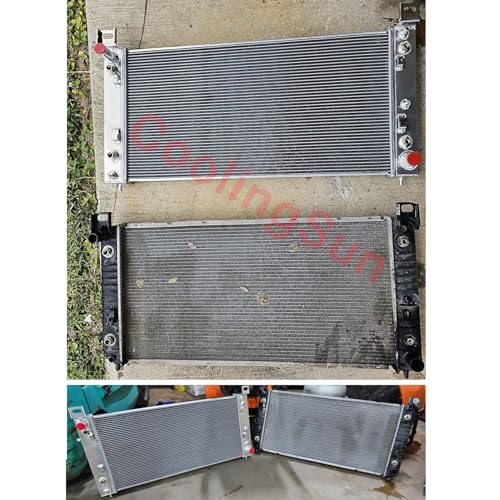
Long-Term Reliability: Replacing a deteriorated radiator can reduce the risk of leaks caused by aging original components.
The result is a performance-oriented radiator designed for enthusiasts who want modern cooling components in their GM truck or SUV.
Vacuum-Brazed Core Without Epoxy
The CU2370 radiator uses a vacuum-brazed aluminum core according to the supplied specifications.
During the brazing process, radiator components are joined using controlled heat and a suitable filler material.
The manufacturer states that the core is manufactured without epoxy bonding.
Benefits of Brazed Radiator Construction
A properly manufactured brazed radiator core can provide:
- Durable joints between cooling tubes and fins.
- Efficient thermal contact between radiator components.
- Consistent heat-transfer performance.
- Resistance to normal cooling system operating conditions.
- A modern alternative to deteriorated factory radiator assemblies.
The quality of the final radiator also depends on manufacturing tolerances, pressure testing, and correct installation.
Vacuum-brazed construction is a useful feature, but it does not make the radiator immune to damage or improper mounting.
Integrated Engine Oil Cooler and Transmission Cooler
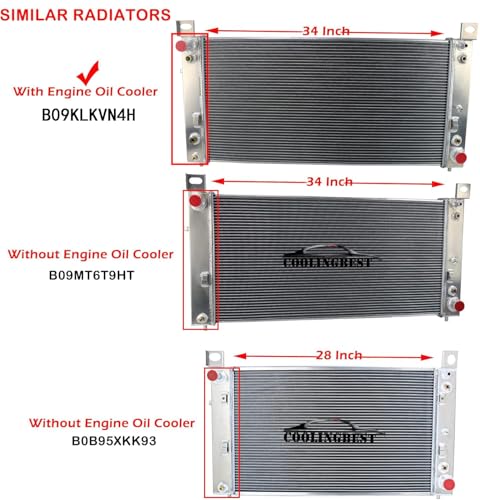
One of the most important features of this radiator is its integrated oil cooling capability.
The supplied specifications identify two separate cooling circuits:
- Engine oil cooler: Driver-side connection.
- Transmission fluid cooler: Passenger-side connection.
These integrated coolers are intended to support compatible GM vehicles equipped with factory radiator-based oil cooling systems.
Why Engine Oil Cooling Matters
Engine oil absorbs heat while lubricating internal engine components.
During towing, heavy hauling, or sustained engine load, oil temperatures can increase.
A properly functioning engine oil cooler helps manage oil temperatures and supports lubrication system performance.
Why Transmission Cooling Matters
Automatic transmissions generate heat during normal operation.
Excessive transmission fluid temperatures can accelerate fluid degradation and contribute to transmission wear.
A properly connected transmission cooler helps regulate transmission fluid temperature.
Important Compatibility Note
The manufacturer states that this radiator can also be used on certain vehicles equipped with a transmission cooler only.
However, unused cooler ports must be handled according to the radiator manufacturer’s instructions.
Before installation, verify that the radiator’s engine oil and transmission cooler fittings are compatible with the vehicle’s original lines.
Do not assume all GM trucks use the same cooler fittings or connection arrangements.
CU2370 Radiator Technical Specifications
| Specification | Details |
|---|---|
| Product Type | Heavy-Duty Aluminum Radiator |
| Radiator Configuration | 3-Row |
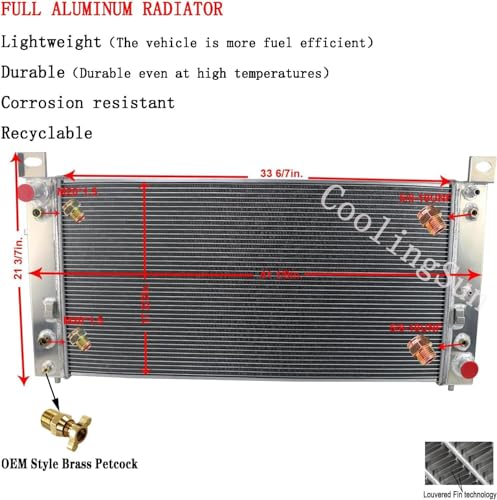
| Advertised Core Width | 34 inches |
| Advertised Core Height | 17.75 inches |
| Advertised Overall Width | 39.5 inches |
| Advertised Overall Height | 19 inches |
| Core Thickness | 2 inches, per detailed specifications |
| Alternate Listed Thickness | 1.75 inches |
| Inlet Diameter | 1.375 inches |
| Outlet Diameter | Approximately 1.57 inches |
| Core Material | Aluminum |
| Tank Material | T-5052 Aluminum |
| Tank Thickness | 2 mm, Advertised |
| Core Construction | Vacuum-Brazed |
| Epoxy Core Bonding | None Advertised |
| Finish | Raw Aluminum |
| Fill Neck | CNC-Machined Aluminum |
| Drain Plug | Brass Petcock |
| Engine Oil Cooler | Included, Driver Side |
| Transmission Cooler | Included, Passenger Side |
| Advertised Cooling Improvement | 30–45% |
| Installation Type | Advertised OE-Style Replacement |
Measurement note: The supplied listing contains conflicting core thickness specifications of 1.75 inches and 2 inches. Confirm the exact radiator dimensions with the seller before ordering.
CU2370 Radiator Part Numbers and Interchange References
The supplied product listing identifies several radiator part numbers and interchange references.
Advertised Radiator Part Numbers
- CU2370
- CC2370
- DPI2370
- Q2370
- RAD2370
- CoolingSun-0102
Advertised Interchange References
- GM3010274
- 15841573
- 25811504
- 52486596
- 52487603
These numbers are supplied as potential cross-reference identifiers.
Important: Interchange numbers should be verified against the original radiator and the vehicle’s VIN before purchasing. Similar-looking GM radiators can differ in core width, hose connections, mounting locations, and oil cooler configurations.
Chevrolet Silverado Radiator Compatibility
The CU2370 radiator is advertised for a broad range of Chevrolet Silverado applications.
Advertised Chevrolet Silverado Fitment
| Model | Advertised Years |
|---|---|
| Silverado 1500 V6/V8 | 2000–2013 |
| Silverado 1500 HD V8 | 2001–2006 |
| Silverado 2500 V8 | 1999–2004 |
| Silverado 2500 HD V8 | 2001–2010 |
| Silverado 3500 V8 | 2001–2006 |
| Silverado 3500 HD V8 | 2007–2010 |
Silverado Cooling System Considerations
The Chevrolet Silverado is available with multiple engines, transmissions, and cooling packages.
Radiator selection may vary depending on:
- Engine displacement.
- Gasoline or diesel configuration.
- Automatic or manual transmission.
- Factory towing package.
- Engine oil cooler equipment.
- Transmission cooler configuration.
- Radiator core width.
- Cooling fan and shroud arrangement.
Because the advertised fitment range spans multiple Silverado generations, verify exact compatibility before ordering.
Chevrolet Tahoe, Suburban, and Avalanche Fitment
The radiator is also advertised for selected Chevrolet full-size SUV and truck-based applications.
Advertised Chevrolet SUV Fitment
| Model | Advertised Years |
|---|---|
| Chevrolet Avalanche V8 | 2007–2013 |
| Chevrolet Suburban 1500 V8 | 2000–2014 |
| Chevrolet Suburban 2500 V8 | 2000–2012 |
| Chevrolet Tahoe V8 | 2000–2014 |
Why Cooling Matters on Full-Size SUVs
Large SUVs place substantial demands on the cooling system during towing, extended highway driving, and hot-weather operation.
A properly functioning radiator helps maintain stable coolant temperatures.
However, different model years and engine configurations can use different radiator arrangements.
Confirm the original radiator dimensions and cooler connections before purchasing.
GMC Sierra and Yukon Radiator Compatibility
The CU2370 radiator is advertised for selected GMC Sierra and Yukon applications.
Advertised GMC Sierra Fitment
| Model | Advertised Years |
|---|---|
| GMC Sierra V8 | 2008 |
| GMC Sierra 1500 V6/V8 | 2001–2013 |
| GMC Sierra 1500 HD V8 | 2006 |
| GMC Sierra 2500 V8 | 1999–2004 |
| GMC Sierra 2500 HD V8 | 2003–2010 |
| GMC Sierra 3500 V8 | 2001–2006 |
| GMC Sierra 3500 HD V8 | 2007–2010 |
Advertised GMC Yukon Fitment
| Model | Advertised Years |
|---|---|
| GMC Yukon V8 | 2000–2014 |
| GMC Yukon XL 1500 V8 | 2001–2014 |
| GMC Yukon XL 2500 V8 | 2000–2013 |
The Sierra and Yukon share many components with corresponding Chevrolet platforms, but radiator interchange is not universal.
Cooling package differences must be verified before installation.
Cadillac Escalade Radiator Compatibility
The radiator is advertised for selected Cadillac Escalade models.
Advertised Cadillac Fitment
| Model | Advertised Years |
|---|---|
| Cadillac Escalade V8 | 2002–2013 |
| Cadillac Escalade ESV V8 | 2003–2014 |
| Cadillac Escalade EXT V8 | Selected 2004, 2005, 2008 and 2009 listings |
Cadillac Escalade models use several V8 engine configurations across the advertised production range.
Radiator fitment can vary with engine, transmission, and cooling system equipment.
Verify the original radiator part number before purchasing.
Hummer H2 Radiator Compatibility
The CU2370 radiator is also advertised for selected Hummer H2 applications.
Advertised Hummer H2 Fitment
- 2003 Hummer H2
- 2005–2009 Hummer H2
The Hummer H2 uses a heavy-duty GM truck-based platform and V8 powertrain.
However, cooling system components may differ from standard Silverado and Sierra applications.
Confirm radiator dimensions, hose connections, and oil cooler fittings before ordering.
Engine Compatibility: GM V6 and V8 Applications
The supplied listing advertises compatibility with several GM engine displacements:
- 4.3L V6
- 4.8L V8
- 5.3L V8
- 5.7L V8
- 6.0L V8
- 6.2L V8
- 6.6L V8
- 8.1L V8
These engines span multiple GM vehicle platforms and cooling system configurations.
Important: Engine displacement alone does not determine radiator compatibility.
For example, diesel-powered 6.6L applications may use substantially different cooling system arrangements than gasoline-powered V8 models.
Verify the vehicle’s VIN, original radiator part number, core dimensions, and cooler configuration before purchasing.
Performance Cooling for Towing and Heavy-Duty Driving
Full-size GM trucks and SUVs are commonly used for towing, hauling, work duties, and long-distance travel.
These conditions can place significant demands on the cooling system.
Towing and Hauling
Towing increases engine load and heat generation.
A properly functioning radiator helps dissipate engine heat during sustained operation.
Hot Weather Driving
Higher ambient temperatures reduce the temperature difference between the radiator and surrounding air.
This makes cooling system condition and airflow especially important.
Stop-and-Go Traffic
During traffic and low-speed operation, radiator airflow depends heavily on the cooling fan system.
A properly functioning radiator and fan assembly helps maintain stable coolant temperatures.
Modified Engines
Performance modifications can increase engine heat output under sustained load.
A properly sized radiator helps dissipate this heat while maintaining adequate coolant circulation.
An upgraded radiator can support cooling system reliability, but it cannot compensate for a malfunctioning thermostat, weak water pump, or improperly functioning cooling fan.
How to Install a CU2370 Aluminum Radiator
Replacing the radiator on a GM truck or SUV can be a manageable DIY project for experienced enthusiasts.
However, installation procedures vary by model year, engine, transmission, and cooling system configuration.
Step 1: Allow the Engine to Cool
Park the vehicle on a level surface and allow the engine to cool completely.
Never remove a radiator cap or coolant reservoir pressure cap while the cooling system is hot or pressurized.
Step 2: Drain the Cooling System
Position a suitable drain pan beneath the radiator.
Drain the coolant according to the applicable factory service procedure.
Inspect the coolant for corrosion, contamination, or debris.
Step 3: Remove the Factory Radiator
Disconnect the upper and lower radiator hoses.
Remove the cooling fan shroud and any components obstructing radiator removal.
Disconnect transmission cooler and engine oil cooler lines where equipped.
Remove the radiator mounting hardware.
Carefully lift the original radiator from the engine compartment.
Step 4: Compare the Replacement Radiator
Before installation, compare the new radiator with the original.
Verify:
- Overall radiator dimensions.
- Mounting bracket locations.
- Upper and lower hose connections.
- Cooling fan and shroud clearance.
- Engine oil cooler fittings.
- Transmission cooler fittings.
- Radiator cap or pressure-control configuration.
- Clearance around engine accessories.
Do not force the radiator into position if the mounting points or hose connections do not match.
Step 5: Install the Aluminum Radiator
Position the replacement radiator into the mounting area.
Confirm that the radiator sits securely and that the mounting points align correctly.
Install the appropriate mounting hardware.
Step 6: Connect Oil Cooler Lines
Reconnect the engine oil cooler and transmission cooler lines using fittings appropriate for the vehicle and radiator.
Do not overtighten fittings or use incompatible adapters.
Verify that all cooler connections are leak-free before operating the vehicle.
Step 7: Reconnect Radiator Hoses
Reconnect the upper and lower radiator hoses using suitable clamps.
Inspect the hoses for cracking, swelling, or deterioration.
Replace damaged hoses before refilling the cooling system.
Step 8: Refill and Bleed the Cooling System
Refill the system using coolant appropriate for the engine and model year.
Follow the factory coolant filling and air-removal procedure.
Trapped air can interfere with coolant circulation and cause overheating.
Step 9: Verify Cooling System Operation
Start the engine and monitor coolant temperature.
Confirm that the thermostat opens and the cooling fans operate correctly.
Inspect all radiator hose connections and oil cooler fittings for leaks.
After the engine cools, recheck coolant level and mounting hardware.
Common GM Truck and SUV Overheating Problems
An upgraded radiator can restore cooling capability, but overheating may result from other mechanical problems.
Aging Factory Radiator
Older radiators can develop leaks, weakened seals, and restricted coolant passages.
Failing Thermostat
A thermostat that remains closed can prevent proper coolant circulation.
Weak Water Pump
A failing water pump may reduce coolant flow or develop leaks.
Cooling Fan Problems
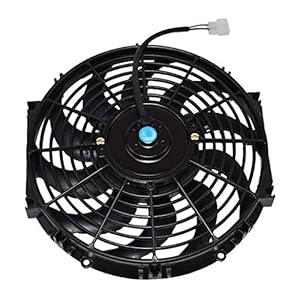
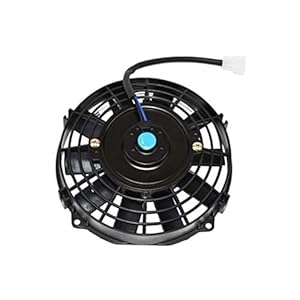
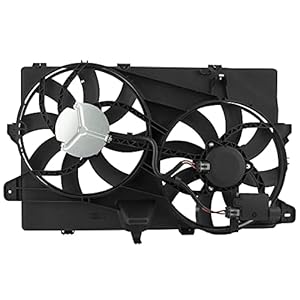
A malfunctioning mechanical fan clutch, electric fan, relay, or control system can reduce airflow through the radiator.
Damaged Radiator Hoses
Cracked or collapsed hoses can cause coolant loss or restrict circulation.
Trapped Air
Air pockets can interfere with coolant circulation after radiator replacement or other cooling system repairs.
Cooling System Pressure Problems
A faulty pressure cap can interfere with proper cooling system pressure regulation.
Internal Engine Problems
Combustion gases entering the cooling system can cause excessive pressure, coolant loss, and overheating.
Before replacing expensive components, inspect the complete cooling system and identify the underlying cause.
Complete Your GM Truck Cooling System Upgrade
When replacing the radiator, consider inspecting related cooling system components.
Radiator Hoses: Replace hoses showing cracks, swelling, or deterioration.
Thermostat: Verify correct operation and replace it when necessary.
Water Pump: Inspect for coolant leaks, bearing noise, and other signs of failure.
Cooling Fans: Confirm proper operation and adequate airflow through the radiator.
Radiator Cap: Verify the correct pressure rating for the cooling system.
Coolant: Use a coolant formulation appropriate for the engine and model year.
Engine Oil Cooler Lines: Inspect for leaks, corrosion, and damaged fittings.
Transmission Cooler Lines: Confirm compatible fittings and proper fluid cooling.
Explore additional Chevrolet, GMC, Cadillac, and Hummer cooling components at Pro Street Online.
Is the CU2370 3-Row Aluminum Radiator Worth It?
For GM truck and SUV owners seeking a durable cooling system upgrade, the CU2370 radiator offers several potential advantages.
Its aluminum construction, vacuum-brazed core, integrated engine oil cooler, and transmission cooler make it an appealing alternative to aging factory radiator designs.
This radiator may be particularly useful for owners who:
- Want to replace a leaking factory radiator.
- Drive a compatible Chevrolet Silverado or GMC Sierra.
- Own a compatible Tahoe, Suburban, Yukon, or Escalade.
- Use their truck for towing or hauling.
- Want additional cooling capability for demanding conditions.
- Prefer durable all-aluminum radiator construction.
- Need integrated engine oil and transmission cooling.
- Are maintaining a modified GM truck or SUV.
Proper fitment remains the most important consideration.
Because the advertised 1999–2014 range spans multiple GM generations, engines, and cooling packages, verify the exact vehicle application before purchasing.
Upgrade Your GM Truck Cooling System at Pro Street Online
Whether you’re maintaining a daily-driven Silverado, restoring a high-mileage Suburban, or upgrading a modified GMC Sierra, dependable engine cooling is essential.
The CU2370 34-Inch 3-Row Aluminum Radiator combines a large aluminum cooling core, T-5052 aluminum construction, vacuum-brazed manufacturing, and integrated engine oil and transmission coolers in a performance-oriented cooling package.
Advertised for compatible Chevrolet, GMC, Cadillac, and Hummer applications, this radiator offers an upgrade path for owners seeking modern cooling system durability and heat-transfer capability.
Shop GM truck aluminum radiators, heavy-duty cooling upgrades, engine oil coolers, transmission cooling components, and performance parts at www.ProStreetOnline.com.







There are no reviews yet.