
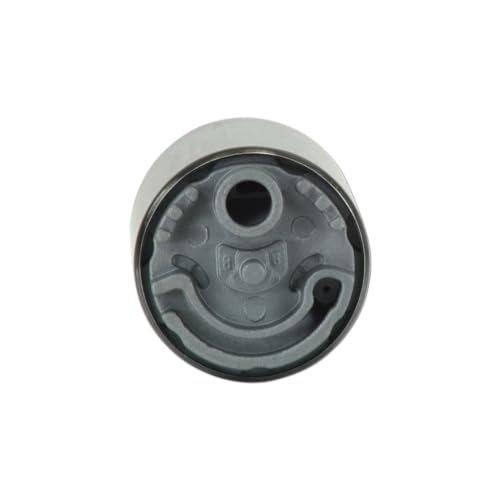
Why Upgrade to a 340LPH Fuel Pump?
Your engine can only make power when the fuel system keeps pace with airflow.
Adding a turbocharger, supercharger, larger injectors, aggressive ECU calibration or additional boost can push the factory fuel pump beyond its intended operating range. Once fuel volume begins falling behind demand, fuel pressure and air/fuel ratio can become difficult to maintain under load.
A properly selected 340LPH performance fuel pump provides additional capacity for modified engines while retaining the advantages of an in-tank installation.
Our fuel pump upgrade guide explains why pump capacity should be matched to horsepower goals, fuel type, pressure and electrical supply rather than simply installing the biggest pump available.
A Smart Choice for E85 Conversions
E85 can be extremely attractive for turbocharged and high-compression performance engines, but converting to ethanol requires more than simply filling the tank with different fuel.
Fuel-pump capacity, injector size, fuel lines, seals, filtration and ECU calibration all need to be considered.
Our complete How to Convert to E85 guide covers the basic hardware changes involved in moving a performance vehicle from gasoline to ethanol fuel.
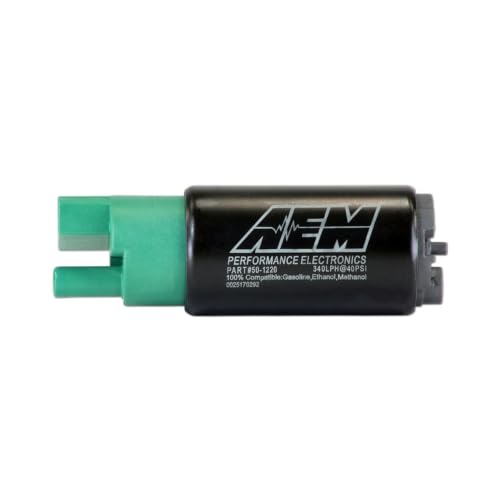
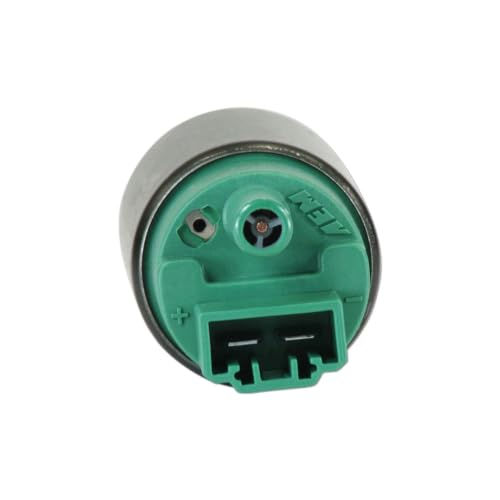
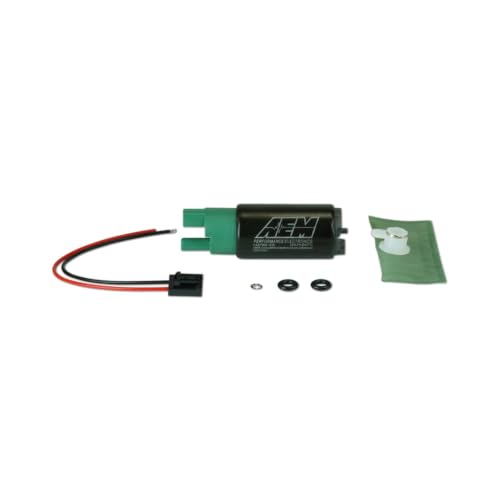
For builds that require additional fuel-system capacity, the AEM 50-1220 340LPH pump provides an ethanol-compatible foundation without forcing the builder into a complicated external-pump configuration.
Don’t Forget Your Fuel Injectors
A higher-flow pump cannot compensate for injectors that have already reached their usable capacity.
E85 applications are especially sensitive to this because the engine requires considerably greater fuel volume. If you’re increasing boost or converting from gasoline to ethanol, evaluate injector capacity at the same time as the pump.
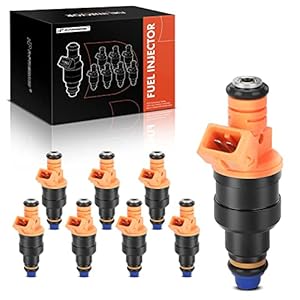
Our guide to fuel injector upgrade benefits explains how injector sizing, duty cycle and increased airflow affect the rest of the fuel system.
Pairing appropriately sized injectors with a capable 340LPH E85 fuel pump gives the tuner the fuel-delivery headroom necessary to properly calibrate the engine.
Check Your Fuel Lines Before Converting to E85
Older factory hoses and fuel-system components were not necessarily designed around high ethanol concentrations.
If you’re building a dedicated E85 vehicle, inspect the complete fuel path rather than stopping at the pump.
Pro Street’s E85 fuel-line upgrade guide covers upgrading feed and return lines for the additional flow and material-compatibility requirements associated with ethanol.
A 340LPH pump can move plenty of fuel, but restrictive lines, filters or fittings can still become bottlenecks. Because apparently horsepower enjoys finding the one component you forgot to upgrade.
Return or Returnless Fuel System?
Before installing a significantly higher-flow pump, determine how your vehicle regulates fuel pressure.
Modern vehicles commonly use returnless fuel systems, while many modified and older performance applications use a traditional return-style regulator and return line.
Neither design automatically makes the AEM pump appropriate or inappropriate, but system architecture matters when increasing pump capacity.
Read our comparison of returnless versus return fuel systems to understand how each configuration manages pressure and what changes may be necessary when increasing fuel flow.
Fuel-Pump Wiring Matters
High-flow fuel pumps depend on adequate voltage.
Old wiring, undersized conductors, weak grounds and voltage drop can reduce pump performance even when the pump itself is capable of considerably more flow. Modified applications may benefit from an upgraded fuel-pump wiring circuit and relay arrangement depending on the vehicle and electrical requirements.
Always verify the electrical requirements of the AEM 50-1220 against the vehicle’s existing fuel-pump circuit before installation.
A 340LPH sticker doesn’t magically make 340LPH appear at the fuel rail when the pump is being powered through wiring that remembers dial-up internet.
Ideal Applications
The AEM 50-1220 High Flow In-Tank Fuel Pump is an excellent candidate for performance vehicles running:
- E85 or flex fuel
- High-performance gasoline
- Ethanol-based racing fuels
- Methanol-compatible fuel systems
- Turbocharger upgrades
- Supercharger systems
- Larger fuel injectors
- Increased boost pressure
- ECU tuning
- Engine swaps
- Street/strip builds
- Track and drift vehicles
- High-output naturally aspirated engines
Actual fuel-system capacity depends on operating pressure, voltage, fuel type, injectors, lines, regulator configuration and the complete vehicle combination.
Why Choose the AEM 50-1220 340LPH Fuel Pump?
The appeal of the AEM 50-1220 is straightforward: it combines high fuel-flow capability with broad fuel compatibility in a compact in-tank configuration.
For builders planning an E85 conversion, increasing boost or upgrading injectors, installing a fuel pump designed for alcohol-based fuels provides a much stronger foundation than asking an aging stock pump to somehow develop a new work ethic.
Match the pump to your horsepower target, verify fitment and electrical requirements, and build the rest of the fuel system around the flow your engine actually needs.
Product Specifications
Brand: AEM
Part Number: 50-1220
Product Type: High-Flow In-Tank Electric Fuel Pump
Rated Flow: 340 LPH
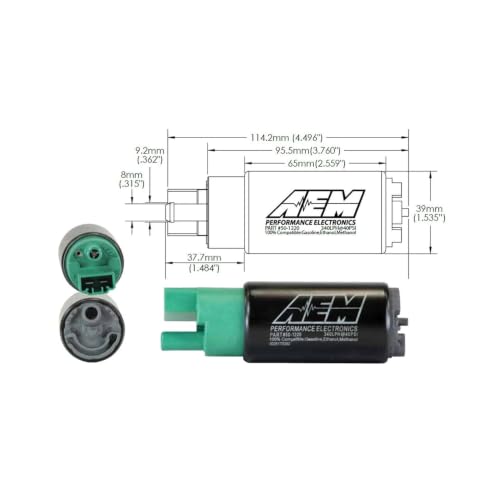
Pump Length: 65mm configuration
Inlet: Inline inlet
Fuel Compatibility: Gasoline, ethanol fuels up to E100 and methanol fuels up to M100
Installation Type: In-tank
Recommended Use: Performance, turbocharged, supercharged, E85, flex-fuel and racing applications
Fitment Note: This is a performance fuel-system component. Verify physical dimensions, inlet/outlet configuration, electrical requirements and vehicle-specific installation requirements before ordering.






There are no reviews yet.