
Important Two-Pin Coil Fitment
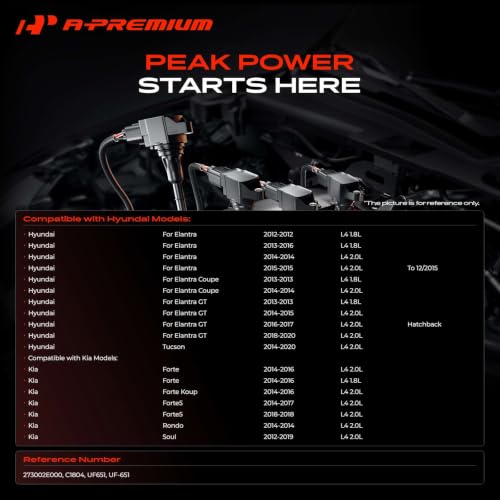
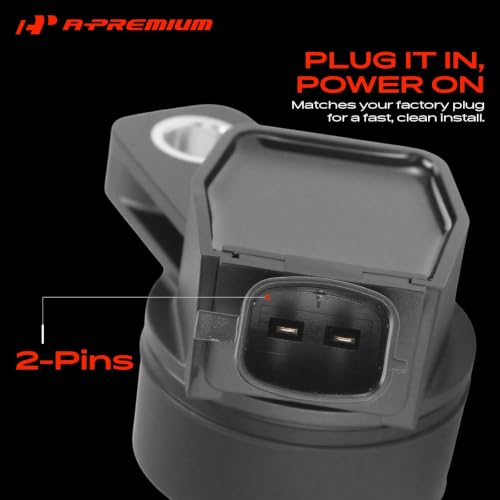
These UF651-style coils use a two-terminal blade connector. They will not fit applications equipped with a different connector, coil body or mounting configuration.
Confirm the following before purchase:
- Two-terminal coil connector
- Compatible 1.8L or 2.0L four-cylinder engine
- Matching mounting location and bolt pattern
- Correct production date where listed
- Matching OE or interchange number
Reference Numbers
This kit may replace or interchange with:
- UF651
- UF-651
- 27300-2E000
- C1804
Reference numbers are supplied for identification. Always compare the original part and confirm vehicle specifications before installation.
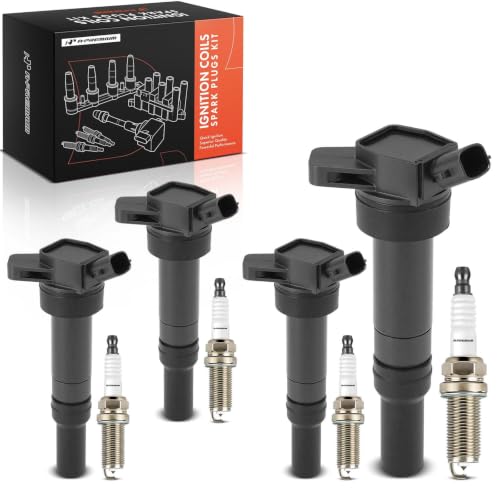
Complete Four-Cylinder Ignition Kit
The package includes:
- Four ignition coils
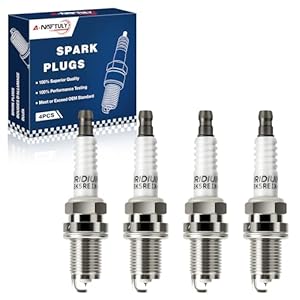
- Four iridium spark plugs
- Two-terminal blade-style coil connectors
- Bolt-on coil-on-plug configuration
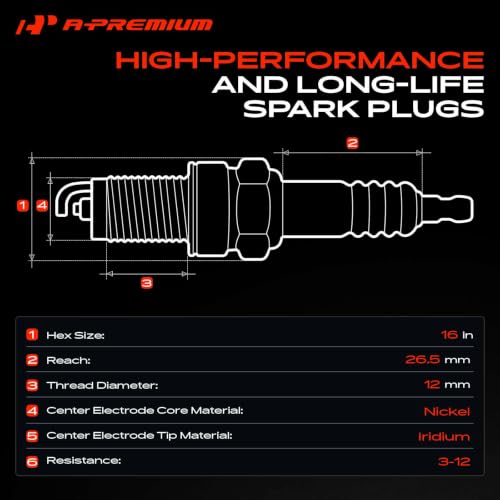
- 12 mm spark-plug thread diameter
- One-year unlimited-mileage warranty
Replacing all four coils and plugs together helps maintain consistent ignition performance across every cylinder. It also avoids pairing one new component with three aging originals and hoping the engine computer appreciates the experiment.
Built for Consistent Spark Delivery
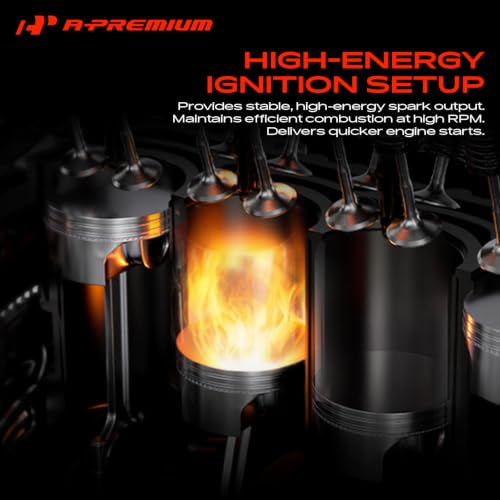
Each ignition coil converts the vehicle’s low-voltage electrical supply into the high voltage required to fire its spark plug. Heat, vibration, oil contamination and worn spark plugs can eventually weaken that output.
The bolt-on UF651-style coils are designed as direct replacements for compatible factory components. Their epoxy-insulated construction helps protect the internal windings from engine heat and vibration.
If your vehicle is already showing problems, review Pro Street’s guide to common ignition-coil symptoms before throwing parts at it.
Iridium Spark Plugs
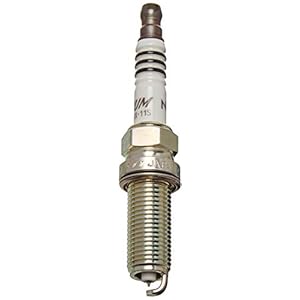
The included plugs use fine-wire iridium center electrodes with nickel-alloy ground electrodes. Iridium offers strong resistance to electrical and thermal wear, helping the plugs maintain a focused spark over an extended service interval.
Potential benefits of replacing worn plugs include:
- Easier starting
- Smoother idle
- More consistent acceleration
- Reduced ignition-related hesitation
- Fewer misfires under load
- Restoration of fuel economy lost to worn ignition parts
New plugs cannot create magical fuel economy or horsepower. They can restore performance that worn plugs were quietly stealing, which is useful enough without adding marketing fairy dust.
For more information, read how to select the correct spark plugs or review NGK’s spark-plug technical resources.
Symptoms This Kit May Address
A worn ignition coil or spark plug may cause:
- Rough or unstable idle
- Extended cranking
- Difficult cold starts
- Hesitation during acceleration
- Reduced engine power
- Poor fuel economy
- Engine shaking
- Flashing or illuminated check-engine light
- Random or cylinder-specific misfire codes
- P0300, P0301, P0302, P0303 or P0304
These symptoms can also come from injector faults, vacuum leaks, wiring damage, low compression or fuel-delivery problems. Review Pro Street’s engine-misfire diagnosis guide before assuming the coils are automatically guilty.
Product Specifications
| Specification | Details |
|---|---|
| Number of coils | 4 |
| Number of spark plugs | 4 |
| Coil terminals | 2 |
| Terminal type | Blade |
| Mounting type | Bolt-on |
| Mounting location | Valve cover |
| Listed primary resistance | 0.77 ohm |
| Listed secondary resistance | 7.7 kΩ |
| Center electrode | Iridium |
| Ground electrode | Nickel alloy |
| Spark-plug thread diameter | 12 mm |
| Listed plug gap | 0.7–0.8 mm |
| Listed installation torque | 15–20 N·m |
| Warranty | One year, unlimited mileage |
Spark-Plug Gap Correction
The supplied specification stating a 0.7–0.8-inch gap is incorrect. That measurement should be 0.7–0.8 millimeters, equivalent to approximately 0.028–0.031 inch.
Check the required gap for the exact engine, model year and spark-plug number before installation. Do not assume every Hyundai and Kia engine in the fitment list uses an identical specification.
Measure each plug with a proper wire-style gap gauge. Avoid placing pressure against the fine iridium center electrode because precision ignition components tend to work better before they are bent.
Installation Notes
Install the coils and plugs only when the engine is cool.
- Disconnect the negative battery terminal when required by the service procedure.
- Remove the engine cover and disconnect each coil connector.
- Remove the coil retaining bolts and lift out the old coils.
- Clear dirt from the plug wells before removing the plugs.
- Inspect each plug well for oil, coolant, moisture or damaged wiring.
- Verify the gap and thread specifications of the replacement plugs.
- Start every plug by hand to prevent cross-threading.
- Tighten the plugs to the vehicle manufacturer’s specification.
- Install the coils, reconnect the wiring and reinstall the engine cover.
- Clear stored fault codes and test the engine under normal operating conditions.
Do not overtighten the spark plugs. The cylinder head is aluminum, and stripped threads can turn an ordinary tune-up into a much more creative weekend.
Why Replace Coils and Plugs Together?
Worn spark plugs require more voltage to fire. That additional electrical demand can place extra stress on aging ignition coils. Replacing both components together provides:
- Consistent parts across all four cylinders
- Reduced risk of repeat ignition work
- A better baseline for misfire diagnosis
- Fewer mismatched old and new components
- More dependable operation under acceleration
This kit is a practical maintenance solution for compatible Hyundai and Kia engines experiencing worn-plug or weak-coil symptoms.







There are no reviews yet.