
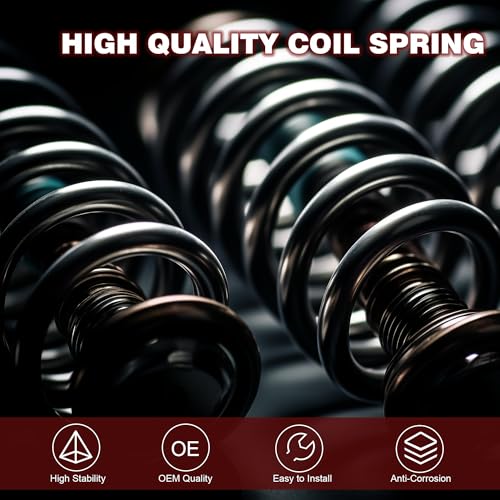
V8 Applications Only
The supplied fitment specifies V8-powered trucks. Potential engine applications include select:
- 4.8-liter Vortec V8
- 5.3-liter Vortec V8
- 6.0-liter Vortec V8 where specifically confirmed
Do not automatically list the springs for the 4.3-liter V6. Different engine weight can affect the front spring requirement and finished ride height.
Compatibility with the heavier 6.0-liter engine should also be verified by the exact spring part number and front axle rating.
Two-Wheel Drive Only
These are front coil springs intended for compatible 2WD trucks.
Do not list them for:
- Silverado 1500 4WD
- Sierra 1500 4WD
- Z71 4WD models
- Trucks with torsion-bar front suspension
- Four-wheel-drive conversions
GMT800 four-wheel-drive models use a different front suspension arrangement. A coil spring is not an ambitious substitute for a torsion bar, regardless of what an online compatibility dropdown claims.
Models Requiring Separate Verification
Confirm compatibility before ordering for:
- Silverado or Sierra extended-cab models
- Crew-cab models
- Long-bed trucks
- 6.0-liter V8 applications
- Silverado SS
- GMC Sierra Denali
- Vortec Max packages
- Quadrasteer models
- Heavy-duty payload packages
- Trucks with snow-plow preparation
- Vehicles with aftermarket control arms
- Trucks already equipped with drop spindles
- Engine-swapped vehicles
Do not assume compatibility with:
- Silverado or Sierra 1500HD
- Silverado or Sierra 2500
- Silverado or Sierra 2500HD
- Silverado or Sierra 3500
- 2007 new-body GMT900 trucks
- Chevrolet Avalanche
- Chevrolet Tahoe or Suburban
- GMC Yukon or Yukon XL
- Cadillac Escalade
- Four-wheel-drive models
The “1500” designation matters. HD trucks use different chassis and suspension hardware even when the front grille looks close enough to confuse an online marketplace.
Three-Inch Front Drop
The advertised lowering amount is:
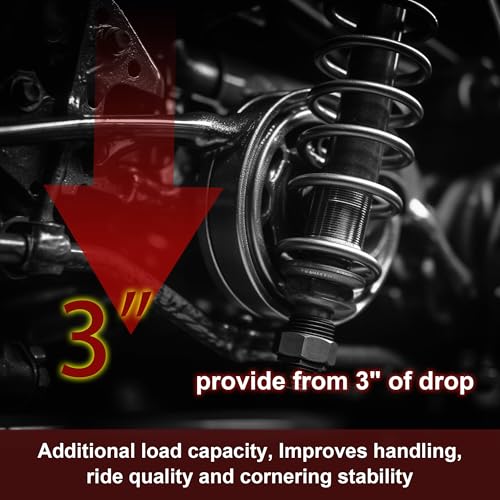
- Front: approximately three inches
- Rear: no rear components included
A three-inch front reduction is substantial. It can significantly close the front wheel gap and reduce the factory rake, but it also decreases available suspension travel.
Actual ride-height change may vary according to:
- Cab and bed configuration
- Engine weight
- Factory spring package
- Front axle rating
- Existing spring wear
- Added accessories
- Shock condition
- Wheel and tire dimensions
- Previous suspension modifications
- Normal spring settling
Measure the factory ride height from the wheel-hub center to the fender opening before installation. Repeat the measurement after installation and again after the springs settle.
Front Springs—not Rear Support Springs
The supplied sales copy refers to a “rear coil spring” and claims the kit improves rear-end support. Those statements do not match the stated product or package contents.
This product includes:
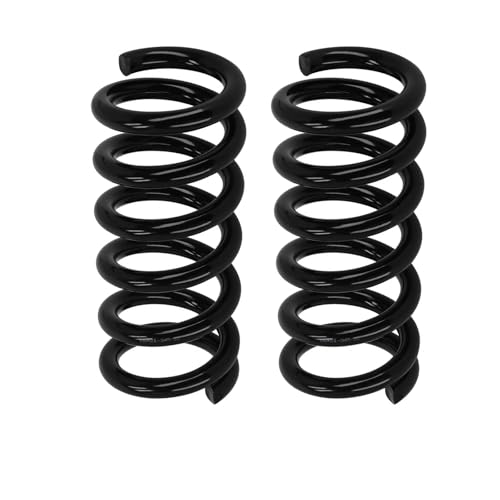
- Two front lowering coil springs
It does not include rear springs, and it cannot increase rear load capacity or rear suspension support.
The published description should not claim:
- Increased rear payload capacity
- Improved rear-end support
- Reduced rear sag
- Replacement of rear leaf springs
- Improved towing capacity
Silverado and Sierra pickups in this application use rear leaf springs. Apparently the original description wandered over from another product page and decided to stay.
Powder-Coated Steel Construction
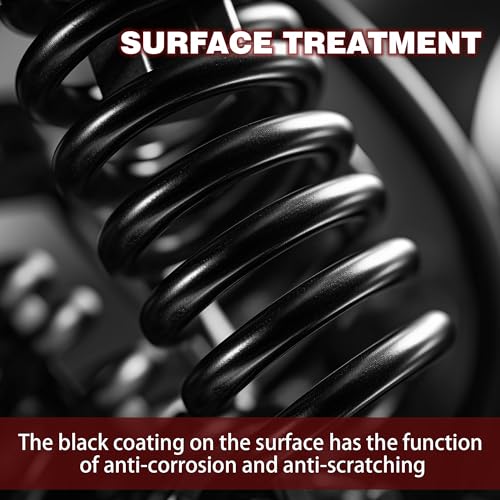
The springs feature a powder-coated exterior intended to protect the metal surface against:
- Moisture
- Road salt
- Dirt and road debris
- Minor surface abrasion
- Common automotive contaminants
Powder coating can improve corrosion resistance, but it does not make the spring immune to damage. Inspect the coating during routine suspension service, especially in areas where road salt is used.
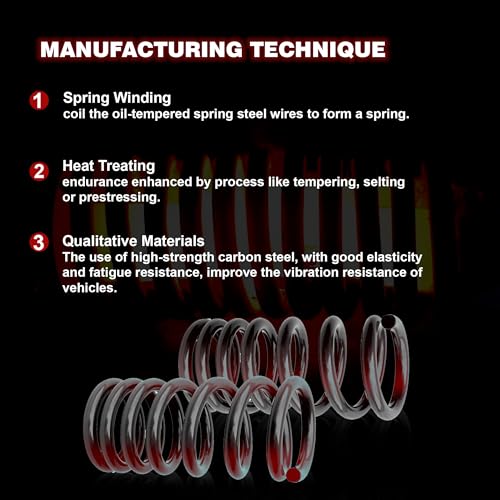
The supplied information does not identify the steel grade, manufacturing process, spring rate or testing standard. Those specifications should not be invented or inferred.
Handling Changes
Lowering the front of the truck reduces its center of gravity and changes the relationship between the chassis, suspension and steering components.
Potential effects include:
- Reduced front wheel gap
- Less body movement during cornering
- Reduced nose rise during acceleration
- More immediate steering response
- A level or forward-rake appearance
- Firmer front suspension behavior
Handling improvement is not guaranteed by ride height alone. Shock control, alignment, tires, control-arm geometry and rear ride height all affect how the truck responds.
A three-inch front-only drop can also alter the truck’s rake and handling balance. Compare the new front height with the rear suspension before deciding whether a matching rear lowering kit is required.
Reduced Suspension Travel
Installing shorter front springs moves the suspension closer to the bump stops at normal ride height.
Potential consequences include:
- Reduced compression travel
- More frequent bump-stop contact
- Harsh response over potholes
- Premature shock wear
- Poor rebound control
- Tire-to-fender contact
- Reduced underbody clearance
- Increased sensitivity to wheel offset
The final setup may require lowering-compatible shocks, revised bump stops or other application-specific components. Do not cut factory or replacement springs to obtain additional drop.
The My Pro Street lowering-spring and shock-wear guide explains how lowered ride height affects shock travel and service life.
Factory Shock Compatibility
The supplied listing does not confirm whether factory-length shocks are recommended with the three-inch drop.
Standard shocks may physically install but operate too far into their travel. This can cause:
- Frequent bottoming
- Weak rebound control
- Excessive bouncing
- Internal shock damage
- Unstable behavior over rough pavement
- Accelerated tire wear
Use shocks designed for the final lowered ride height whenever the suspension manufacturer recommends them. If the existing shocks are old, leaking or weak, replace them during installation.
Suspension Geometry
A three-inch drop changes control-arm, tie-rod and ball-joint operating angles. Depending on the truck, additional components may be needed to restore acceptable geometry.
Inspect or verify:
- Upper control-arm angle
- Lower control-arm clearance
- Ball-joint operating range
- Tie-rod angle
- Bump-steer behavior
- Shock travel
- Bump-stop clearance
- Sway-bar clearance
- Crossmember ground clearance
If the truck already has drop spindles, aftermarket control arms or modified spring pockets, do not stack lowering methods without confirming the total engineered drop.
Suspension Inspection Before Installation
Inspect the following components before fitting the springs:
- Upper control arms
- Lower control arms
- Ball joints
- Control-arm bushings
- Tie-rod ends
- Idler arm
- Pitman arm
- Center link
- Front shocks
- Shock mounts
- Spring pockets
- Spring isolators
- Bump stops
- Wheel bearings
- Brake hoses
- ABS sensor wiring
- Sway-bar links and bushings
The oldest trucks covered by this kit are more than 25 years old. New springs will not repair loose steering parts, worn bushings or ball joints that retired emotionally several owners ago.
Wheel and Tire Clearance
A three-inch front drop reduces clearance around the tires and suspension.
Check:
- Tire-to-fender clearance
- Tire-to-inner-liner clearance
- Wheel offset
- Wheel width
- Tire diameter
- Full steering lock
- Full suspension compression
- Brake-hose routing
- ABS-wire clearance
- Front crossmember clearance
- Exhaust clearance
Oversized wheels, wide tires, wheel spacers and aggressive offsets increase rubbing risk. Clearance must be checked with the truck on the ground and through the complete steering range.
Installation Requirements
These springs install in the factory front coil-spring locations, but the job requires proper lifting, support and spring-control equipment.
A typical installation includes:
- Confirming the truck is a compatible 2WD V8 1500.
- Identifying a 2007 truck as Classic or new-body style.
- Measuring the original front ride height.
- Raising and safely supporting the truck.
- Supporting the lower control arm.
- Disconnecting the necessary steering and suspension components.
- Carefully releasing the factory spring tension.
- Removing the original front coil springs.
- Inspecting spring pockets, isolators and bump stops.
- Installing the lowering springs in the correct orientation.
- Confirming both coils are fully seated.
- Checking shock and bump-stop travel.
- Verifying brake-hose and ABS-wire routing.
- Torquing suspension fasteners correctly.
- Performing a professional alignment.
Professional installation is recommended. A truck coil spring stores enough energy to turn an improvised removal method into a very short instructional video.
Alignment Is Mandatory
A professional front alignment should be performed immediately after installation.
The technician should inspect:
- Camber
- Caster
- Toe
- Steering-wheel centering
- Ride-height symmetry
- Ball-joint angle
- Tie-rod position
- Tire clearance
A three-inch drop may exceed the adjustment range of worn or factory components. Aftermarket control arms or alignment hardware may be required.
Incorrect toe can destroy front tires rapidly even if the truck appears to drive straight. The NHTSA tire-safety guide provides additional information about tire wear and inspection.
Load and Towing Considerations
These springs are intended to alter front ride height—not increase payload or towing capacity.
Do not exceed the vehicle’s:
- Gross vehicle weight rating
- Front gross axle weight rating
- Rear gross axle weight rating
- Payload rating
- Trailer rating
Lowering may reduce clearance when towing, carrying cargo or entering steep driveways. Any change in suspension geometry should be evaluated before the truck is used for heavy hauling.
Package Contents
The package includes:
- Two front three-inch lowering coil springs
The following are not listed as included:
- Front shocks
- Rear lowering components
- Drop spindles
- Control arms
- Ball joints
- Bump stops
- Spring isolators
- Alignment hardware
- Installation tools
Confirm the exact package contents before ordering.
Frequently Asked Questions
What vehicles do these springs fit?
They are advertised for select V8-powered 1999–2007 Chevrolet Silverado 1500 and GMC Sierra 1500 trucks with front coil springs.
Do they fit 4WD trucks?
No confirmed 4WD fitment is provided. These front coils are intended for applicable 2WD trucks; 4WD GMT800 models use torsion-bar front suspension.
Do they fit a 2007 Silverado or Sierra?
They should only be listed for the 2007 Classic unless the manufacturer confirms compatibility with the redesigned GMT900 truck.
Do they fit V6 models?
No. The supplied application specifies V8 engines only.
Do they fit 1500HD or 2500HD trucks?
No confirmed HD fitment is provided. These springs should be limited to compatible light-duty 1500 models.
How much do they lower the front?
The advertised front drop is approximately three inches.
Are rear springs included?
No. The package contains two front coil springs. References to rear springs in the supplied copy are incorrect.
Will these springs increase payload capacity?
No. Lowering springs do not increase the manufacturer’s payload, axle or towing ratings.
Can factory shocks be reused?
That is not confirmed in the supplied specifications. A three-inch drop may require shorter or lowering-compatible shocks.
Is an alignment required?
Yes. A professional alignment is mandatory after installation.
Final Verdict
The Gleyi front lowering springs offer an advertised three-inch drop for select V8-powered, two-wheel-drive GMT800 Silverado and Sierra 1500 trucks. They can substantially reduce front wheel gap and create a lower street-truck stance.
The application must be narrowed carefully. Verify 2WD, V8 power, light-duty 1500 chassis and 2007 Classic status before ordering. Budget for an alignment and inspect whether lowering-compatible shocks or supporting suspension components are needed.
Visit My Pro Street for more truck suspension guides, installation advice and lowering-component reviews.






There are no reviews yet.