


Stage 3 performance for modified Preludes
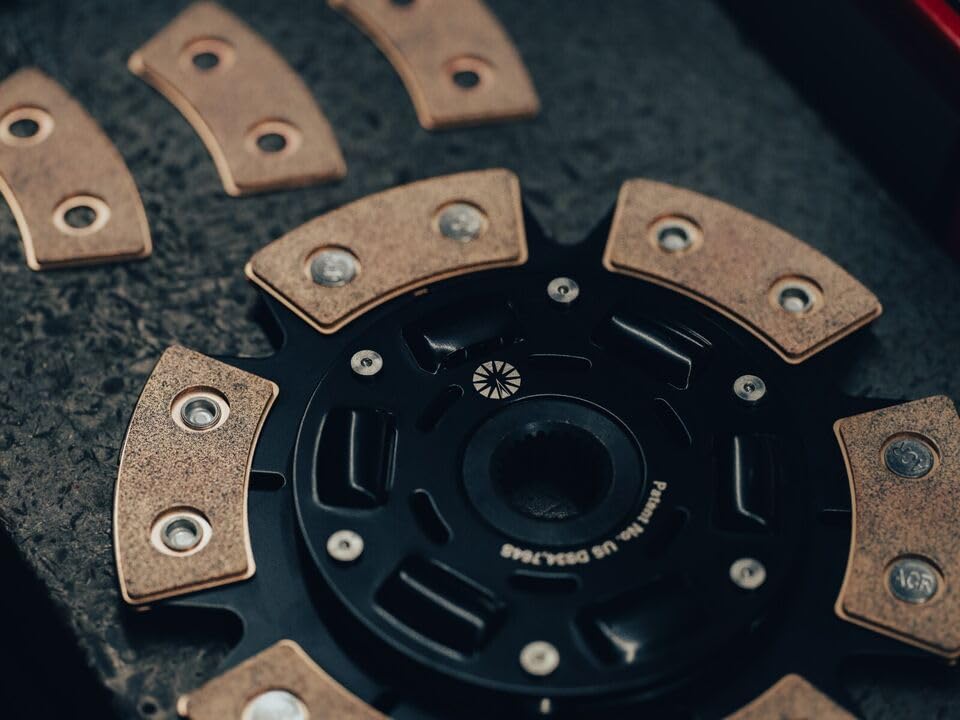
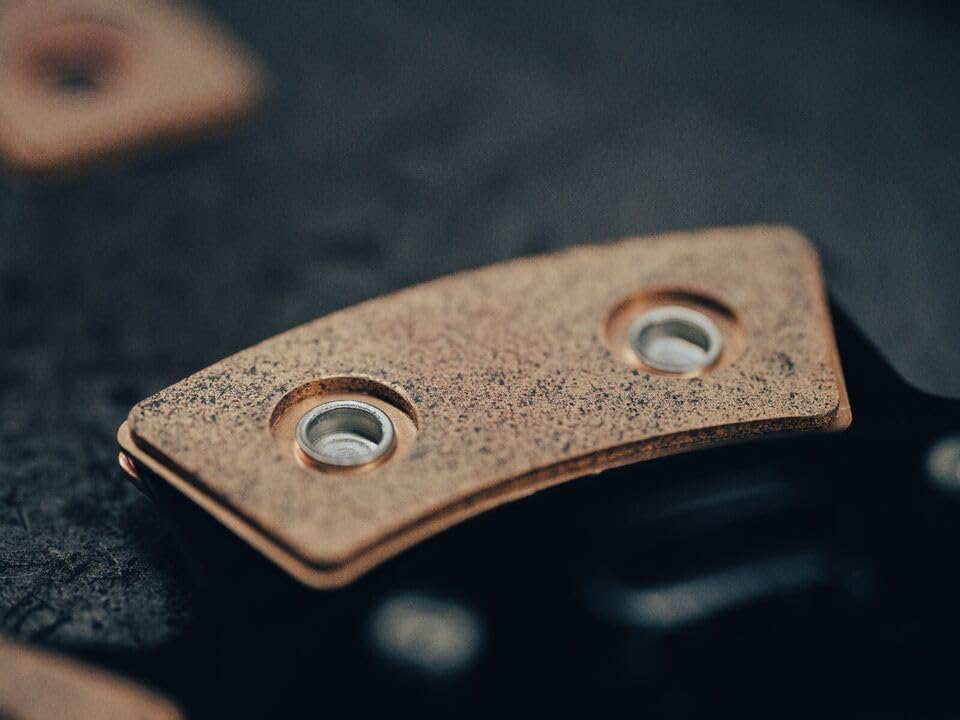
The heart of this kit is its sprung six-puck MIBA ceramic clutch disc. Its segmented friction surface is designed to engage more aggressively and manage greater heat and torque than a full-face organic disc.
Action Clutch claims approximately 170% more holding capacity than the factory clutch, with a stated capacity of 302 horsepower and 297 lb-ft of crankshaft torque. Those figures should be treated as manufacturer ratings—not wheel-horsepower limits. Vehicle weight, tire grip, tuning, torque delivery, launch technique, and heat can all affect real-world clutch life.
The kit is best suited to builds such as:
- Naturally aspirated H22 or H23 street cars with substantial modifications
- Mild turbocharged or supercharged Prelude builds within the rated torque capacity
- Cars used for occasional drag, drift, autocross, or road-course events
- Drivers willing to trade some low-speed smoothness for stronger engagement
A nearly stock commuter may be better served by a Stage 1 or Stage 2 clutch. Choosing the most aggressive clutch available is not automatically an upgrade if the car spends most of its life inching through traffic.
See our performance clutch review for street and track for more help matching clutch construction to the way a vehicle is actually driven.
What comes in the kit?
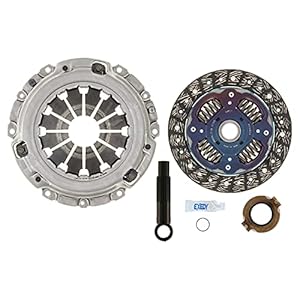
The supplied package includes:
- Heavy-duty single-diaphragm pressure plate
- Sprung six-puck MIBA ceramic clutch disc
- Premium throwout bearing
- Premium pilot bearing
- Clutch alignment tool
The disc is listed at 8-5/8 inches, with a 1-1/16-inch, 24-spline hub. The complete assembly is listed at approximately 15 pounds and is represented as meeting SFI 1.1 requirements.
A flywheel is not included in the supplied kit contents. Inspect the existing flywheel before installation and confirm whether it can be resurfaced within Honda’s service limits. Replace a cracked, heat-checked, warped, or excessively worn flywheel.
What will it feel like on the street?
A six-puck ceramic clutch does not behave like the soft factory organic clutch Honda installed in the Prelude. Expect:
- Faster, more positive engagement
- A smaller modulation window
- More effort during smooth low-speed takeoffs
- Possible chatter during initial engagement
- Less comfort in heavy stop-and-go traffic
The sprung hub helps absorb drivetrain shock, but this remains a performance-oriented clutch. Some chatter may diminish after break-in, although owners should not expect factory-level refinement.
The tradeoff makes sense when a modified engine is overpowering an organic clutch. It makes less sense when the main goal is making the morning commute easier.
Installation considerations
Clutch replacement requires transmission removal, so inspect the surrounding components while access is available. Check the rear main seal, transmission input seal, clutch fork, pivot point, hydraulic system, engine mounts, and axle seals.
Before installation:
- Confirm the box label shows the correct Action Clutch SKU.
- Compare the new disc’s spline count and diameter with the removed component.
- Clean the pressure-plate and flywheel surfaces with residue-free brake cleaner.
- Keep grease and fingerprints away from the friction surfaces.
- Inspect or resurface the flywheel as required.
- Tighten the pressure plate gradually using the specified sequence and torque.
- Verify clutch hydraulic operation before driving.
Always follow the Honda service manual and Action Clutch instructions. The National Highway Traffic Safety Administration VIN decoder can help identify the vehicle, but it cannot reliably confirm the components installed in an engine-swapped car.
Required 500-mile break-in
Action Clutch specifies a 500-street-mile break-in period. During this period:
- Keep engine speed below 4,500 rpm
- Use no more than half throttle
- Avoid boost where applicable
- Do not launch the car
- Avoid drag racing, drifting, dyno pulls, or hard shifting
- Use normal stop-and-go engagement cycles
Highway mileage alone provides relatively few clutch cycles, so 500 miles of steady freeway driving is not equivalent to a proper street break-in. The goal is to gradually mate the disc, pressure plate, and flywheel surfaces without creating concentrated hot spots.
Improper break-in can cause glazing, chatter, reduced holding capacity, premature wear, and warranty problems.
Is this the right clutch for your build?
This Action Clutch Stage 3 kit is a strong candidate for a manual-transmission Honda Prelude with a verified H22 or H23 DOHC application, increased engine output, and regular performance use. Its six-puck ceramic disc delivers considerably more aggressive engagement than a standard replacement clutch.
For a stock daily driver, an organic clutch will normally offer smoother engagement and better traffic manners. For a higher-torque race build, the stated 297 lb-ft crank-torque rating may not provide enough safety margin.
The deciding factor should be measured or realistically estimated engine torque—not the most ambitious horsepower number discussed in the garage.
Browse additional performance parts and drivetrain products at ProStreetOnline or visit My Pro Street for more installation guides, vehicle fitment information, and project-car advice.








There are no reviews yet.