



Confirm:
- Year, make and model
- Sedan, hatchback or Touring body style
- 2.0L engine
- Manual transmission
- Clutch-disc diameter and spline count
- Flywheel bolt pattern
- Exact AMC or XTD kit number
Use the NHTSA VIN decoder for basic vehicle identification, followed by the manufacturer’s fitment catalog for the exact clutch kit.
Brand and warranty warning
The title identifies this as an AMC Stage 2 kit, but the supplied warranty language refers to XTD products. AMC and XTD should not be treated as interchangeable brands without seller confirmation.
Before publishing or purchasing, obtain:
- The manufacturer’s complete part number
- A photograph of the product label
- Written confirmation of the brand
- Written confirmation of warranty coverage
- The applicable warranty administrator
The advertised coverage is six months or 12,000 miles, but that should be attributed to the seller until the brand discrepancy is resolved.
What comes in the clutch and flywheel kit?
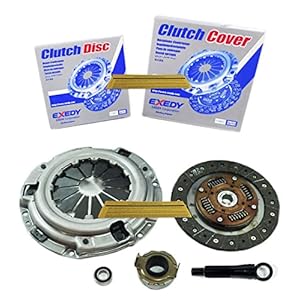
The title identifies the package as a Stage 2 clutch and LuK flywheel kit. A complete package should include:
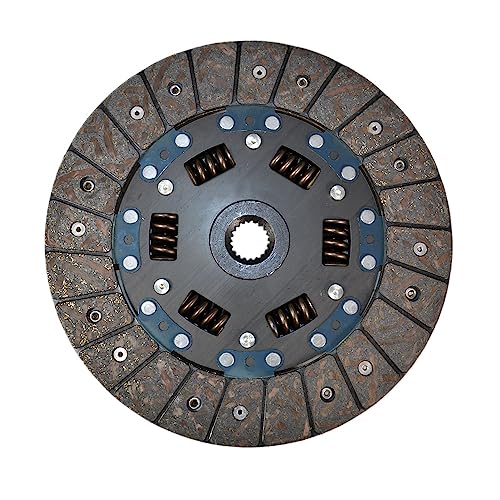
- Stage 2 clutch disc
- Pressure plate
- LuK replacement flywheel
- Throwout or release bearing
- Pilot bearing or bushing, when applicable
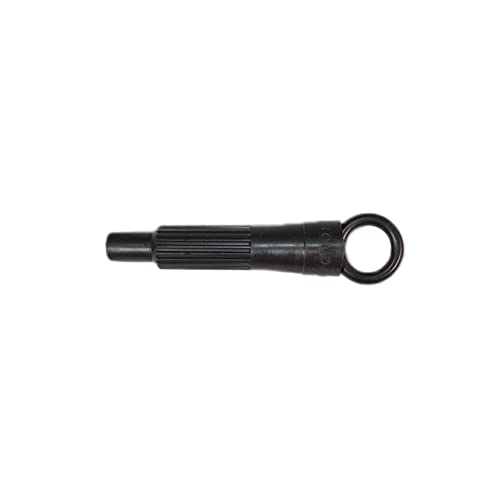
- Clutch alignment tool
The supplied description does not provide the clutch-disc diameter, spline count, friction material or flywheel part number. Those specifications should be added before the page goes live. “It looks about right” remains a terrible transmission-installation strategy.
What does a Stage 2 clutch change?
A Stage 2 street clutch generally offers more holding capacity than an original-equipment replacement while retaining enough modulation for normal road use. Depending on the actual friction material and pressure-plate load, owners may notice:
- Firmer clutch engagement
- Slightly greater pedal effort
- Increased torque capacity
- More direct power transfer
- Less tolerance for excessive slipping
- Possible chatter during low-speed engagement
Because the listing does not identify the disc material or torque rating, avoid publishing a specific horsepower capacity. Ask the seller for the rated crank torque, since torque determines whether a clutch can hold a modified engine’s output.
Our performance clutch review for street and track explains how organic, Kevlar and ceramic friction materials affect engagement and durability.
Why include a new flywheel?
Installing a clutch with a new flywheel eliminates uncertainty surrounding the condition of the old friction surface. A damaged flywheel can cause chatter, inconsistent engagement or premature clutch wear.
A new LuK flywheel may provide:
- A fresh, flat friction surface
- Correct ring-gear condition
- Reduced risk of heat-related distortion
- Consistent clutch break-in
- Less downtime than waiting for resurfacing
Confirm that the supplied flywheel is a direct replacement for the vehicle’s original configuration. Do not assume every 2.0L Elantra and Soul uses the same flywheel simply because the displacement matches.
When should the clutch be replaced?
Common symptoms of clutch wear include:
- Engine speed rising without matching acceleration
- Slipping during higher-gear acceleration
- Burning friction-material odor
- Engagement near the top of pedal travel
- Chatter or shudder during takeoff
- Difficulty selecting gears
- Release-bearing noise
- Poor acceleration under load
Clutch slip should be diagnosed before removing the transmission. Hydraulic faults, oil contamination and improper release adjustment can create similar symptoms.
Explore more Hyundai and Kia repair information on My Pro Street or browse performance and replacement parts at ProStreetOnline.
Installation recommendations
During installation, inspect:
- Rear main engine seal
- Transmission input-shaft seal
- Clutch fork and pivot
- Slave cylinder
- Clutch master cylinder
- Hydraulic hose
- Engine and transmission mounts
- Axle seals
- Flywheel and pressure-plate bolts
Compare the replacement components with the removed parts before installation. Verify flywheel depth, ring-gear position, clutch diameter, spline count and pressure-plate mounting pattern.
Use the vehicle service manual for bolt torque and tightening sequence. Flywheel and pressure-plate fasteners are not ideal places to apply the classic “two extra ugga-duggas” method.
Clutch break-in
Follow the instructions supplied with the exact AMC kit. Most street-performance clutches require approximately 400–500 miles of moderate stop-and-go driving.
During break-in:
- Avoid hard launches
- Avoid full-throttle acceleration
- Do not race or perform dyno pulls
- Avoid excessive clutch slipping
- Do not tow heavy loads
- Use smooth, normal engagement cycles
Break-in allows the clutch disc and flywheel surfaces to establish an even contact pattern. Highway mileage provides relatively few engagement cycles and should not make up the entire break-in period.
Final verdict
This AMC Stage 2 and LuK flywheel package could be a practical upgrade for a compatible 2.0L manual-transmission Elantra, Elantra Touring or Kia Soul. Including a replacement flywheel makes it more complete than a basic clutch-only package.
The listing still needs two corrections before publication: 2011–2012 Elantra fitment should specify the applicable 2.0L model, and the AMC/XTD warranty conflict must be resolved. Confirming those details now is considerably easier than discovering them with the transmission sitting on the garage floor.






There are no reviews yet.