
Vehicle Applications
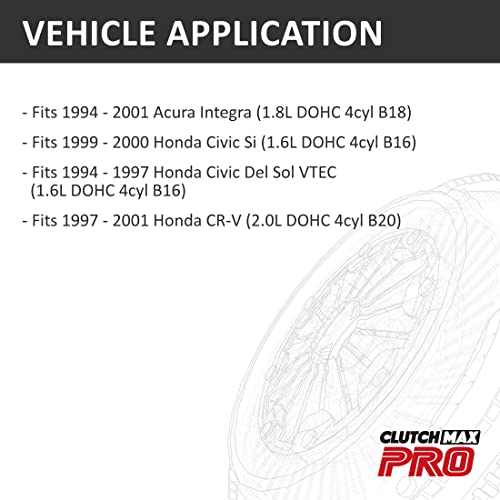
According to the supplied CMPRO fitment information, this clutch kit is designed for the following applications:
| Make | Model | Years | Engine |
|---|---|---|---|
| Acura | Integra | 1994–2001 | 1.8L DOHC B18 |
| Honda | Civic Si | 1999–2000 | 1.6L DOHC B16 |
| Honda | Civic Del Sol VTEC | 1994–1997 | 1.6L DOHC B16 |
| Honda | CR-V | 1997–2001 | 2.0L DOHC B20 |
These applications cover several of Honda’s best-known B-series platforms, but fitment should still be verified against the exact vehicle and transmission before installation.
1994–2001 Acura Integra B18
The supplied fitment includes:
1994–2001 Acura Integra with 1.8L DOHC B18 engines.
The third-generation Integra is one of the most common platforms associated with Honda B-series performance builds.
However, “B18” represents an engine family rather than one single engine specification.
Depending on year and model, Integra applications can include different B18 variants and transmissions.
For that reason, confirm the:
- Exact Integra model
- Model year
- Engine
- Transmission
- Input-shaft spline
- Flywheel configuration
before ordering.
1999–2000 Honda Civic Si B16
CMPRO lists this kit for the:
1999–2000 Honda Civic Si with the 1.6L DOHC B16.
In the U.S. market, the EM1 Civic Si used the high-revving B16A2 and a manual transmission, making it one of the most recognizable factory B-series Civic combinations.
For modified or swapped cars, verify the transmission rather than relying on the engine alone.
1994–1997 Honda Civic Del Sol VTEC B16
The supplied application list includes:
1994–1997 Honda Civic Del Sol VTEC with 1.6L DOHC B16.
The key word here is:
VTEC.
This should not automatically be interpreted as fitment for every Del Sol produced during those years.
Honda offered the Del Sol with different engine and drivetrain combinations.
Confirm that the vehicle matches the specified B16/manual-transmission application.
1997–2001 Honda CR-V B20
CMPRO also lists:
1997–2001 Honda CR-V with 2.0L DOHC B20
applications.
This is particularly interesting because first-generation CR-V B20 engines and transmissions have long been part of the broader Honda B-series parts ecosystem.
However, CR-V drivetrain configurations can differ substantially from Civic and Integra combinations.
Verify the exact manual-transmission application before ordering.
What Comes in the CMPRO Stage 2 Kit?
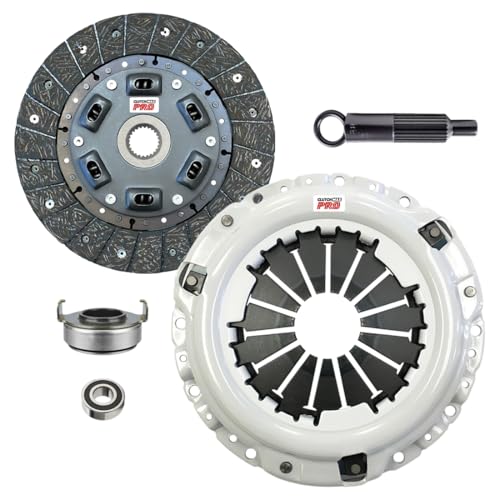
According to the manufacturer-supplied package information, the kit includes:
- Performance HD pressure plate
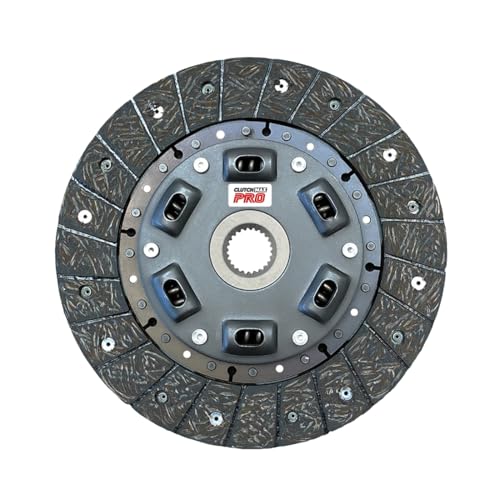
- Stage 2 carbon/Kevlar-infused clutch disc
- Release bearing
- Pilot bearing
- Alignment tool/installation guide where supplied
This gives the installer the major clutch-service components needed during replacement.
Always inspect the actual package contents before disassembling the vehicle.
Stage 2 Carbon/Kevlar-Infused Clutch Disc
The centerpiece of the kit is its:
carbon/Kevlar-infused friction disc.
CMPRO positions this material above its basic replacement clutch offerings for increased torque capacity while retaining enough drivability for street-oriented vehicles.
That makes the clutch relevant to builds involving modifications such as:
- Intake and exhaust upgrades
- ECU tuning
- Engine modifications
- Mild naturally aspirated builds
- Moderate forced-induction setups
- Street/track combinations
The actual clutch requirement should always be determined by torque, not simply by a list of installed modifications.
297 HP / 268 LB-FT Rating
CMPRO advertises this clutch at:
297 horsepower
and:
268 lb-ft of torque.
The torque figure is particularly important.
A clutch’s primary job is transferring engine torque through the drivetrain without slipping.
A build producing high torque at relatively low horsepower can therefore place greater demands on a clutch than horsepower alone suggests.
For modified vehicles, compare the manufacturer’s torque rating against the engine’s expected output and intended use.
Don’t Choose a Clutch by Horsepower Alone
Horsepower gets the attention.
Torque makes the clutch work.
Clutch selection should account for:
- Peak torque
- Engine modifications
- Vehicle weight
- Tire grip
- Driving style
- Launch frequency
- Track use
- Forced induction
- Drivetrain configuration
A clutch that survives casual highway pulls may have a very different life when subjected to repeated hard launches on sticky tires.
Designed for Performance Street Use
CMPRO describes this Stage 2 package as suitable for:
- Daily driving
- Performance street driving
- Moderate track use
That places it in a useful middle ground.
A stock replacement clutch prioritizes smooth engagement and factory-like operation.
A much more aggressive racing clutch may sacrifice:
- Engagement smoothness
- Pedal comfort
- Noise
- Low-speed drivability
A Stage 2 design attempts to increase torque capacity without moving completely into race-clutch territory.
What Does Stage 2 Actually Mean?
There is no universal industry standard defining:
Stage 2 clutch.
One manufacturer’s Stage 2 can be substantially different from another manufacturer’s Stage 2.
The useful specifications are the actual:
- Friction material
- Disc construction
- Pressure plate
- Torque capacity
- Spline dimensions
- Intended usage
Therefore, don’t choose this clutch simply because your engine is a “Stage 2 build.”
Choose it because its specifications match the drivetrain.
8-5/8-Inch Disc
The supplied clutch-disc specification is:
8-5/8 inches in diameter.
Disc diameter affects the clutch’s friction area and mechanical characteristics.
However, diameter alone does not establish compatibility.
The flywheel, pressure plate and transmission input shaft must all correspond to the intended application.
1-1/16-Inch 24-Spline Hub
CMPRO specifies the disc hub as:
1-1/16″ × 24 spline.
This is one of the most important fitment specifications on the entire product.
The clutch-disc hub must correctly engage the transmission input shaft.
An incorrect spline count or shaft diameter means the clutch will not install correctly regardless of whether the engine is a B16, B18 or B20.
B-Series Engine Does Not Automatically Mean B-Series Clutch Fitment
Honda enthusiasts have spent decades swapping B-series engines and transmissions between chassis.
That’s exactly why application verification matters.
A car might currently contain:
- B16 engine
- B18 engine
- B20 bottom end
- B-series VTEC cylinder head
- Different B-series transmission
- Aftermarket flywheel
- Engine/transmission swap combination
The VIN may no longer tell you what is actually installed.
For modified Hondas, verify the physical drivetrain components.
Important Information for B-Series Swaps
If this clutch is being purchased for a swapped vehicle, identify the:
transmission first.
For example, simply saying:
“I have a B20-swapped Civic”
is not enough information to guarantee clutch fitment.
Determine:
- Transmission code
- Input-shaft dimensions
- Spline count
- Flywheel configuration
- Pressure-plate compatibility
before ordering.
This can save a lot of frustration once the transmission is sitting on the garage floor.
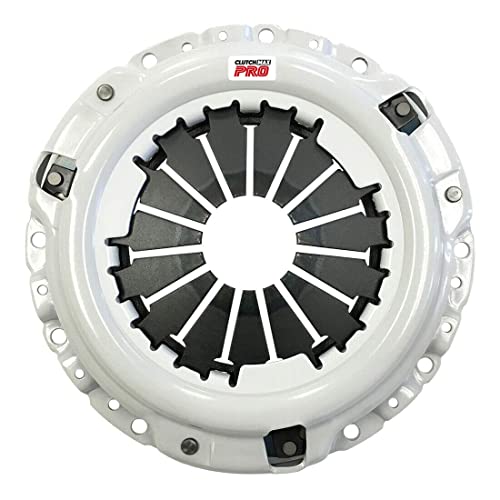
Performance HD Pressure Plate
The kit includes a:
Performance HD pressure plate.
The pressure plate clamps the clutch disc against the flywheel.
Increasing clamping capacity can help the clutch transfer additional torque.
However, pressure-plate design can also influence:
- Pedal effort
- Engagement characteristics
- Release behavior
Drivers moving from a worn factory clutch to a performance clutch should expect that engagement may feel different.
Release Bearing Included
CMPRO lists a release bearing as part of the kit.
The release bearing is responsible for transmitting clutch-fork movement into the pressure-plate release mechanism.
Because accessing the clutch requires transmission removal, replacing serviceable clutch-related bearings while everything is apart is generally preferable to reusing questionable old components.
Pilot Bearing Included
The supplied package also lists a:
pilot bearing.
Verify whether the specific engine/transmission combination uses the supplied component and follow the appropriate Honda/Acura service procedure during installation.
Inspect the Flywheel
Installing a new clutch against a damaged flywheel can compromise performance.
Inspect the flywheel for:
- Heat checking
- Hot spots
- Cracks
- Grooves
- Uneven wear
- Excessive surface damage
The flywheel should be resurfaced or replaced according to the applicable specifications and clutch manufacturer’s requirements.
Don’t install a fresh performance clutch against a flywheel that looks like it spent last weekend trying to become a brake rotor.
Inspect the Rear Main Seal
Transmission removal provides access to an area that normally requires substantial labor to reach.
Inspect for engine-oil leakage around the rear of the engine.
Oil contamination can damage clutch friction material and lead to:
- Slipping
- Chatter
- Poor engagement
If there is an active leak, address it before installing the new clutch.
Check Transmission Input-Shaft Seals
Transmission-fluid leakage can also contaminate the clutch.
Inspect the transmission for evidence of leaks before assembly.
Installing new friction material without fixing the source of contamination can turn a clutch replacement into a second clutch replacement.
Inspect the Clutch Fork and Related Hardware
Check the clutch-release mechanism for:
- Excessive wear
- Cracks
- Binding
- Damaged pivot points
- Improper lubrication
The clutch is a system.
A new disc and pressure plate cannot compensate for damaged release hardware.
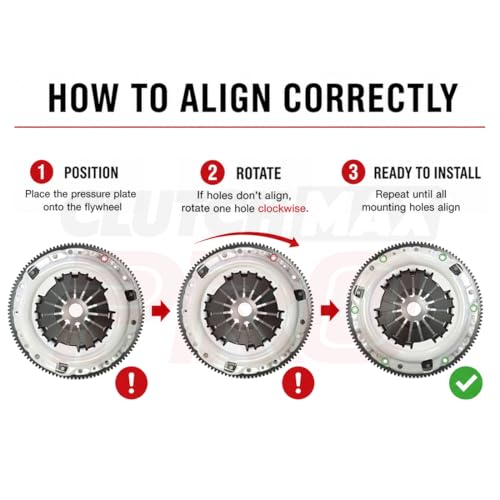
Clutch Alignment Matters
The clutch disc must be centered correctly during installation.
If the disc is significantly misaligned, the transmission input shaft may not pass through the disc and pilot location during reinstallation.
Use the supplied or appropriate alignment tool before tightening the pressure plate.
Follow the Correct Torque Sequence
Pressure-plate bolts should be tightened:
- Gradually
- Evenly
- In the correct sequence
- To the applicable torque specification
Do not simply tighten one bolt completely while the others remain loose.
Uneven installation can create problems with pressure-plate seating.
Use the appropriate service information for the exact vehicle and drivetrain.
Cleanliness Is Critical
Clutch friction surfaces need to remain clean.
Avoid contaminating the disc with:
- Engine oil
- Transmission fluid
- Grease
- Dirty hands
- Penetrating oil
Clean the flywheel and pressure-plate friction surfaces with an appropriate residue-free cleaner before final assembly.
Clutch Break-In
Performance clutch manufacturers commonly specify a break-in procedure after installation.
Follow CMPRO’s current instructions for the exact kit.
A typical clutch break-in process involves moderate street driving with repeated normal engagement cycles rather than immediate:
- Hard launches
- Drag racing
- Dyno abuse
- Aggressive clutch dumping
The objective is to allow the friction surfaces to mate properly.
The exact procedure supplied with the clutch should take priority over a generic mileage recommendation.
Is This Clutch Good for a Turbo B-Series?
Potentially—but don’t answer that question with horsepower alone.
A turbocharged B16, B18 or B20 can produce radically different torque depending on:
- Turbocharger size
- Boost pressure
- Compression ratio
- Fuel
- Engine combination
- ECU calibration
Compare the engine’s expected torque output with CMPRO’s advertised:
268 lb-ft capacity.
Leave reasonable capacity for how the vehicle will actually be driven.
A clutch living behind a mild street turbo setup has a different job from one repeatedly launching a drag car.
Is It Good for a Naturally Aspirated B-Series?
The advertised capacity may make this Stage 2 kit relevant to many modified naturally aspirated B-series combinations.
Examples could include engines with:
- Intake upgrades
- Headers
- Exhaust systems
- Camshafts
- ECU tuning
- Increased compression
- Cylinder-head work
Again, select the clutch based on actual drivetrain requirements rather than modification labels.
Daily Driving a Stage 2 Clutch
CMPRO markets this kit as suitable for daily use.
Drivers should nevertheless expect a performance clutch to potentially feel different from a factory replacement.
Possible differences can include:
- Firmer engagement
- Different pedal feedback
- More noticeable engagement point
- Reduced tolerance for slipping the clutch
Actual behavior depends on the complete clutch and hydraulic system.
Don’t Forget the Hydraulic System
Many Honda/Acura clutch complaints are not caused by the clutch disc itself.
Inspect the:
- Clutch master cylinder
- Slave cylinder
- Hydraulic lines
- Fluid condition
- Pedal adjustment
- Clutch fork movement
Poor release caused by a hydraulic problem can be mistaken for an internal clutch failure.
Symptoms of a Worn Clutch
Common clutch problems include:
- Engine RPM rises without corresponding acceleration
- Slipping under heavy throttle
- Difficulty shifting
- Chatter during takeoff
- Abnormal release-bearing noise
- High engagement point
- Burning friction-material smell
Diagnosis should be completed before ordering parts.
Who Should Consider the CMPRO Stage 2 Kit?
This clutch is most relevant to drivers with compatible B-series Honda/Acura applications who want more performance capability than a basic stock replacement.
Potential applications include:
- Modified street Integra
- EM1 Civic Si
- Del Sol VTEC
- Manual B20 CR-V
- B-series project car
- Correctly configured B-series swap
- Naturally aspirated performance build
- Mild forced-induction street build
Fitment and torque requirements should be confirmed first.
Who Should Look at a Different Clutch?
A different clutch may make more sense if:
- The vehicle is completely stock and factory-like engagement is the highest priority
- The transmission uses a different input shaft
- The flywheel configuration is incompatible
- Engine torque exceeds the clutch’s rated capacity
- The car sees aggressive competition use
- The vehicle is an undocumented swap and drivetrain specifications are unknown
More clutch is not automatically better.
The correct clutch is the one matched to the application.
CMPRO / ClutchMaxPRO
ClutchMaxPRO markets performance and replacement clutch components for a range of import and domestic applications.
According to the supplied manufacturer information, ClutchMaxPRO states that its products are designed, engineered, assembled, tested and inspected in the United States and that the company draws on more than 20 years of clutch-industry experience.
Those statements should be understood as manufacturer claims rather than implying that every individual component is necessarily manufactured domestically.
Warranty
The supplied listing advertises a limited manufacturer warranty of:
12 months or 15,000 miles.
Warranty coverage can be subject to:
- Installation requirements
- Intended usage
- Product condition
- Proof of purchase
- Manufacturer exclusions
Check the current warranty terms before installation, particularly for modified or competition-driven vehicles.
Fitment Checklist
Before purchasing this CMPRO Stage 2 kit, verify:
Vehicle → Model Year → Engine → Transmission → Input Shaft → Flywheel
For a factory vehicle, use the exact application information.
For an engine-swapped vehicle, identify the components actually installed in the car.
Supplied Applications
1994–2001 Acura Integra — 1.8L DOHC B18
1999–2000 Honda Civic Si — 1.6L DOHC B16
1994–1997 Honda Civic Del Sol VTEC — 1.6L DOHC B16
1997–2001 Honda CR-V — 2.0L DOHC B20
Final Take
The CMPRO Stage 2 clutch occupies a useful position for Honda and Acura enthusiasts who have moved beyond a stock replacement but don’t necessarily need an aggressive competition clutch.
Its advertised:
297 HP / 268 lb-ft capacity
combined with the carbon/Kevlar-infused disc and HD pressure plate makes it particularly interesting for performance-oriented B16, B18 and B20 street builds.
The key is buying it for the correct drivetrain.
With Honda B-series cars now decades old—and engine and transmission swaps extremely common—never assume the engine code tells the entire story.
Check the transmission.
Check the spline.
Check the flywheel.
Then order the clutch.
That five-minute verification is much easier than discovering the wrong clutch after you’ve already removed the transmission.





There are no reviews yet.