
What Is the DPS6 Transmission?
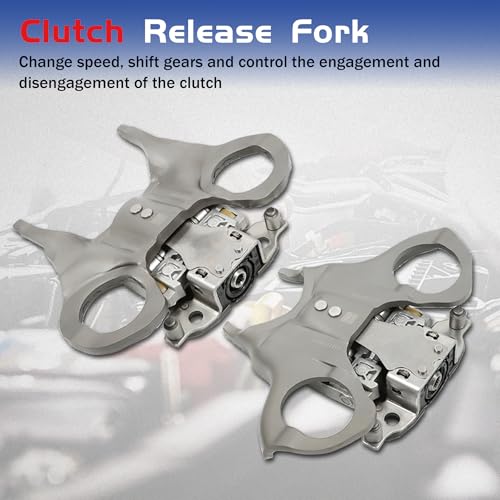
The Ford DPS6, also known as the Getrag 6DCT250, is a six-speed automated manual transmission with two dry clutches. One clutch handles alternating gears while the second handles the remaining gear set. Electric actuators operate the clutch forks under the control of the transmission control module.
It drives like an automatic from the cabin, but internally it functions more like a computer-operated manual transmission. That distinction matters when diagnosing shuddering, missed shifts or clutch engagement problems.
For more Ford drivetrain and repair information, visit the Pro Street Ford FAQ library or browse the complete Pro Street technical library.
What the Dual-Clutch Fork Assembly Does
The clutch forks transfer actuator movement to the dual-clutch assembly. This allows the transmission to engage or disengage each clutch as it selects the next gear.
A damaged, sticking or excessively worn fork can contribute to:
- Delayed clutch engagement
- Harsh or inconsistent gear changes
- Failure to select particular gears
- Transmission warning messages
- Grinding or mechanical noises
- Clutch actuator travel or position codes
- A vehicle that will not move despite selecting Drive or Reverse
These symptoms do not automatically prove that the forks are defective. The DPS6 also has known failure points involving the clutch assembly, actuators, input-shaft seals, wiring, battery voltage, transmission control module and adaptive calibration.
Replacement and Reference Numbers
This kit is advertised as a replacement or cross-reference for:
- 602000800
- 602 0008 00
- 6DCT250
- DPS6
- 7C601
Compare the number on the original assembly and confirm the transmission identification label before ordering. Do not use engine displacement alone to establish compatibility.
Package Contents
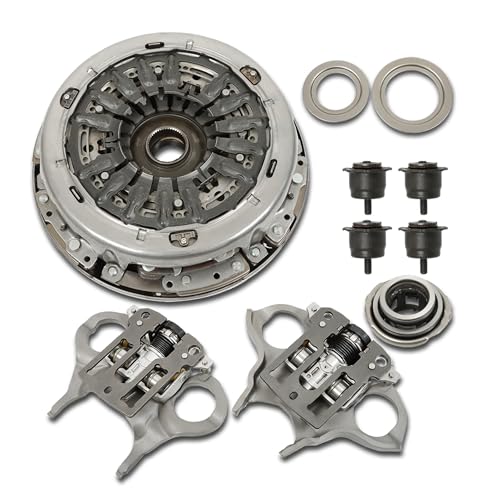
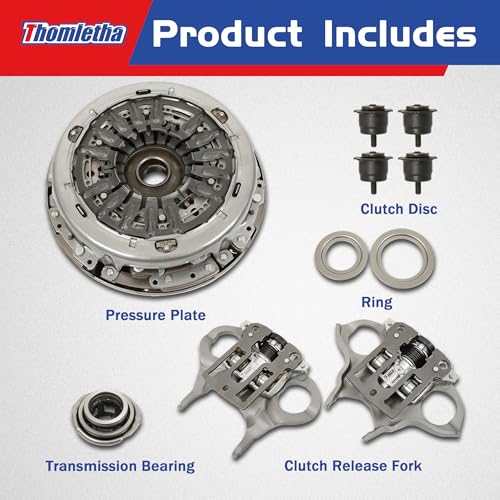
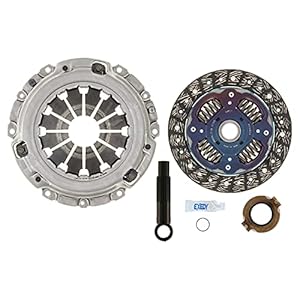
Package contents can vary between manufacturers. A complete version may include:
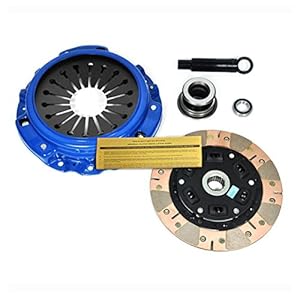
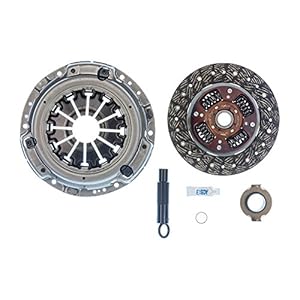
- Dual dry-clutch assembly
- Clutch engagement forks
- Release bearing or engagement bearing
- Retaining rings
- Installation hardware
Confirm the seller’s photographs and itemized contents. Unless specifically listed, assume that clutch actuators, input-shaft seals, transmission fluid, TCM components and dedicated installation tools are not included.
Diagnosis Before Installation
Replacing the entire clutch and fork assembly without first checking the rest of the system can turn an expensive repair into an expensive guessing contest.
Before ordering, a technician should:
- Scan the transmission control module for stored and pending trouble codes.
- Check battery voltage, grounds, wiring and actuator connectors.
- Review clutch actuator position and travel data.
- Inspect for input-shaft seal leakage or clutch contamination.
- Confirm the gearbox identification as DPS6 or 6DCT250.
- Determine whether the clutch, forks, actuators or TCM caused the complaint.
- Check for applicable software updates and service procedures.
Ford documentation confirms that certain DPS6 shudder complaints can involve clutch contamination caused by leaking input-shaft seals. It also calls for transmission adaptive learning after applicable repairs. See the Ford DPS6 service bulletin and the related Ford/NHTSA DPS6 program document.
Installation Requirements
This is not a conventional bolt-in driveway clutch replacement. Servicing the DPS6 generally requires:
- Transmission removal
- Dedicated dual-clutch removal and installation tools
- Fork resetting or locking tools
- Correct clutch-depth measurements
- Inspection of the input-shaft seals
- Proper fastener torque and installation sequence
- A compatible scan tool
- TCM clutch-touch-point and adaptive-learning procedures
The clutch and forks can be damaged if they are pressed, aligned or reset incorrectly. Professional installation by a technician familiar with Ford PowerShift transmissions is strongly recommended.
Do not use improvised installation instructions such as blindly tightening fasteners “one extra turn” to correct slippage. Clutch setup should follow the applicable Ford or Getrag service procedure.
Why Choose This Replacement Kit?
When correctly matched and installed, the kit can help restore clutch engagement and controlled gear changes in a DPS6 transmission with diagnosed mechanical clutch or fork wear.
Potential benefits include:
- Replacement-style fit for matched 6DCT250 applications
- High-strength metal construction
- Integrated repair of worn clutch and fork components
- More consistent clutch engagement
- Restoration of proper actuator-to-clutch movement
- Reduced need to source major internal components individually
Results depend on correct diagnosis. A new clutch assembly will not repair a defective actuator, failed TCM, damaged wiring or unresolved input-shaft seal leak.
Frequently Asked Questions
What years and models does this kit fit?
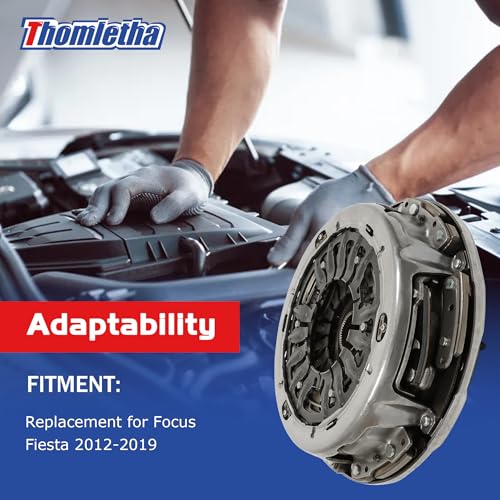
It is advertised for select 2011–2019 Ford Focus, 2012–2019 Ford Fiesta and B-Max, and 2013–2019 Ford EcoSport models equipped with the DPS6/6DCT250 transmission. North American Focus fitment is more commonly associated with the 2012–2018 model years, while B-Max and most EcoSport applications are market-specific.
Does it fit every Ford Focus or Fiesta?
No. It only fits vehicles equipped with the DPS6/6DCT250 six-speed dry dual-clutch transmission. It will not fit conventional manual transmissions, torque-converter automatics or other PowerShift gearbox families.
Will it fit a U.S.-market Ford EcoSport?
Do not assume that it will. Most U.S.-market EcoSport models used a different automatic transmission. EcoSport DPS6 listings generally relate to vehicles sold in other markets.
Does this kit include the clutch actuators?
Not necessarily. Verify the itemized package contents. Many clutch-and-fork kits do not include the external actuators or transmission control module.
Is programming required?
The physical components are not programmed, but the transmission normally requires a scan-tool clutch adaptive-learning or touch-point procedure after installation.
Can this kit fix transmission shudder?
It may correct shudder caused by a worn or contaminated clutch, provided the original cause is also repaired. It will not solve shudder caused by faulty actuators, electrical problems, software calibration or a failing control module.
Explore more repair information at My Pro Street Online or shop automotive replacement and performance parts through Pro Street Online.









There are no reviews yet.