
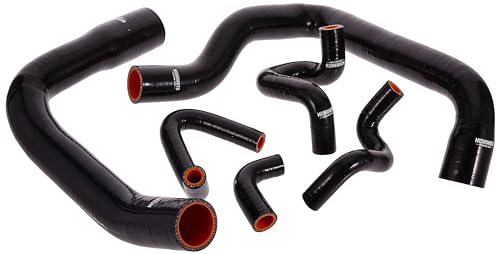
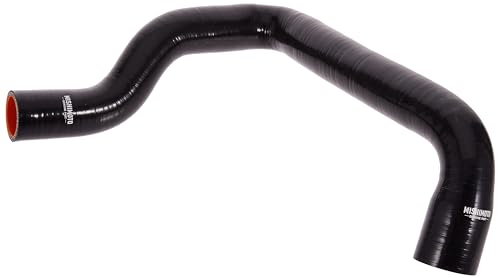
Product Features
- Compatible with 1986–1993 Ford Mustang GT and Cobra
- Designed for Fox-body Mustang cooling systems
- Direct replacement for factory radiator hoses
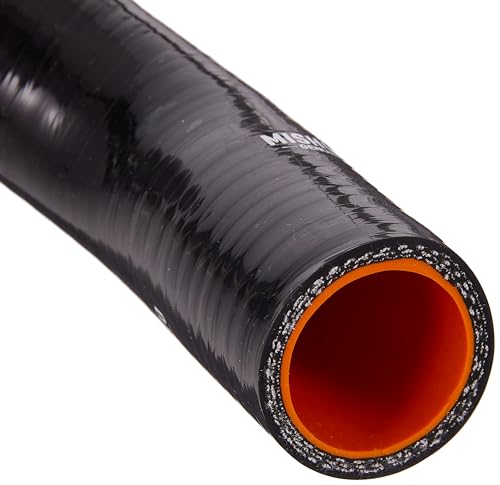
- High-grade reinforced silicone construction
- Embedded heat-resistant fibers
- Maximum temperature rating of 330°F
- Increased heat and pressure tolerance
- Factory-style black finish
- Suitable for restoration and performance applications
- Backed by the Mishimoto Lifetime Warranty
Vehicle Fitment
Make: Ford
Model: Mustang
Trims: GT and Cobra
Model years: 1986–1993
Color: Black
Manufacturer part number: MMHOSE-MUS-86BK
Fitment should be verified using the vehicle’s model year, engine configuration and manufacturer part number before ordering. Modified cooling systems, aftermarket radiators and engine swaps may require different routing or additional components.
Installation Notes
Never remove a radiator cap or coolant hose while the engine is hot. A pressurized cooling system can release boiling coolant without politely checking whether you’re ready.
For installation:
- Allow the engine to cool completely.
- Drain the coolant into a suitable container.
- Remove the original upper and lower radiator hoses.
- Clean and inspect every hose connection.
- Check the radiator necks, thermostat housing and water-pump inlet for corrosion or damage.
- Install the Mishimoto hoses without twisting or stretching them.
- Position each clamp behind the raised bead on its fitting.
- Refill the cooling system with the correct coolant mixture.
- Bleed trapped air following the appropriate service procedure.
- Check for leaks after the engine reaches operating temperature.
Recheck the coolant level and clamp tension after the engine cools and again after several complete heat cycles.
Why Replace Fox-Body Mustang Radiator Hoses?
Coolant hoses deteriorate from the inside as well as the outside. A hose may appear acceptable while its inner lining softens, separates or begins restricting coolant flow.
Replacement should be considered if the existing hoses show:
- Cracks near the connections
- Swelling or ballooning
- Oil contamination
- Coolant seepage
- Soft or unusually hard sections
- Abrasion damage
- Internal collapse
- Unknown age or service history
Replacing questionable hoses is inexpensive compared with overheating a small-block Ford because a 35-year-old piece of rubber finally completed its retirement paperwork.



There are no reviews yet.